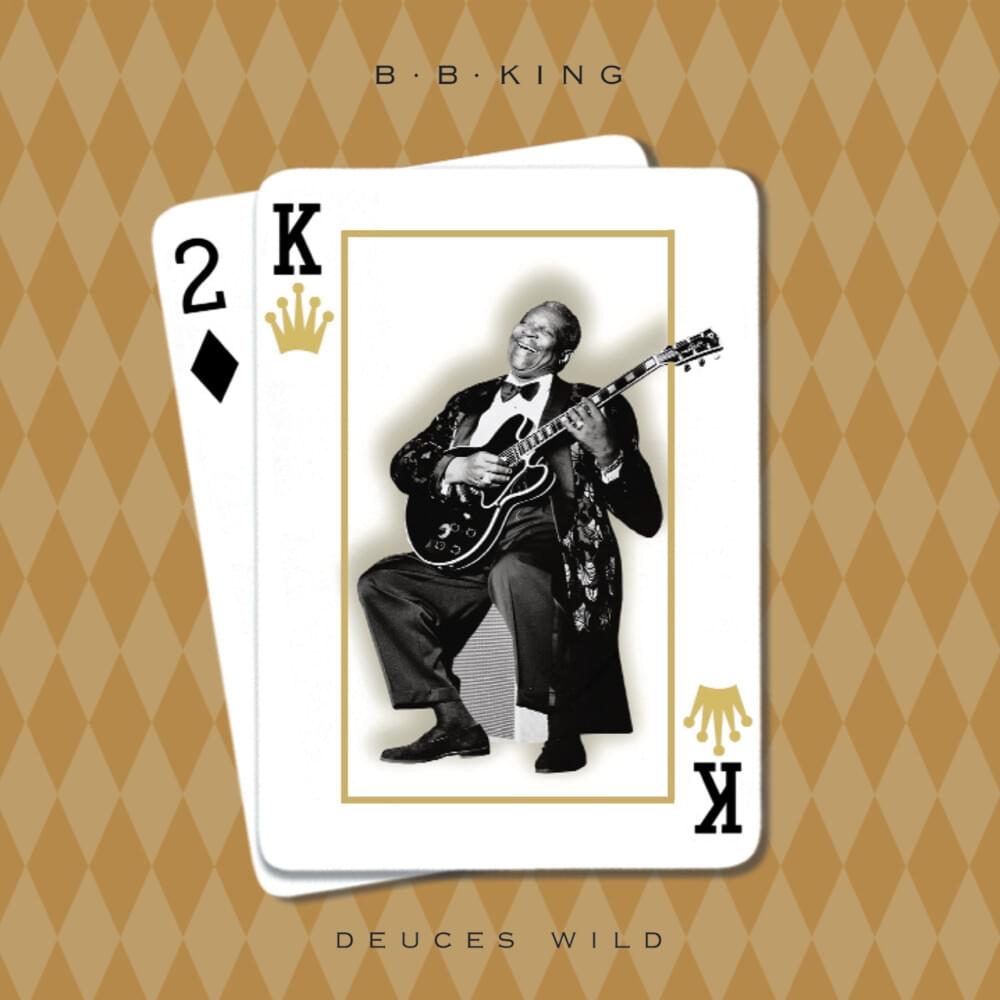
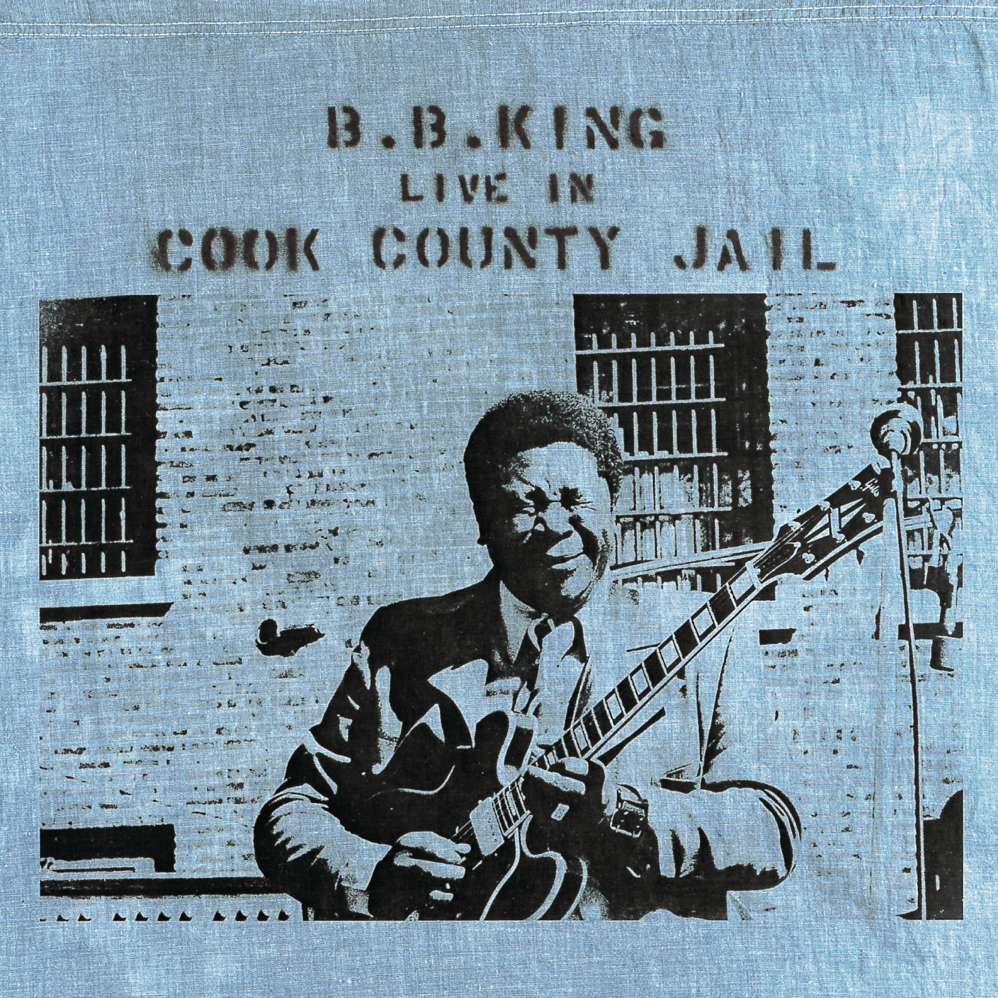
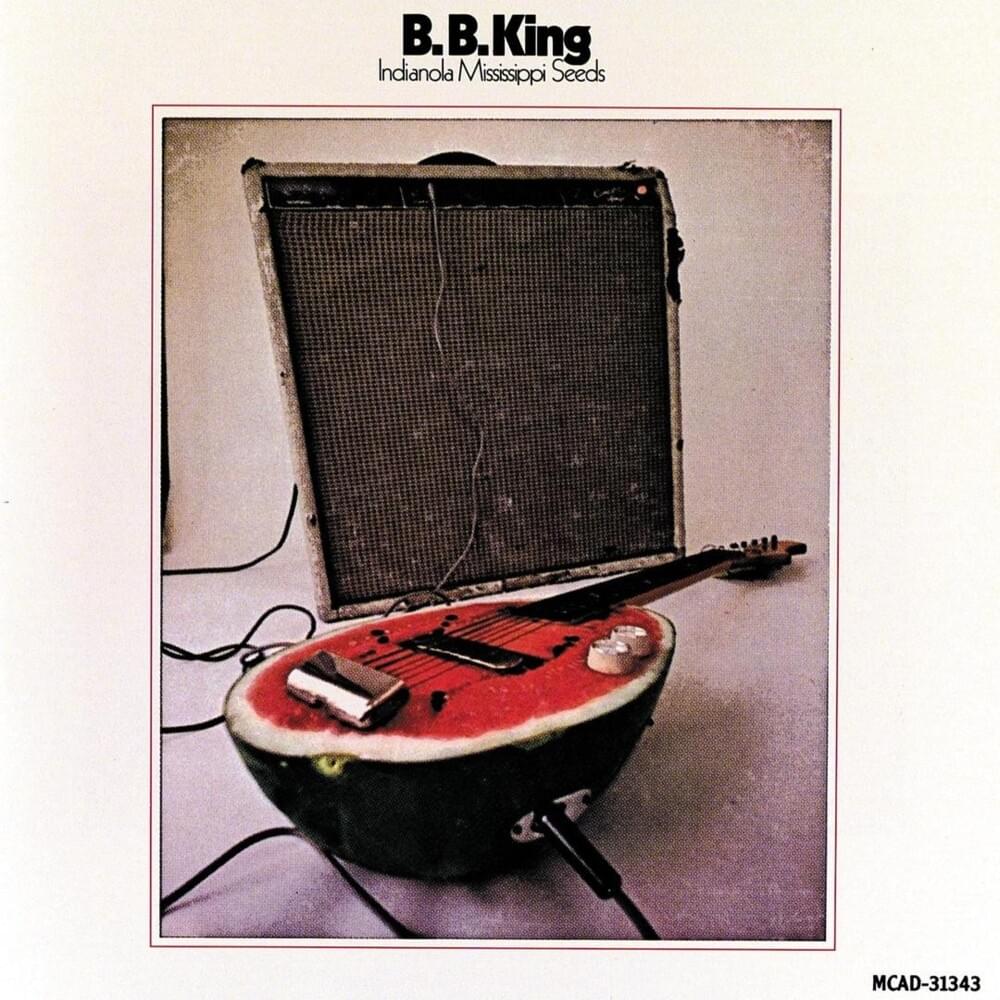
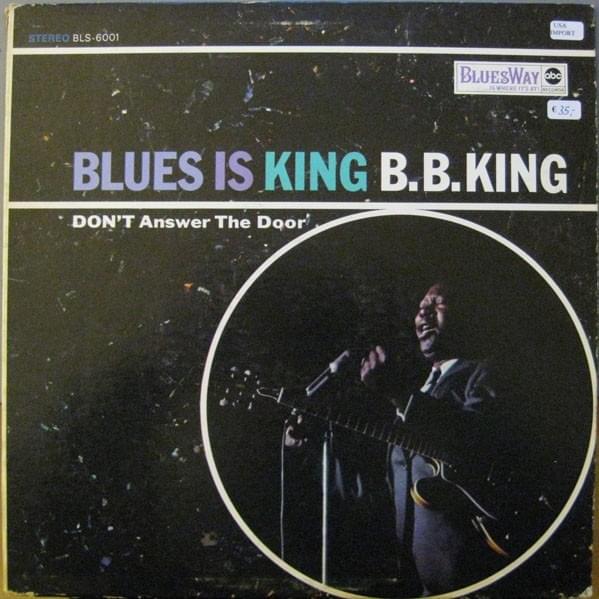
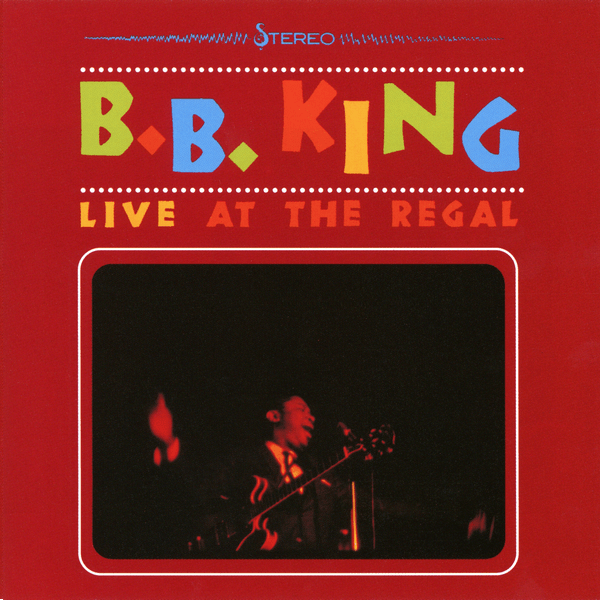
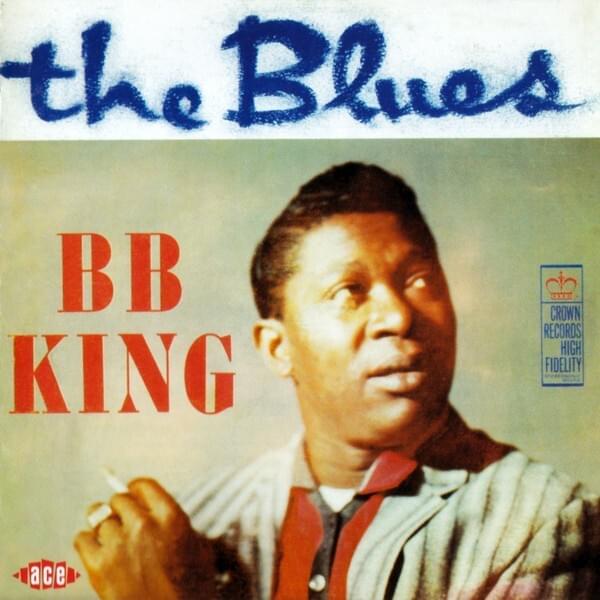
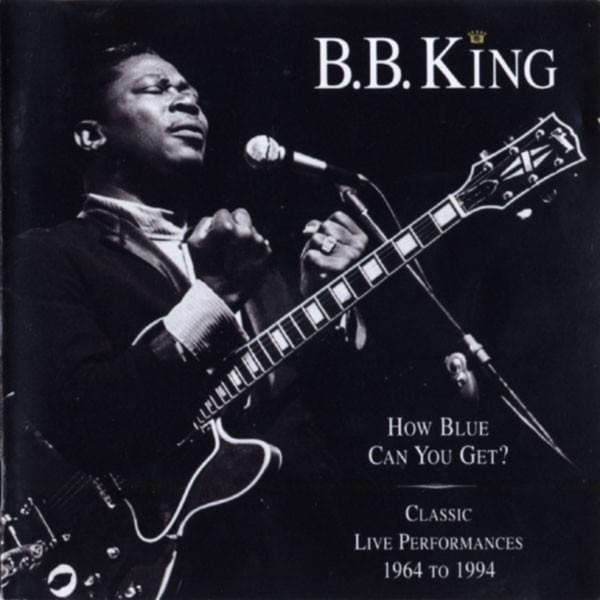
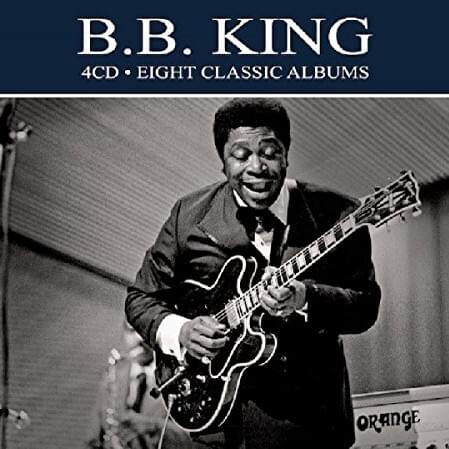
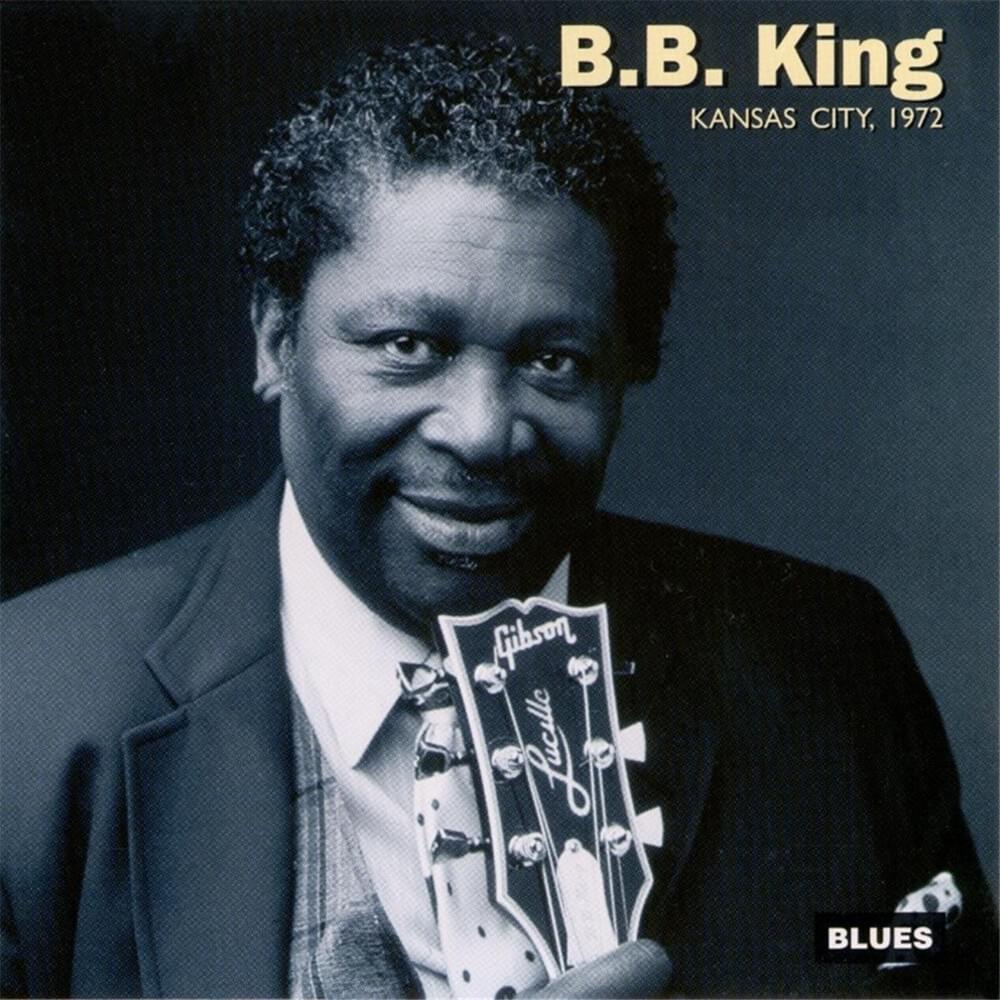
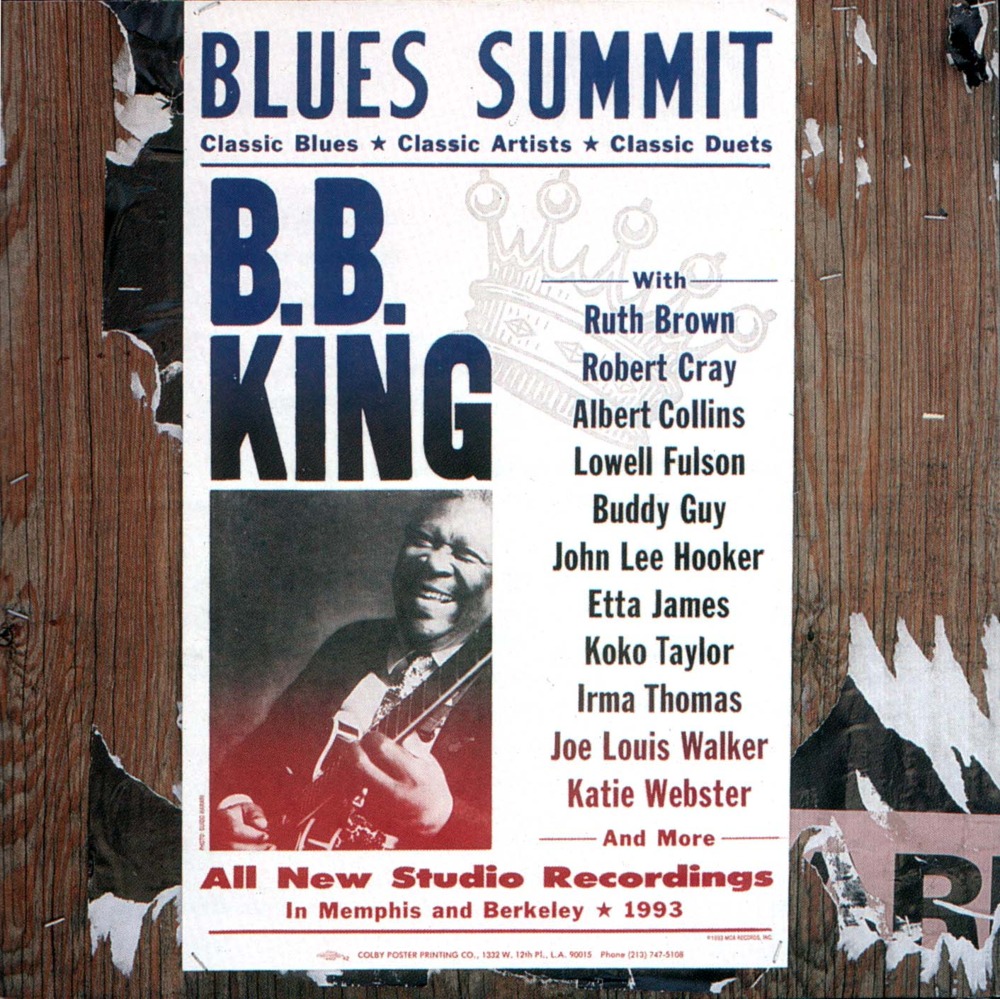
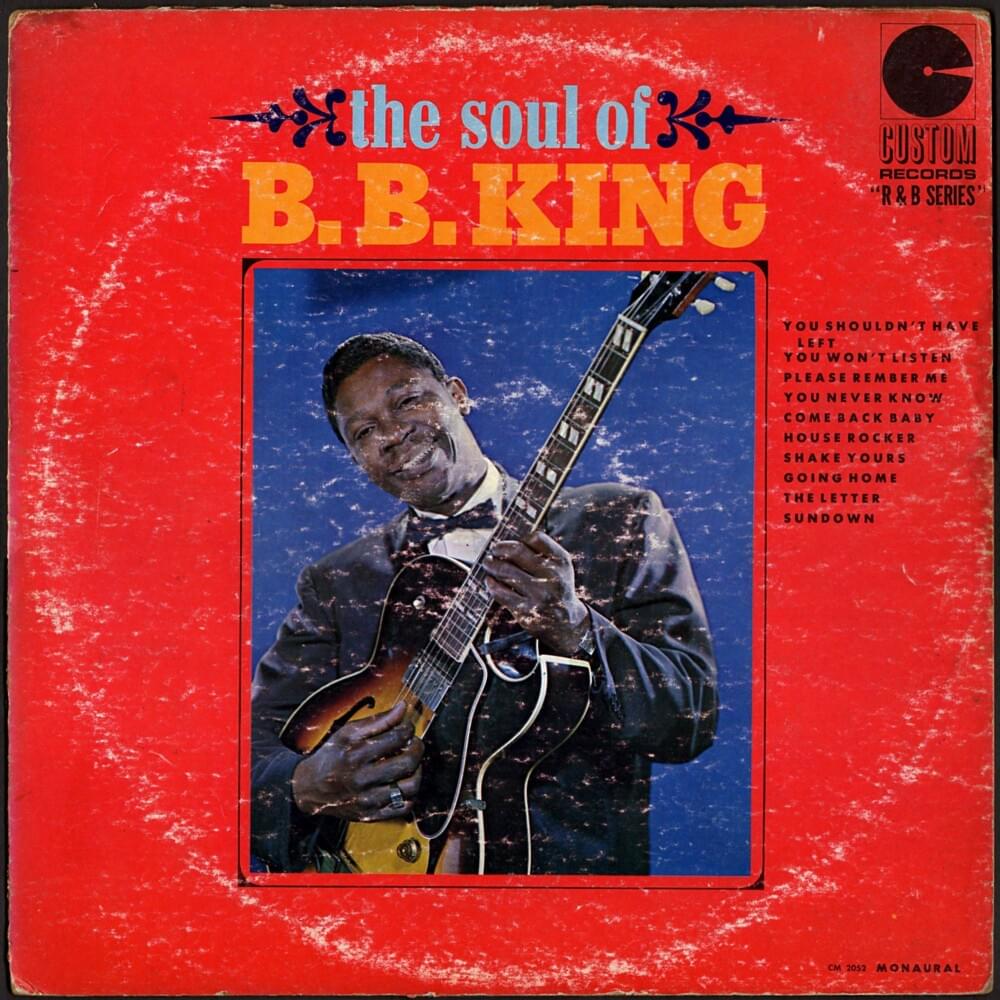
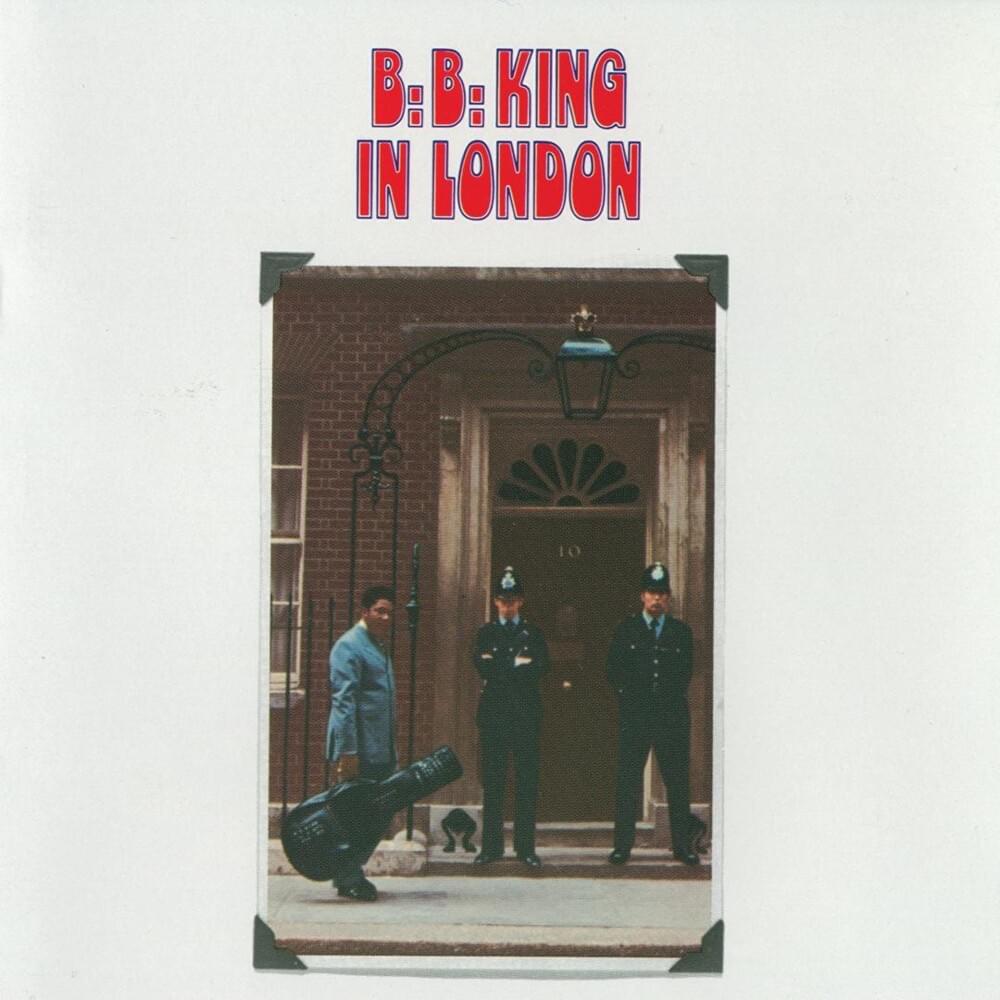
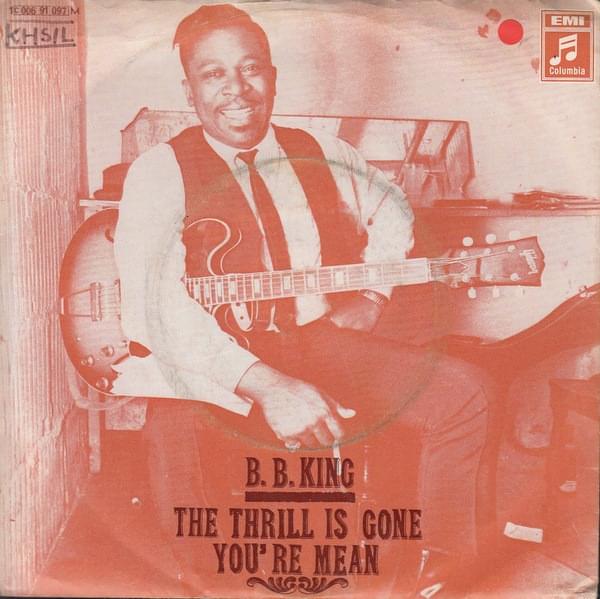
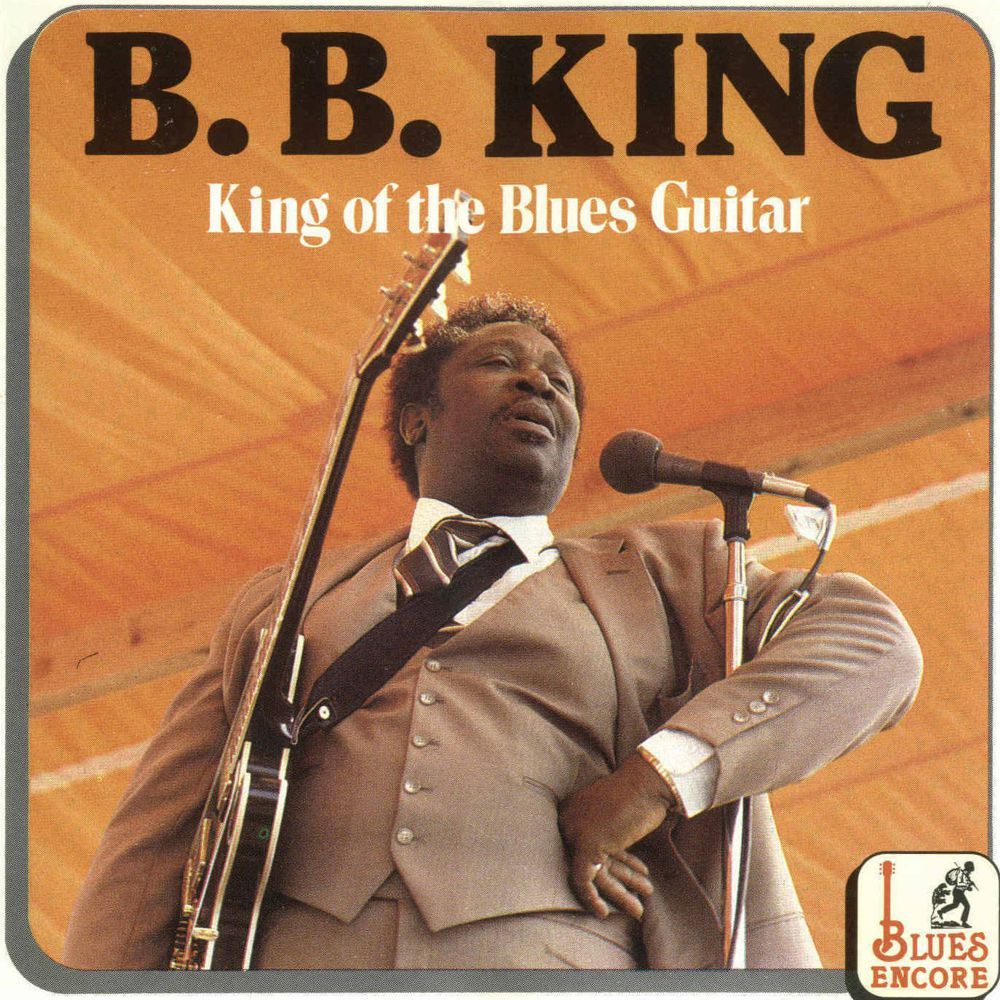
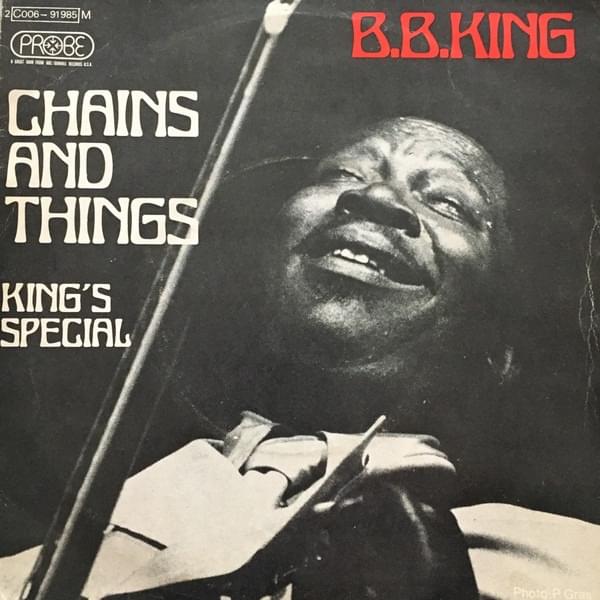
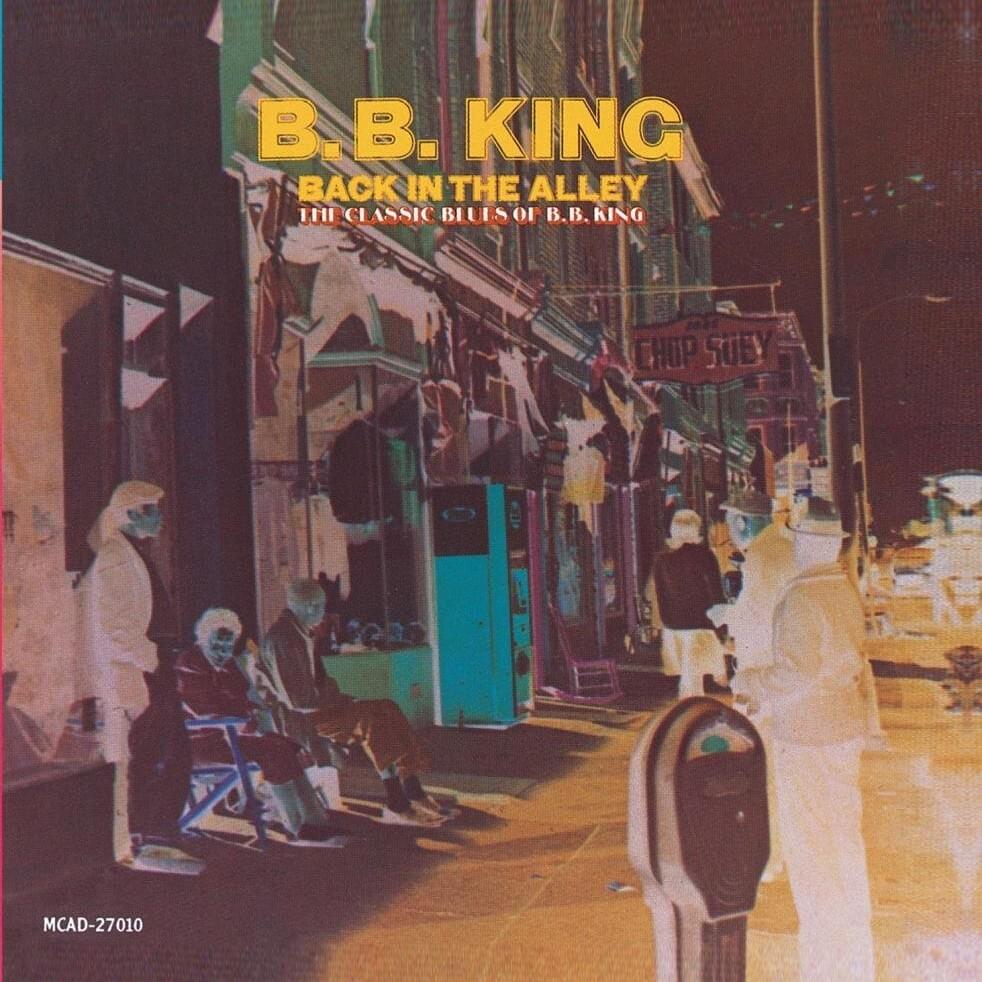
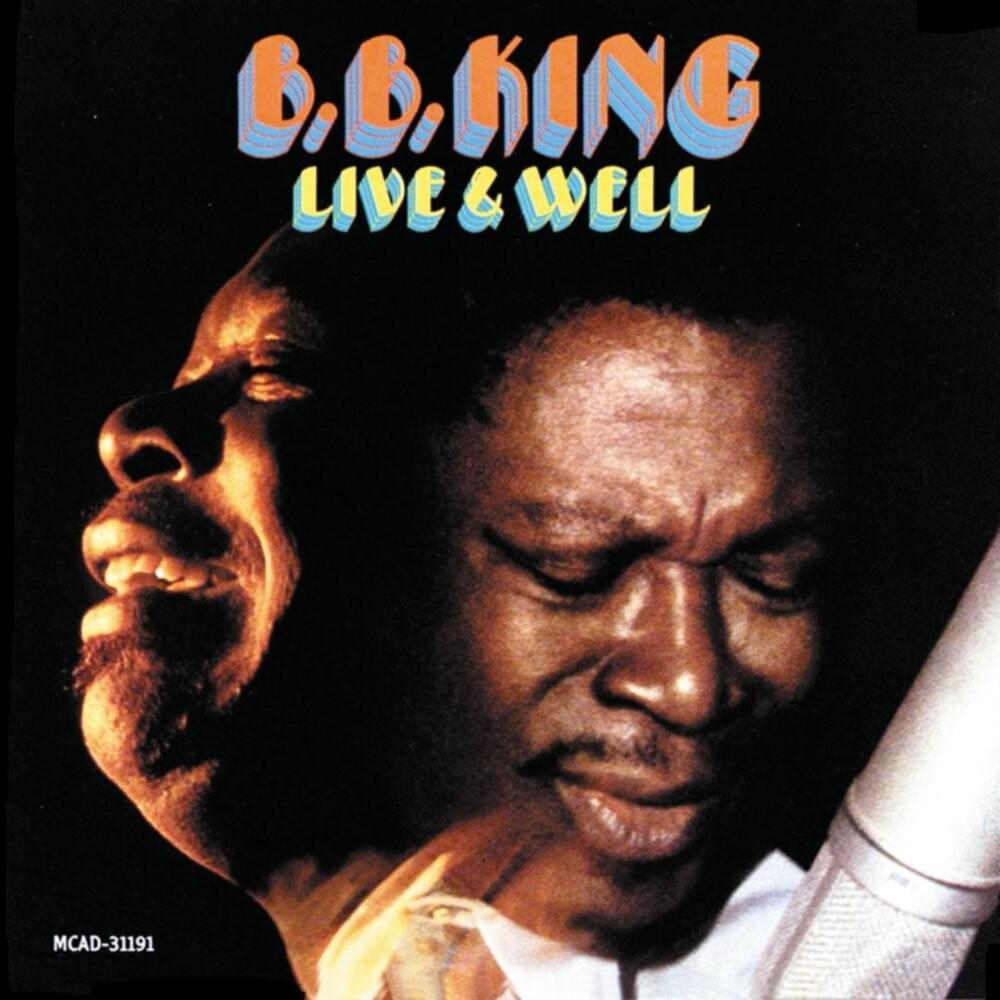
Riley B. King, the man the world knows as B.B. King, wasn't just a blues musician; he was an institution. Born in Itta Bena, Mississippi, in 1925, King's journey from the cotton fields to global stages is a testament to the power of music, resilience, and a whole lot of soul. His signature guitar, Lucille, wasn't just an instrument; it was an extension of his voice, wailing and whispering the stories of heartbreak, hardship, and hope that defined the blues. While some might debate whether he truly fits neatly into the "Pop" genre, B.B. King’s influence permeated popular music, shaping generations of guitarists and singers across genres. His impact is undeniable.
King's early life was steeped in the sounds of the church and the Delta blues. He honed his skills playing on street corners and in juke joints, absorbing the raw emotion and authenticity that would become his trademark. His move to Memphis in the late 1940s marked a turning point, as he began to carve out a name for himself on Beale Street, earning the nickname “Beale Street Blues Boy,” which was eventually shortened to B.B. King.
It was in Memphis where his recording career began. Early singles struggled to gain traction, but the release of "3 O'Clock Blues" in 1951 catapulted him to national fame. This mournful, slow-burning blues standard established King as a force to be reckoned with, showcasing his distinctive vibrato, soulful vocals, and the lyrical storytelling that would become his signature. Throughout the 1950s and 60s, King relentlessly toured and recorded, solidifying his status as one of the most important blues artists of his time.
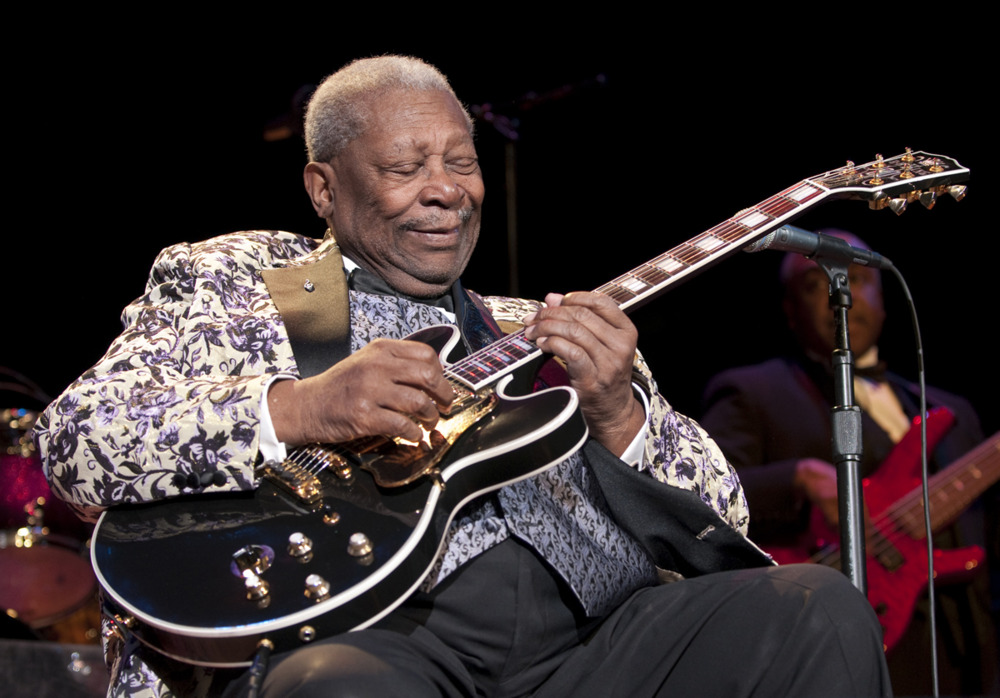
King’s appeal transcended racial boundaries and generational divides. He crossed over into the mainstream, performing at major venues and collaborating with rock and pop artists. His performance style, characterized by his expressive guitar playing and engaging stage presence, captivated audiences worldwide. The raw emotion poured into songs like "Bad Luck" resonated deeply with listeners. His ability to connect with audiences on a deeply personal level is what cemented his legacy as one of the greatest performers of all time.
Even late in his career, King continued to tour and record, releasing albums that showcased his enduring talent and unwavering passion for the blues. He was a tireless ambassador for the genre, introducing new generations to the power and beauty of the blues. Tracks like "Ten Long Years" are a testament to the timeless nature of his craft. B.B. King passed away in 2015, leaving behind a vast and influential body of work. His music continues to inspire and uplift, ensuring that the blues, and the King himself, will reign forever. The poignant sounds of "Gambler's Blues" will forever echo as a reminder of his influence. King’s impact on music is undeniable, and his legacy is secure in the annals of music history. He made you feel like you "You Don't Know" what love is until you hear the blues.