Song Meaning
B.B. King's "Ten Long Years" isn't just a blues lament; it's a masterclass in portraying the gut-wrenching aftermath of love's erosion. The opening verses paint a picture of idyllic domesticity. His woman wasn't just a partner; she was a caregiver, a source of daily comfort. The repetition emphasizes the depth of his initial satisfaction, hammering home the contrast with his present desolation. It’s the kind of intimacy that becomes woven into the fabric of one's being, making its absence all the more brutal. The lyrics drip with the ache of shattered routine, the ghost of breakfast-in-bed lingering like a phantom limb.
The line "for ten long years, she was my pride and joy" is deceptively simple. The length of time serves a crucial function. A brief affair ending is a sting; a decade dissolving is a fundamental restructuring of identity. The childlike intimacy—"I used to call her my little girl, and she used to call me her little boy"—hints at a relationship built on mutual adoration and perhaps a touch of co-dependency. It's a bond that transcends mere romance, suggesting a deep-seated emotional reliance that crumbles when the partnership ends. The guitar solo acts as a conduit for the unspeakable grief, a raw outpouring of emotion that words can't capture.
The final verse is stark in its simplicity: "it's all over baby...I'm all alone." The bluntness is the point. There's no elaborate metaphor, no flowery language, just the cold, hard reality of abandonment. The reason he sings these blues? His baby's gone. The statement is delivered with a quiet resignation, not rage or bitterness. "Ten Long Years" captures the quiet devastation that follows not just a breakup, but the slow, agonizing death of a love that once defined a life. It's a blues standard because it distills heartbreak to its most fundamental, universally relatable core.
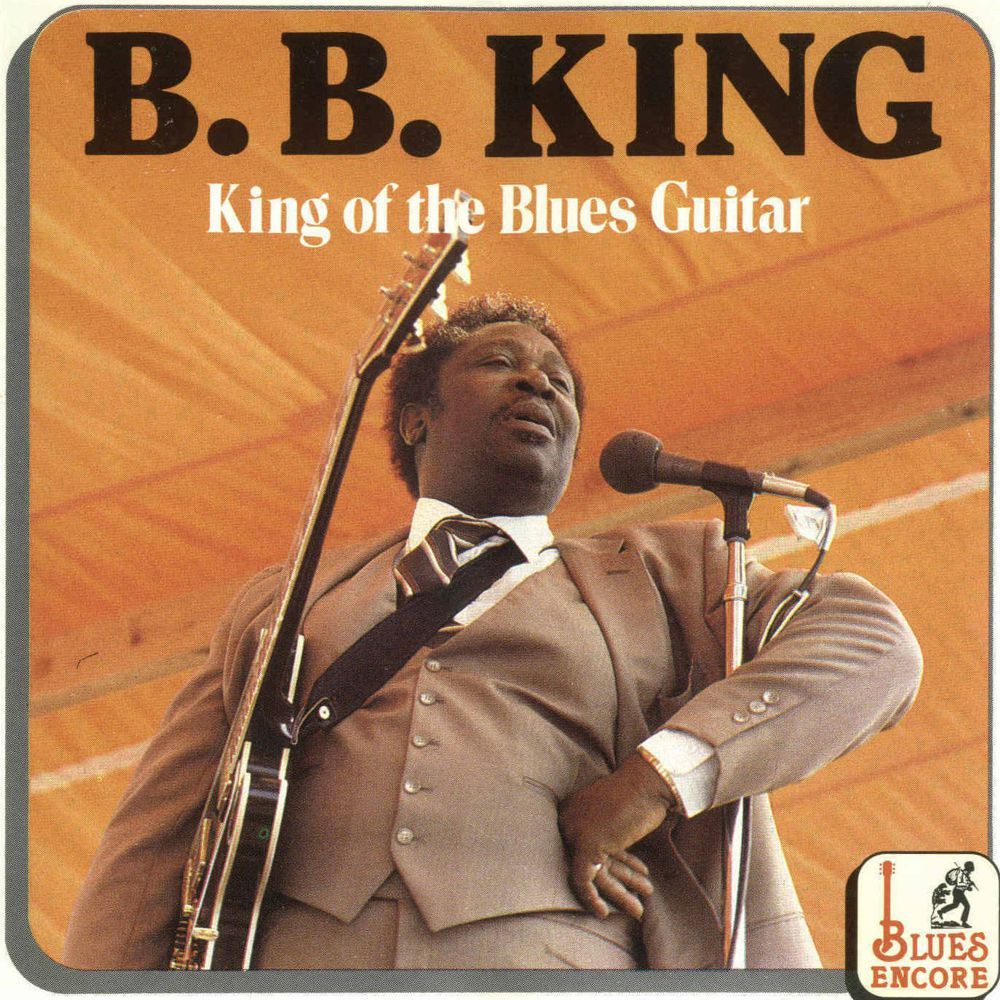
 View Artist