
Advertisement
Pink Floyd
1 Listeners
Artist Bio
Pink Floyd: Still Echoing Through Generations
Introduction & Current Status
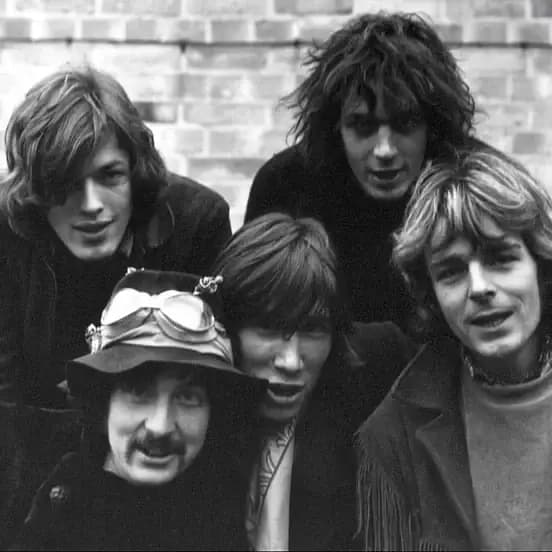
Pink Floyd. Just the name conjures up images of swirling colors, complex soundscapes, and a sense of cosmic wonder. While the band, in its classic lineup, may be long gone, their music remains a cornerstone of rock history. Their influence permeates modern music from indie rock to electronic sound design.
Pink Floyd's albums continue to sell and stream in massive numbers. Their music's timeless appeal ensures they'll remain relevant for generations to come. They proved that music can be both commercially successful and deeply artistic. Not a bad legacy, right?
Early Life & Background
The story begins in post-war Britain, where founding members Syd Barrett and Roger Waters met as children in Cambridge. Their shared experiences fueled a creative partnership that would change the landscape of music. Cambridge, a university town, provided an intellectual atmosphere that nurtured their artistic ambitions.
Waters' father, a schoolteacher, died during World War II, a trauma that deeply affected him and would later influence his songwriting. Barrett, a charismatic and eccentric figure, showed early promise as a painter and musician. These early experiences shaped the band's distinctive sound and lyrical themes.
Career Beginnings
Pink Floyd's early days were rooted in the London underground scene of the mid-1960s. They experimented with psychedelic sounds and light shows. Their performances at venues like the UFO Club quickly gained them a dedicated following. The band's name itself was derived from two blues musicians, Pink Anderson and Floyd Council.
Their debut album, "The Piper at the Gates of Dawn" (1967), captured the essence of the psychedelic era. It was driven by Barrett's whimsical songwriting and experimental guitar work. However, Barrett's mental health deteriorated, leading to his departure from the band in 1968. This pivotal moment forced Pink Floyd to reinvent themselves.
David Gilmour joined the band in 1967, initially to support Barrett, but soon became a key creative force. This transition marked a shift in Pink Floyd's sound, moving away from pure psychedelia towards a more progressive and conceptual direction. The band persevered, finding new ways to explore their musical vision.
Major Albums & Discography
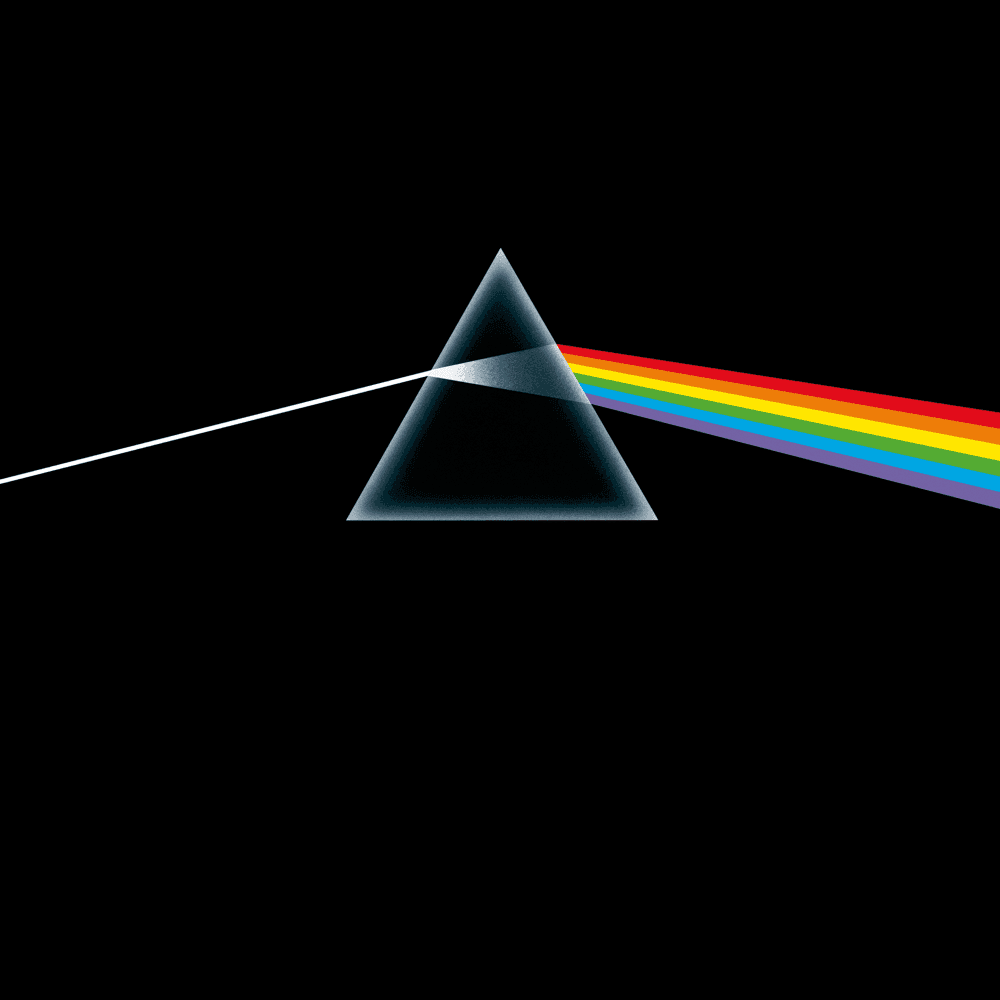
Pink Floyd's discography is a journey through progressive rock, conceptual art, and sonic innovation. Each album represents a distinct chapter in their evolution. "Dark Side of the Moon" (1973) catapulted them to global superstardom with its themes of madness, mortality, and societal pressures.
"Wish You Were Here" (1975) served as a poignant tribute to Syd Barrett and a critique of the music industry. The title track, Wish You Were Here, remains one of their most beloved songs. "Animals" (1977) took a darker turn, using animal allegories to comment on social and political issues.
"The Wall" (1979), a rock opera exploring themes of isolation and alienation, became another massive success. The album spawned the hit single Comfortably Numb. The album's ambitious scope and theatrical presentation solidified Pink Floyd's status as a groundbreaking artistic force.
Hit Songs & Signature Tracks
Pink Floyd's catalog is filled with iconic songs that have become staples of rock radio. Wish You Were Here is an anthem of longing and connection. Its simple yet profound lyrics resonate with listeners on a deeply personal level. The song's acoustic arrangement and Gilmour's emotive vocals create a timeless quality.
Comfortably Numb, with its soaring guitar solo and haunting atmosphere, is a masterpiece of sonic storytelling. The song's lyrics explore themes of detachment and emotional numbness. Wish You Were Here is another track that showcases the band's ability to create emotionally resonant music. Wish You Were Here.
Wish You Were Here, Wish You Were Here, and Wish You Were Here have all earned their place as essential tracks in rock history. Their songs are more than just music. They're experiences.
Got To Live, Wish You Were Here, and Treasure continue to inspire and captivate audiences worldwide. These songs have cemented their legacy as one of the most important and influential bands of all time. The band's ability to connect with listeners on a deep emotional level is a testament to their artistry.
Collaborations & Features
While Pink Floyd primarily operated as a self-contained unit, they did engage in some notable collaborations. Session musicians often contributed to their albums, adding layers of texture and complexity to their sound. The band's focus remained on their internal creative dynamic.
Their work with film directors like Adrian Maben, who directed "Pink Floyd at Pompeii", expanded their artistic reach. This film captured the band performing live in the ancient Roman amphitheater, creating a visually stunning and sonically immersive experience. This collaboration further solidified their reputation as innovators in both music and visual arts.
Awards & Achievements
Pink Floyd's impact on music is undeniable, resulting in numerous awards and accolades. "Dark Side of the Moon" remains one of the best-selling albums of all time, spending an unprecedented number of weeks on the Billboard charts. This album's commercial success is a testament to its enduring appeal.
They have received multiple Grammy Awards, including a Lifetime Achievement Award in 1996. Their induction into the Rock and Roll Hall of Fame in 1996 further cemented their legacy. Pink Floyd's influence can be heard in countless artists across genres, from progressive rock to electronic music.
Personal Life
The personal lives of Pink Floyd's members have often been subject to public scrutiny. Roger Waters' outspoken political views have generated both praise and controversy. David Gilmour's passion for aviation is well-documented.
While the band members have had their share of disagreements and conflicts, their shared musical vision ultimately defined their careers. Their commitment to pushing creative boundaries and exploring complex themes has left an indelible mark on music history.
Musical Style & Influence
Pink Floyd's music defies easy categorization, blending elements of progressive rock, psychedelic rock, and art rock. Their soundscapes are characterized by atmospheric textures, extended instrumental passages, and philosophical lyrics. They pioneered the use of sound effects and experimental recording techniques.
The band's influence can be heard in the work of artists like Radiohead, Tool, and The Mars Volta. Their willingness to experiment with sound and push the boundaries of rock music paved the way for future generations of musicians. Pink Floyd's legacy extends beyond their individual songs and albums.
Their innovative approach to album art, stage design, and visual presentation set a new standard for rock bands. Pink Floyd transformed the concert experience into a multimedia spectacle. The band's ability to merge music with visual elements created a truly immersive and unforgettable experience for their audiences.
Recent Work & What's Next
While the classic lineup of Pink Floyd is no longer active, their music continues to resonate with audiences. David Gilmour and Nick Mason have occasionally reunited to perform Pink Floyd songs. Their music remains a testament to the power of collaboration and the enduring appeal of artistic innovation.
The legacy of Pink Floyd lives on through their timeless music, inspiring new generations of artists and listeners. Their influence on music and culture is undeniable. Pink Floyd's music will continue to be discovered and appreciated for years to come.
Popular Albums
The Early Years 1965-1972

Shine On

The Later Years

Echoes: The Best of Pink Floyd
The Dark Side of the Moon
Wish You Were Here (Experience Edition)
Is There Anybody Out There? The Wall Live 1980–81

The Wall Work In Progress

The Endless River
The Dark Side of the Moon (50th Anniversary Edition)
Relics
Pink Floyd at Pompeii - MCMLXXII (2025 Mix)
Alternative Tracks 1972
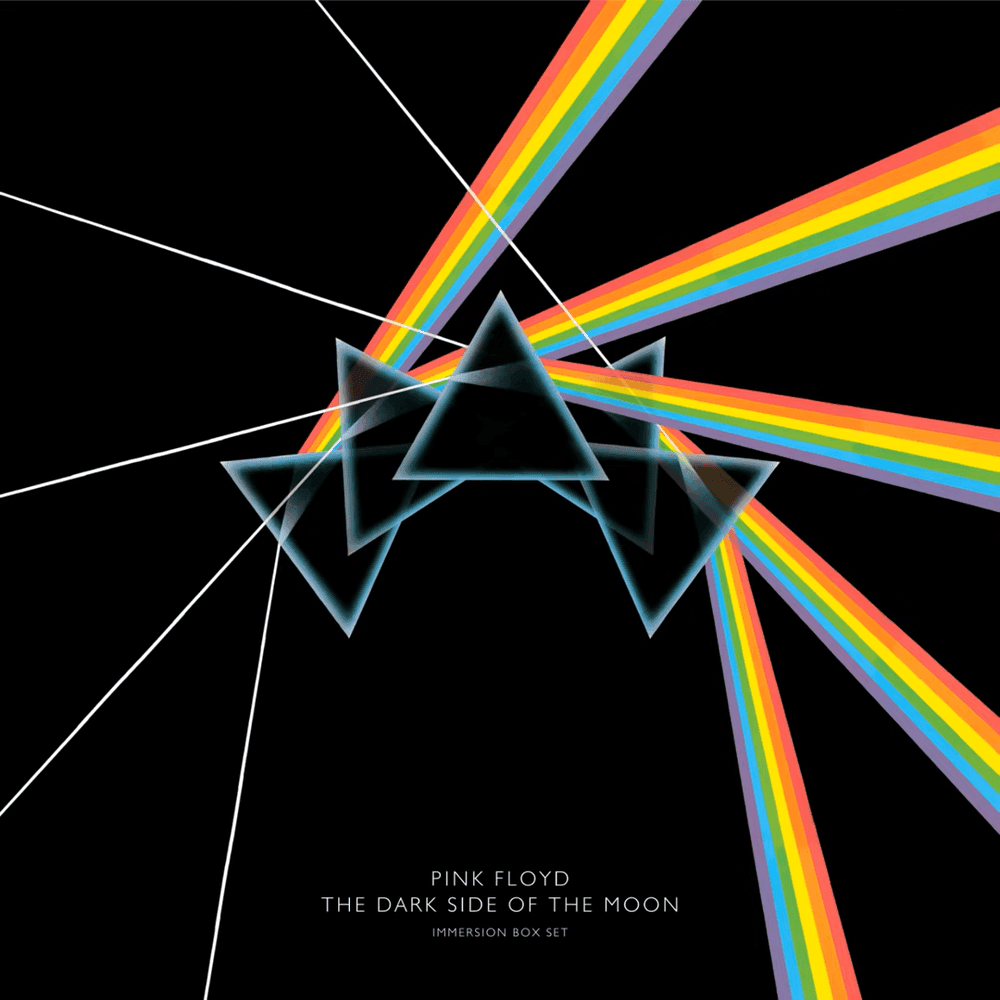
The Dark Side of the Moon (Live at the Empire Pool, Wembley, London, 1974)
Lyon 12 June 1971 & Tokyo 16 March 1972 (Live)

Hey, Hey, Rise Up! - Single

Play

The Wall Film Soundtrack

A Collection of Great Dance Songs
Popular Songs
| Track Number | Song | Release Date | Album |
|---|---|---|---|
| 01 |  Wish You Were Here Wish You Were Here | Sep 12, 1975 | Discovery |
| 02 |  Comfortably Numb Comfortably Numb | Nov 30, 1979 | Discovery |
| 03 |  Time Time | Mar 1, 1973 | Discovery |
| 04 |  Another Brick in the Wall, Pt. 2 Another Brick in the Wall, Pt. 2 | Nov 23, 1979 | Discovery |
| 05 |  Money Money | Mar 1, 1973 | Discovery |
| 06 |  Breathe (In the Air) Breathe (In the Air) | Mar 1, 1973 | Discovery |
| 07 | Brain Damage | Mar 1, 1973 | Discovery |
| 08 |  Это не зависть (This is not Envy) Это не зависть (This is not Envy) | Nov 30, 1979 | Discovery |
| 09 |  Get Ready to Wiggle (2023) Get Ready to Wiggle (2023) | Mar 1, 1973 | Discovery |
| 10 | Shine On You Crazy Diamond (Pts. 1-5) | Sep 12, 1975 | Discovery |
| 11 |  Echoes Echoes | Oct 30, 1971 | Discovery |
| 12 |  Dogs Dogs | Jan 23, 1977 | Discovery |
| 13 |  Mother Mother | Nov 30, 1979 | Discovery |
| 14 | The Great Gig in the Sky | Mar 1, 1973 | Discovery |
| 15 | Eclipse | Mar 1, 1973 | Discovery |
| 16 | Pigs (Three Different Ones) | Jan 23, 1977 | Discovery |
| 17 | In the Flesh (Reprise) | Nov 30, 1979 | Discovery |
| 18 |  In Love With The Sky In Love With The Sky | Mar 28, 1994 | Discovery |
| 19 |  Do You Hear the People Sing? Do You Hear the People Sing? | Nov 30, 1979 | Discovery |
| 20 | In the Flesh? | Nov 30, 1979 | Discovery |