Song Meaning
The lyrics paint a picture of someone grappling with actions they may not fully own, yet are undeniably linked to. There's a palpable sense of confusion and self-doubt, as the narrator insists "To nie byłem ja" (It wasn't me) but immediately qualifies it with "choć był tu ktoś" (though someone was here). This creates an immediate tension: a denial of direct agency coupled with the acknowledgment of a presence, a force, or perhaps another self involved.
The central conflict seems to stem from this dissociation. The narrator asks "Powiedz w końcu mi czy masz mnie dość?" (Tell me finally if you've had enough of me?) and "Czy mogę tu być?" (Can I be here?), suggesting a fear of rejection or abandonment due to these unclear circumstances. The repeated phrase "jak na złość" (as if on purpose, spitefully) amplifies the feeling that events are unfolding against the narrator's will, adding a layer of external frustration to internal turmoil.
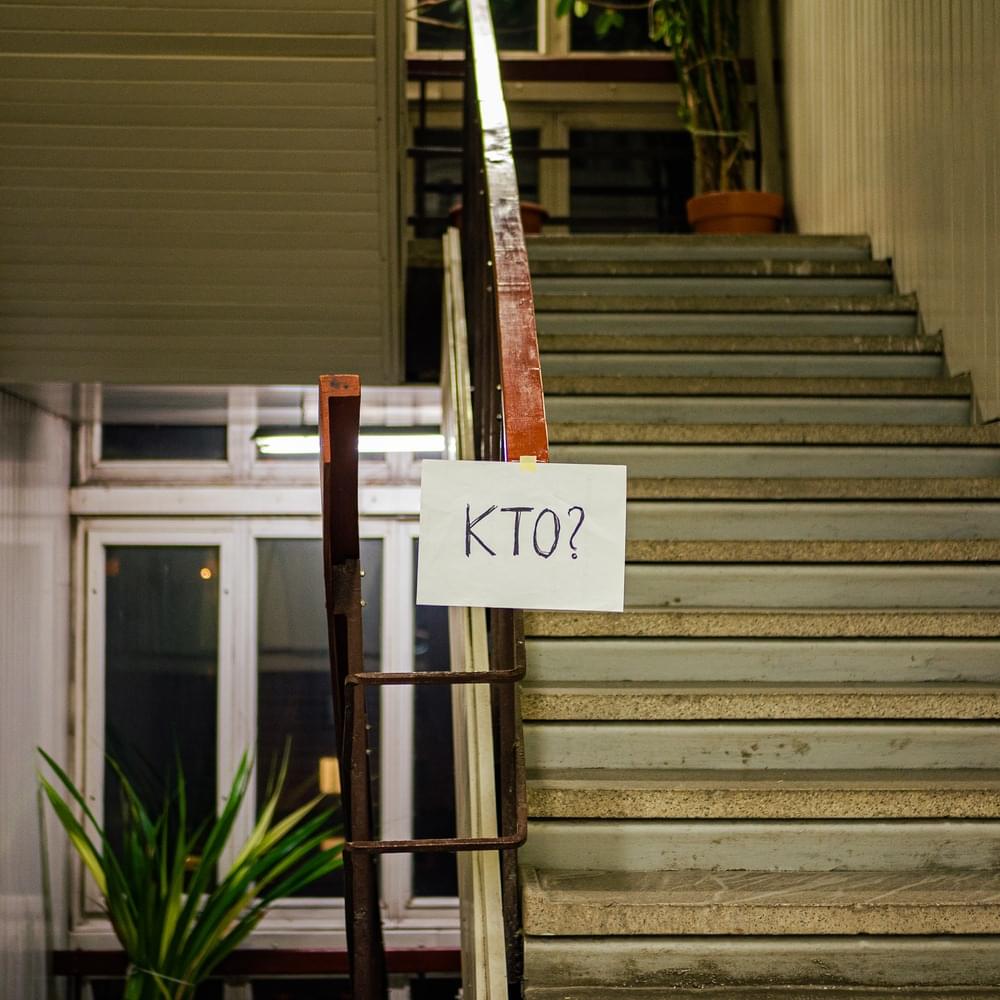
The most striking element is the relentless questioning in the outro: "No kto? No kto?" (Well who? Well who?). This isn't just a search for an external culprit; it feels like an internal interrogation. The narrator is desperate to pinpoint responsibility, to understand who or what is driving these actions that cause them to "cały się trzęsę" (shake all over). The repetition hammers home the inescapable nature of this mystery and the narrator's profound distress.
This lyrical construction is effective because it mirrors the disorienting experience of losing control or being haunted by one's own actions, or the actions of a part of oneself. The simple, direct language and the insistent questioning create a raw, almost desperate plea for clarity, making the listener feel the weight of the narrator's confusion and anxiety.
 View Artist