Song Meaning
The lyrics paint a picture of a moment of intense, perhaps dangerous, connection, urging a halt to the outside world's demands. The narrator implores the listener to "stop, stop" and forget "maps, routes, are you here or not." This immediate plea sets a tone of urgency, suggesting a desire to freeze time and escape external pressures, focusing solely on the present shared experience. The city itself seems to pause, its "morning" reflected in the "patterns of your corneas," a visual that anchors the scene in a specific, intimate observation.
The core tension lies in the paradoxical nature of this connection, described as both an "idyll" yet simultaneously as "poison." The narrator and the subject are both the "poison," implying a destructive or intoxicating quality to their bond. This duality creates a compelling conflict: the desire for a perfect, timeless moment clashes with the inherent danger or toxicity of their relationship. The phrase "a moment and millions equal zero" underscores the overwhelming significance of this instant, rendering all other concerns and achievements meaningless in its presence.
The most striking craft element is the juxtaposition of idyllic imagery with the concept of poison and decay. The repeated command to "stop" is contrasted with the inevitable passage of time, likened to an "insect" that will "run away." The imagery of "dreams flying out the window like suicides" is particularly potent, suggesting a desperate, self-destructive flight from reality that mirrors the potential downfall of the relationship itself. The "cold of the season worse than police" adds a layer of oppressive, inescapable dread that amplifies the feeling of being trapped within this toxic idyll.
This lyrical construction is effective because it taps into the universal allure of escaping reality for a perfect, albeit fleeting, moment, while simultaneously acknowledging the potential for self-destruction inherent in such intense connections. The specific, almost claustrophobic details—the city reflected in eyes, the fleeting insect, the suicidal dreams—ground the abstract emotional conflict in tangible, unsettling images. The narrator's plea for stillness against the relentless march of time and the inherent danger of their bond creates a powerful, melancholic atmosphere that resonates deeply.
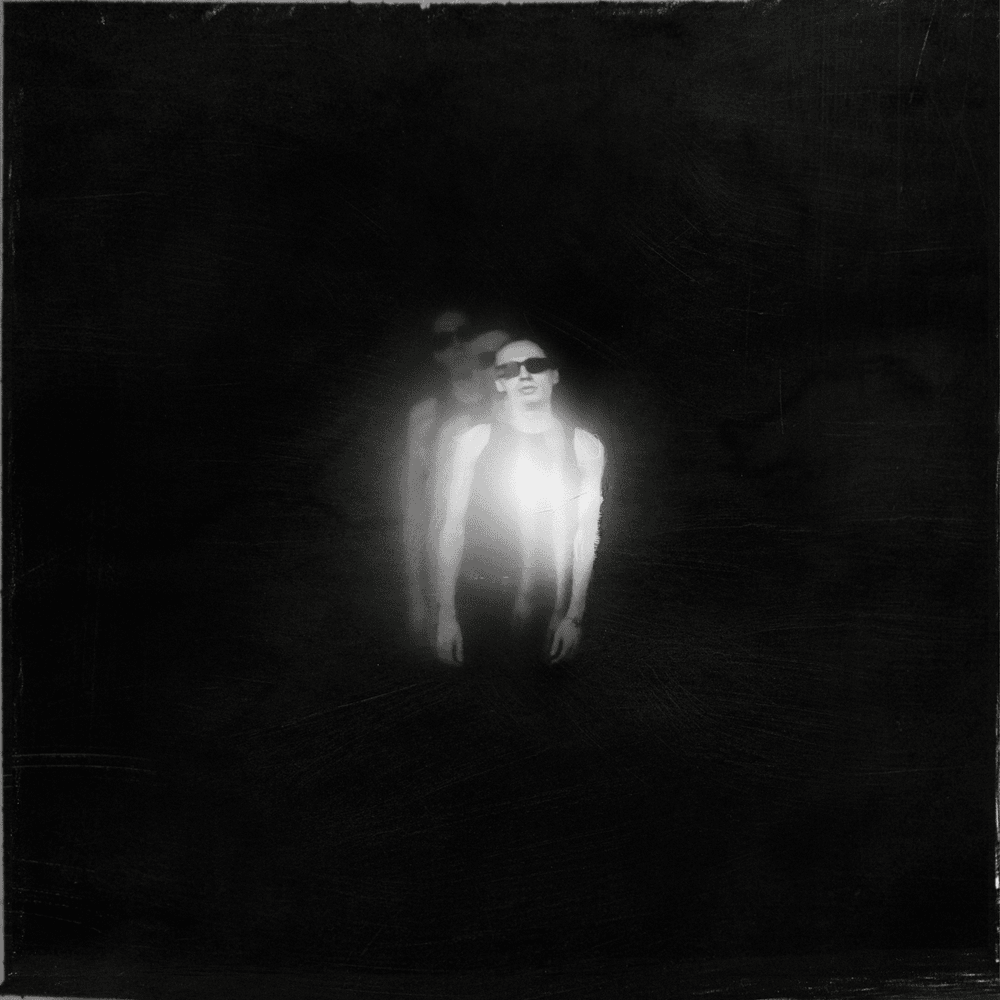
 View Artist