Song Meaning
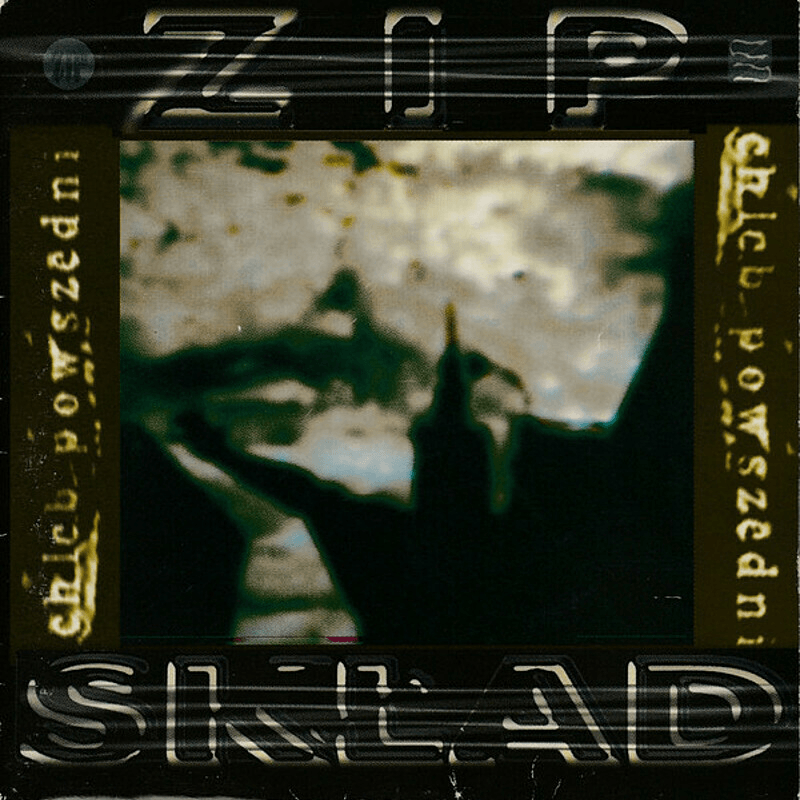
This intro skit sets a disorienting and somewhat bleak scene, immediately establishing a tone of detachment and futility. The repeated "Z-I-P" and "ZIP Skład" sounds like a brand or a label, perhaps hinting at commercialism or a system the speaker is outside of. The phrase "Powszedni chleb," meaning "daily bread," is repeated, suggesting routine and basic sustenance, but in this context, it feels more like a monotonous grind.
The core feeling here is one of passive observation and a lack of knowledge or agency. The narrator states plainly, "Nic nie wiem, nie widziałem" ("I don't know anything, I haven't seen anything") and "Z boku stałem" ("I stood on the side"). This isn't a position of choice but one of enforced idleness or exclusion, a feeling amplified by the subsequent "Nie ma czasu" ("There's no time").
The most striking line is the abrupt, almost accusatory, "Biegniesz donikąd, dzieciak" ("You're running nowhere, kid"). This shifts the perspective from passive observation to a direct, albeit impersonal, admonishment. It implies a frantic, pointless struggle that the narrator has witnessed from the sidelines, highlighting the wasted energy and lack of direction inherent in the system or the lives being depicted.
This opening works by creating a sense of unease through fragmented sounds and stark, declarative statements. The contrast between the mundane "daily bread" and the frantic, directionless "running nowhere" paints a picture of a society caught in a cycle of meaningless activity. It’s effective because it immediately grounds the listener in a feeling of existential drift and quiet desperation before the main narrative even begins.
 View Artist