Song Meaning
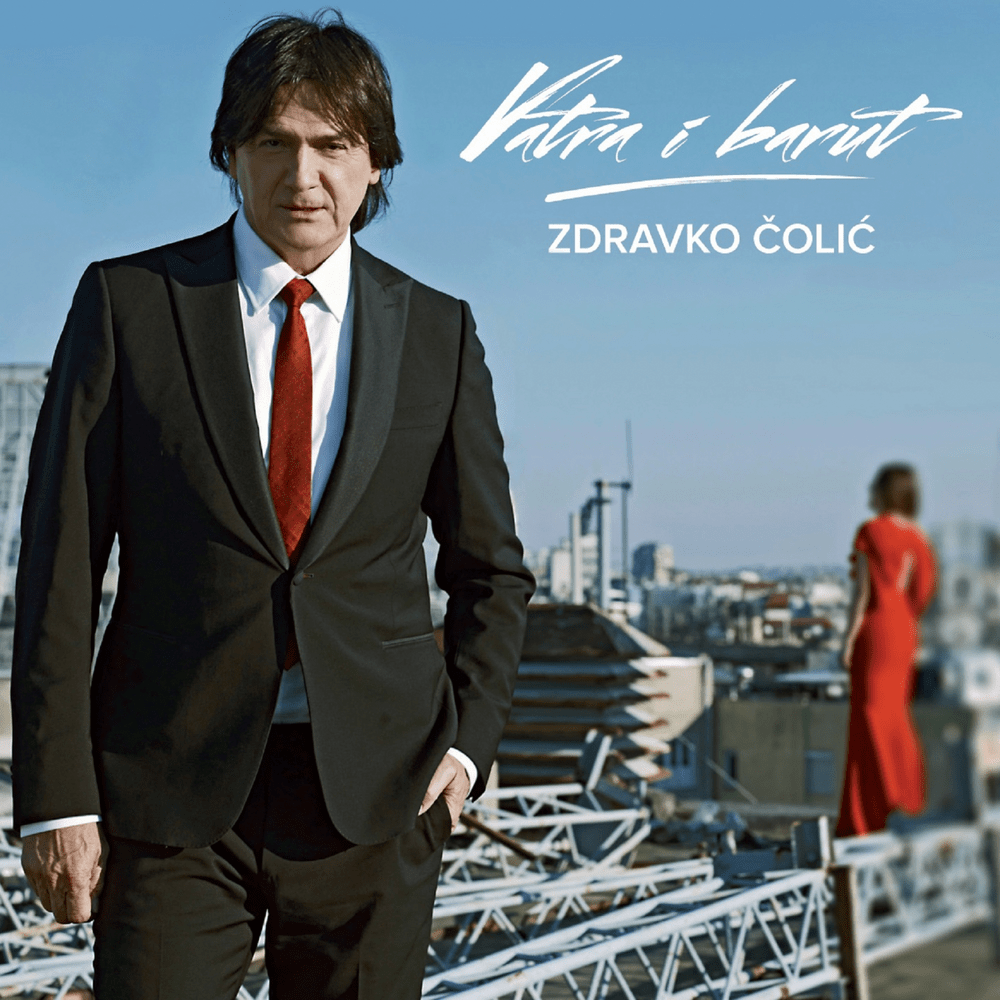
Zdravko Čolić's "Vatra i barut" (Fire and Gunpowder) isn't just a love song; it's an exploration of a relationship perpetually on the brink. The lyrics paint a picture of two people drawn together by an undeniable, almost volatile connection. The opening lines, a plea for a late-night call and a shared confession of loneliness, immediately establish a sense of yearning and a fragile hope for rekindling a dormant flame. But it's not a simple, sentimental reunion. There's an undercurrent of danger, a recognition that their bond is inherently unstable. The heart, once 'vrelo' (hot), has 'zaledilo' (frozen), yet something stubbornly survives, hinting at a past intensity that refuses to be extinguished completely. This duality is key to understanding the song meaning. It is not necessarily positive or negative, but about a passion that never dies.
The central metaphor of 'vatra i barut' (fire and gunpowder) is, of course, the core of the song's meaning. It speaks to a chemistry that is both intoxicating and potentially destructive. They extend the night ('produži mi noć') with wine, attempting to recapture a lost intimacy, acknowledging that their 'usne' (lips) once held a power that could ignite the spark. The line 'Osjećam goriš, gori tiše' ('I feel you burn, you burn quieter') suggests a smoldering passion, a fire that hasn't gone out completely but is now controlled, perhaps by past hurts or unresolved conflicts. This controlled burn is a key aspect of their relationship; the danger is still present, but it's now a familiar, almost comforting presence.
The repetition of 'Vatra i barut smo' (We are fire and gunpowder) throughout the chorus reinforces the idea that this explosive combination is not just a fleeting moment, but the very essence of their relationship. The 'Oe, oe, o / Bom / Bom, bom / Ko da me udari grom' (Like a thunderbolt hits me) section of the chorus serves as a sonic representation of the impact they have on each other – sudden, intense, and overwhelming. The realization that 'Ništa za nas nije gotovo' (Nothing is over for us) even when they are apart ('I kad smo blizu, i kad nismo') confirms that their connection transcends physical presence. "Vatra i barut" is a sophisticated portrayal of a love that defies easy categorization, a love defined by its inherent volatility and enduring power.
 View Artist