Song Meaning
Zdravko Čolić's "Moja draga" isn't just a breakup song; it's an exploration of the raw, lingering ache of sudden loss, amplified by the cruel twist of fate. The opening lines, "Kad bi život bio san, sanjala bi na mom ramenu" (If life were a dream, you'd dream on my shoulder), immediately establish a wistful longing, a yearning for an idealized past that now feels impossibly distant. The singer grapples not just with absence, but with the unrealized potential of the relationship, symbolized by the striking image of being a sword in her stone, an ever-present protector. This sets the stage for understanding the profound depth of the narrator's heartbreak. He's lost not just a lover, but a foundational piece of his own identity.
The core of the song meaning resides in the chorus, where the narrator confesses to angels—who, tellingly, "liče mi na bebe" (resemble babies), suggesting a vulnerability and naivete in his grief—that he's never encountered a love so pure. This isn't mere hyperbole; it's a testament to the transformative power she held over him. The line "I da ne postoji na svijetu sila, moćna kao što je naša ljubav bila" (And that there is no power in the world as powerful as our love was) underscores the almost cosmic scale of his loss. The repetition of "Moja draga, moja draga, jutros iznenada nestala bez traga" (My darling, my darling, suddenly disappeared without a trace this morning) drives home the disorienting, almost surreal nature of her vanishing. The suddenness is key; there was no closure, no preparation, just an abrupt and inexplicable void. This feeling can lead to a sense of unreality, as if the narrator is caught in a loop, constantly reliving the moment of discovery.
Ultimately, "Moja draga" delves into the psychological complexities of grief and the struggle to reconcile with the inexplicable. The narrator's conversations with the baby-faced angels suggest a regression to a more vulnerable, childlike state, a common response to trauma. He's searching for answers, for understanding, in the face of an event that defies logic. The guitar solo serves as a musical expression of this turmoil, a wordless scream of anguish and confusion. The song doesn't offer easy answers or tidy resolutions. Instead, it leaves the listener with a profound sense of empathy for the narrator's enduring pain, a testament to the enduring power of love and the devastating impact of its sudden absence.
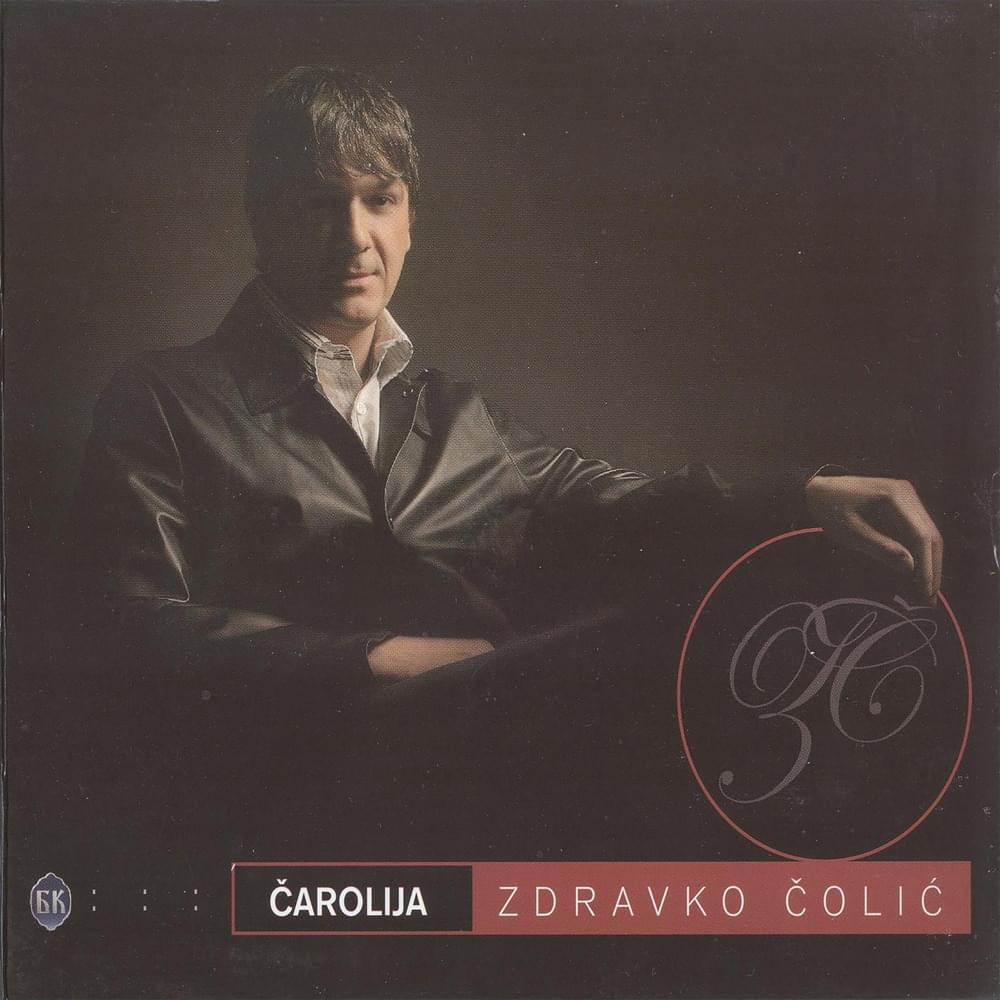
 View Artist