Song Meaning
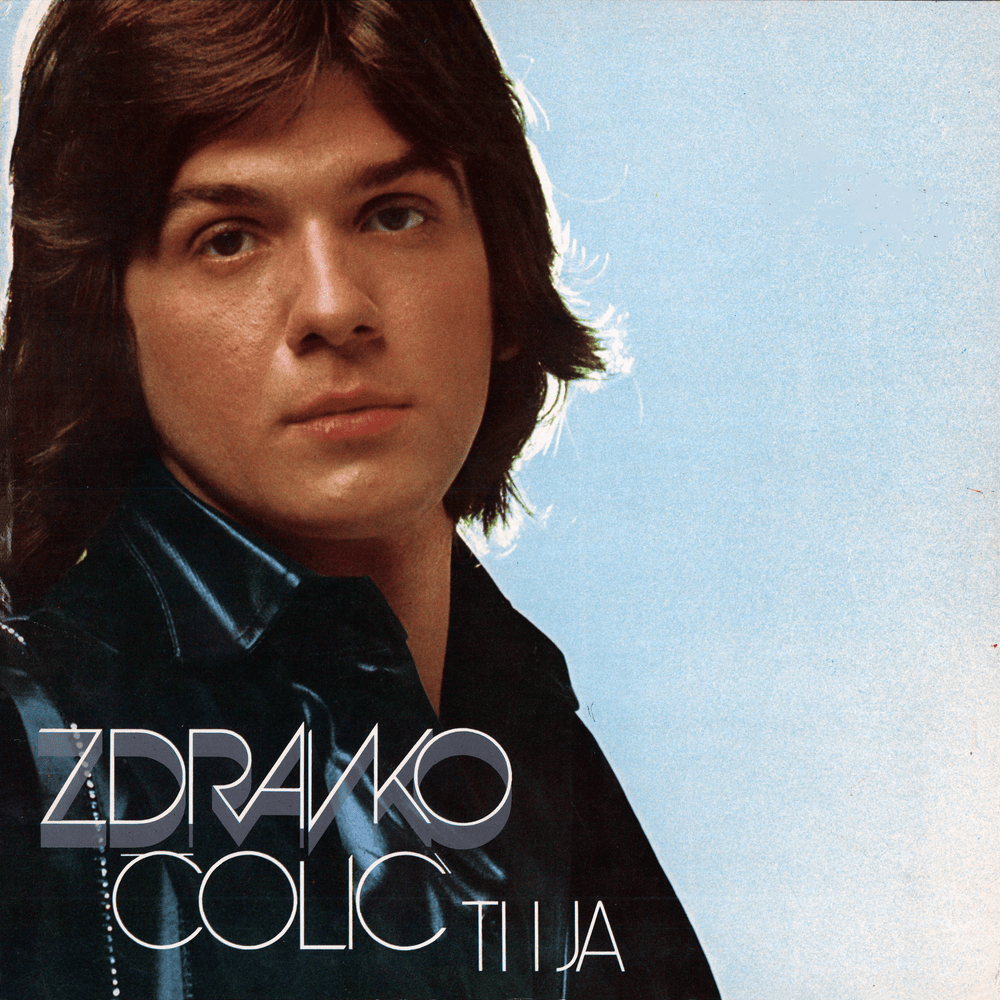
Zdravko Čolić's "Vagabund" isn't just a song; it's a raw nerve exposed, a portrait of a man unmoored by loss and driven to the edges of society in his desperate search for what's been taken from him. The initial declaration of finality, met with disbelief until the stark reality of "usne blijede" (pale lips), sets the stage for a visceral exploration of grief and the fragmented self. The lyrics paint a picture of a man cast adrift, a vagabond in the truest sense, traversing harsh landscapes both physical and emotional. He's not simply wandering; he's actively seeking, "jurim po prerijama, skitam po planinama, tražim po sjajnim zvijezdama" (rushing through prairies, wandering through mountains, searching among shining stars), driven by a hope that flickers even in the darkest corners of his existence. This constant motion, this relentless pursuit, suggests a refusal to accept the loss, a desperate attempt to rewrite the narrative of his reality. The pre-chorus and chorus highlight the paradox of the vagabond's existence. He oscillates between generosity and destitution, philosophical musings on life and death, and the singular, unwavering focus on the lost love.
The song's power lies in its unflinching portrayal of the protagonist's descent. Sleeping with the homeless, engaging in empty intimacies with other women – these are not acts of hedonism but rather desperate attempts to fill the void left by the absent loved one. There's a profound loneliness in these actions, a sense of self-abandonment that speaks to the depth of his pain. The line "Plačem za uspomenama" (I cry for memories) is particularly poignant, revealing the constant, gnawing presence of the past in his present. He's haunted by what was, and this haunting fuels his relentless search. The chorus is a revealing acknowledgement of the enduring power of the lost love. Despite the degradation and the apparent meaninglessness of his wandering existence, "iznad svega si ti" (above all is you), and it is this enduring love that provides a glimmer of hope and the will to continue the search.
Ultimately, "Vagabund" is a song about the enduring power of love and the devastating consequences of loss. It explores the ways in which grief can reshape a person, driving them to the fringes of society in a desperate attempt to reclaim what's been lost. The "dom u kojem živiš ti" (the home in which you live) represents not just a physical place but a state of emotional completeness, a sense of belonging that the protagonist is relentlessly pursuing. The song's enduring appeal lies in its honest and unflinching portrayal of the human condition, its exploration of the depths of despair and the enduring power of hope, even in the face of seemingly insurmountable loss. It's a testament to the fact that even in the darkest of times, the flame of love can still flicker, guiding us through the wilderness of our own making.
 View Artist