Song Meaning
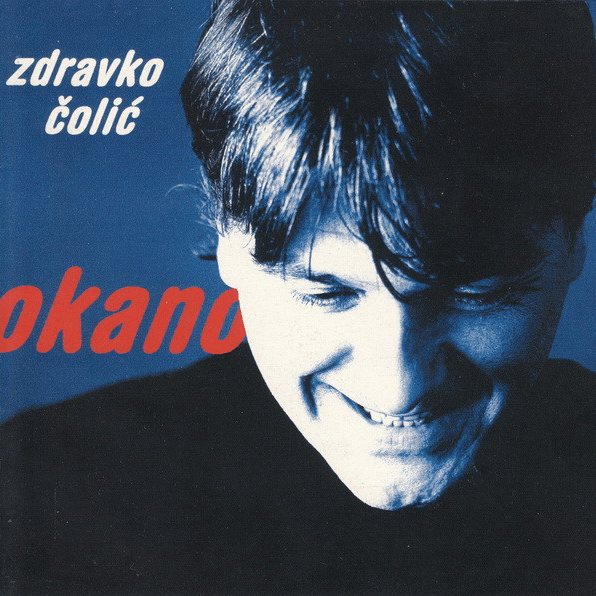
Zdravko Čolić's "Okano" opens with what sounds like a children's rhyme, a string of evocative but largely nonsensical phrases. This disarming intro serves as a portal into a deeper emotional landscape, a space where logic yields to raw feeling. The verses quickly establish a familiar narrative of dependence and regret. The singer laments the passage of time ("Prolazi dan, prolazi noc / Prolaze godine"), acknowledging a self-destructive pattern: what he builds, he tears down; what he earns, he squanders. The core of the song meaning lies in this confessed inability to function without 'Okano.' It's a stark admission of vulnerability, a reliance that borders on existential need. The repeated plea, "Oprosti mi Okano / Ne mogu bez tebe" underscores this dependency.
The contrast between the singer and Okano is sharply drawn. While he struggles with self-sabotage and a lack of fortune, Okano possesses luck enough for both of them. This imbalance fuels the singer's sense of inadequacy, highlighting his perceived flaws against Okano's apparent success. The lines "Sve hoce te, ide ti, i dobro je" versus "Nemam srece za oboje" are not just descriptive; they are laden with a complex mix of admiration, longing, and perhaps a touch of resentment. The repetition of "Oko Okano / Moje jedino" at the song's close acts as both a tender expression of love and a desperate reaffirmation of Okano's unique importance in his life.
Ultimately, "Okano" isn't just a love song; it's an exploration of codependency and the internal struggle between self-awareness and helplessness. The almost childish opening juxtaposed against the adult lament paints a picture of regression, the singer seemingly reduced to a childlike state of need in the absence of his beloved. The lyrics analysis reveals a portrait of a man grappling with his own shortcomings, projecting his hopes and happiness onto another person. The song's power resides in its raw honesty, its willingness to expose the messy, sometimes uncomfortable realities of human connection.
 View Artist