Song Meaning
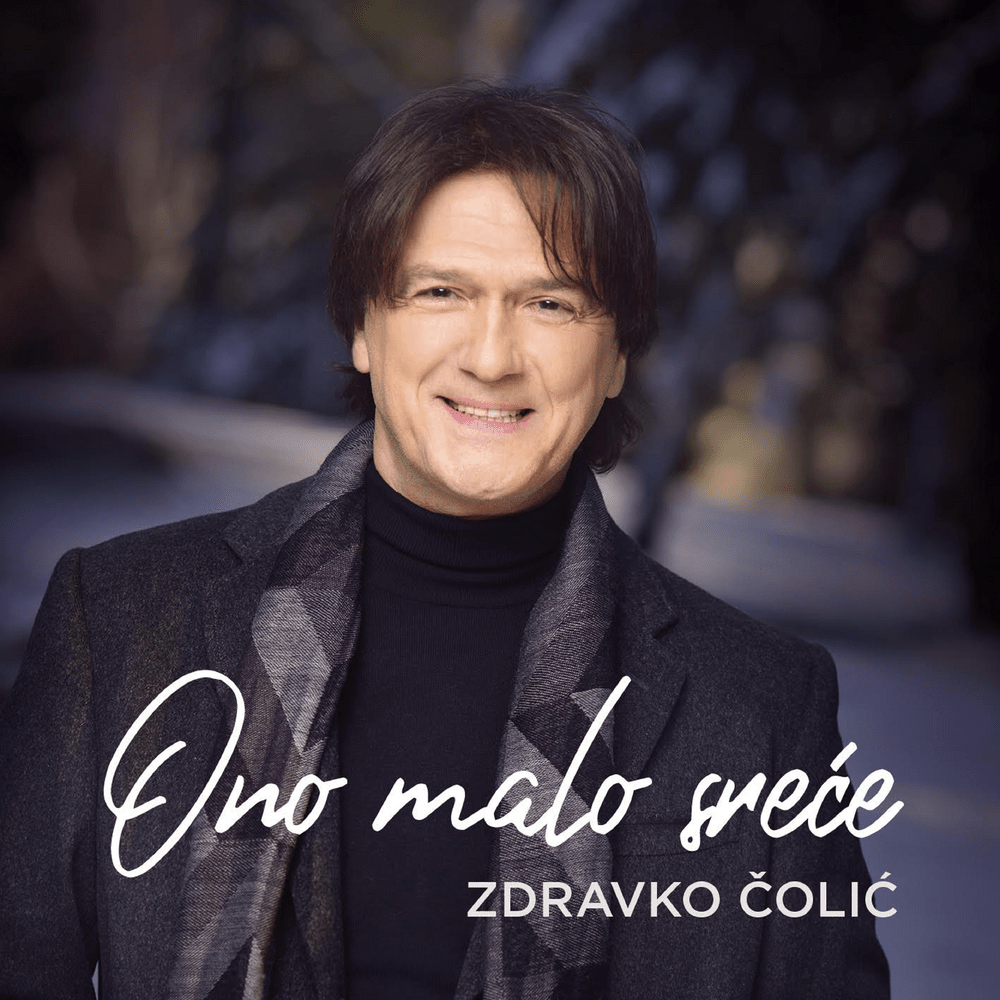
Zdravko Čolić's "Kuća puna naroda" isn't just a song; it's a yearning for connection, a sonic embrace attempting to fill an unspoken void. The lyrics paint a vivid picture of a man craving the warmth and camaraderie of a crowded house, a space overflowing with laughter, music, and shared stories. The repeated requests to "donesite hljeb, donesite sol" (bring bread, bring salt) are more than just calls for sustenance; they are symbolic invitations to partake in a ritual of togetherness, a primal longing for belonging. This desire is further amplified by the plea to "donesite sebe meni na dar" (bring yourselves as a gift to me), revealing a deep-seated need for genuine human connection, a desire to be seen and accepted.
However, beneath the surface of convivial celebration lies a melancholic undercurrent, a subtle awareness of loss. The line "Tu priču o sreći, tu predivnu laž / Da ljubav ti vrati to koliko joj daš" (That story of happiness, that beautiful lie / That love returns as much as you give it) hints at a past relationship, a disillusionment with the transactional nature of love. It suggests a recognition that the idealized notion of reciprocal affection is often a fallacy, a comforting narrative that masks a deeper truth. The request for "Pjesma o njoj nek' se pjeva uglas / Nek' vrati mi slike kad sam imao nas" (Let the song about her be sung in unison / Let it bring back the pictures when I had us) further underscores this yearning for a bygone era, a longing to recapture a sense of wholeness that is now lost.
The chorus, with its plea for "Kuća puna naroda" (a house full of people), acts as both a remedy and a distraction. The singer seeks to drown his sorrows in the collective joy of others, using their presence as a shield against the pain of solitude and regret. The phrase "Živote moj, podari mi glas / Pjesmama da zagrlim vas" (My life, give me a voice / To embrace you with songs) reveals a desire to transcend personal pain through artistic expression, to transform individual sorrow into a shared experience of catharsis. Ultimately, "Kuća puna naroda," while seemingly a celebration of community, is a poignant exploration of loneliness, loss, and the human need for connection in the face of heartbreak.
 View Artist