Song Meaning
Zdravko Čolić's "Ao nono bijela" unfolds as a deceptively simple serenade, a folk-infused reverie that teases at something primal beneath its sun-drenched surface. At its heart, the song meaning hinges on the recurring phrase "Ao nono bijela," a melodic hook that acts as both an invocation and a gentle lament. The image of green grass as a bed and a mischievous wind lifting a skirt immediately establishes a scene of youthful innocence bordering on erotic awakening. The repeated lines about the skirt widening and a little foot peeking out aren't explicit, but they carry a clear charge of burgeoning sexuality, viewed through the lens of nature's playful indifference.
But what elevates "Ao nono bijela" beyond a mere flirtation is the symbolic weight of water. The repeated line, "The water carried you away / And then brought you to me," suggests a cycle of loss and rediscovery, perhaps even a metaphor for the unpredictable nature of love itself. The water, a powerful force, takes something precious, only to return it, transformed. This push and pull creates a sense of longing, a recognition that connection is both fragile and resilient. The 'white' (bijela) in the refrain could symbolize purity, innocence, or even a blank slate, something reshaped by experience and circumstance.
Ultimately, the brilliance of "Ao nono bijela" lies in its ambiguity. It's a song that invites interpretation, allowing listeners to project their own experiences of desire, loss, and the cyclical nature of relationships onto its vibrant tableau. Čolić's performance, no doubt, adds to the song's inherent charm, imbuing it with a warmth and sincerity that makes its underlying complexities all the more resonant. This isn't just a song; it's a memory, a feeling, a whisper of something both timeless and deeply personal.
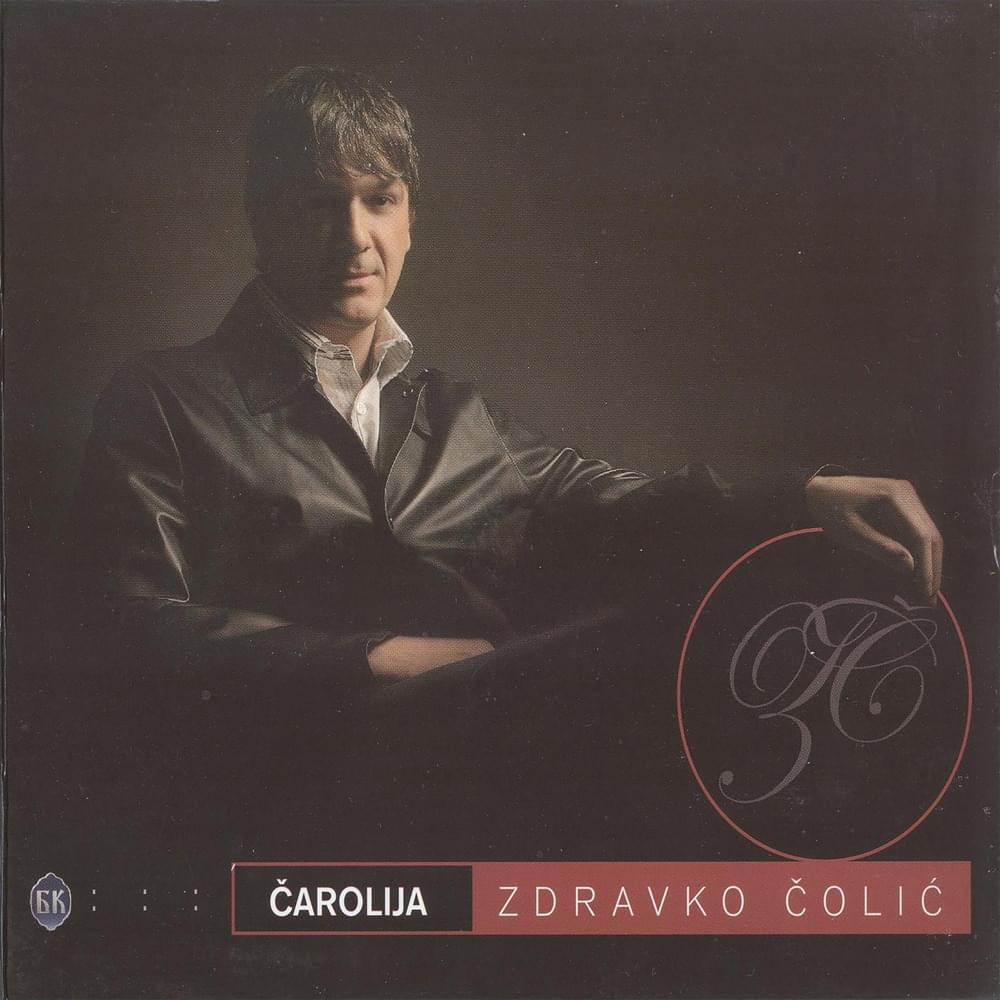
 View Artist