Song Meaning
Zdravko Čolić's "Ajde, idi" is a masterclass in bittersweet dismissal, a song meaning steeped in the recognition of love's fleeting, often destructive nature. The opening lines immediately set the tone, comparing love to hashish – an intoxicating high that's as ephemeral as smoke. This isn't some naive ode to romance; it's a seasoned perspective, acknowledging that where there's smoke (passion), there's fire (potential for getting burned). The lyrics cleverly equate love to a hangover ("Ljubav to je mamurluk"), suggesting the regret and disorientation that often follow intense emotional experiences. The body's pull towards the earth ("Tjelo zemlji tezi") further emphasizes a desire for grounding after the disorienting effects of love.
The repeated refrain, "Ajde idi, ajde idi, vidi / Neka ti se neko drugi svidi / Ako ti se neko cik svidi / Onda me ostavi, idi" ("Go, go, see / Let someone else please you / If someone pleases you / Then leave me, go"), isn't necessarily an expression of anger or resentment. Instead, it reads as a pragmatic acceptance – almost a weary resignation. The speaker seems to understand that forcing a connection is futile, even harmful. There's a subtle understanding of the other person's potential wandering eye, and rather than clinging desperately, the speaker grants them permission to explore other avenues.
The juxtaposition of sweet and dangerous continues with the comparison of love to Turkish delight ("ratluk, slatki bezobrazluk"), a sweet and mischievous treat. The line "Ljubav je samo iluzija" ("Love is just an illusion") cements the song's cynical core. It's not a denial of love's existence, but rather a recognition of its often deceptive and transient nature. "Ajde, idi" isn't just a breakup song; it's an exploration of the psychological complexities of attachment, desire, and the painful but necessary act of letting go.
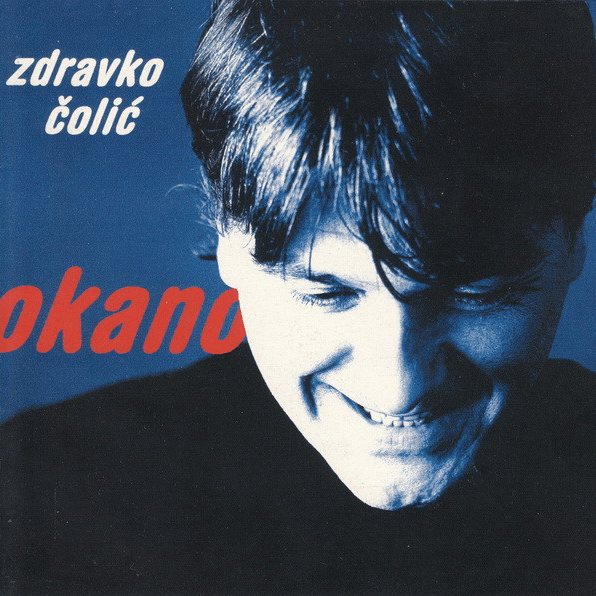
 View Artist