Song Meaning
The lyrics paint a visceral, almost grotesque picture of artistic struggle and existential dread. The narrator seems to be digging through religious iconography, their heart described as a "ball of hair" clogging a drain, a potent image of internal blockage and decay. They offer up this brokenness, this "shell," to a "crying" entity, pleading for "gunpowder" to mix with a "balm for the soul," suggesting a desperate, destructive catharsis. The act of pursuing beauty is framed as inherently dangerous, a path that leads to internal rot and a spitting contempt for the world, represented by the "maggot" in the back.
The central tension lies in the conflict between the artist's internal turmoil and the external perception of their work. The narrator observes others "wriggling like the living," implying a superficial vitality that contrasts with their own profound suffering. They implore this external force to "say a word before God," to promise not to tamper with their vulnerability, yet the "Christ's passions" are already "bubbling in the skull," indicating an inescapable internal torment that fuels their art.
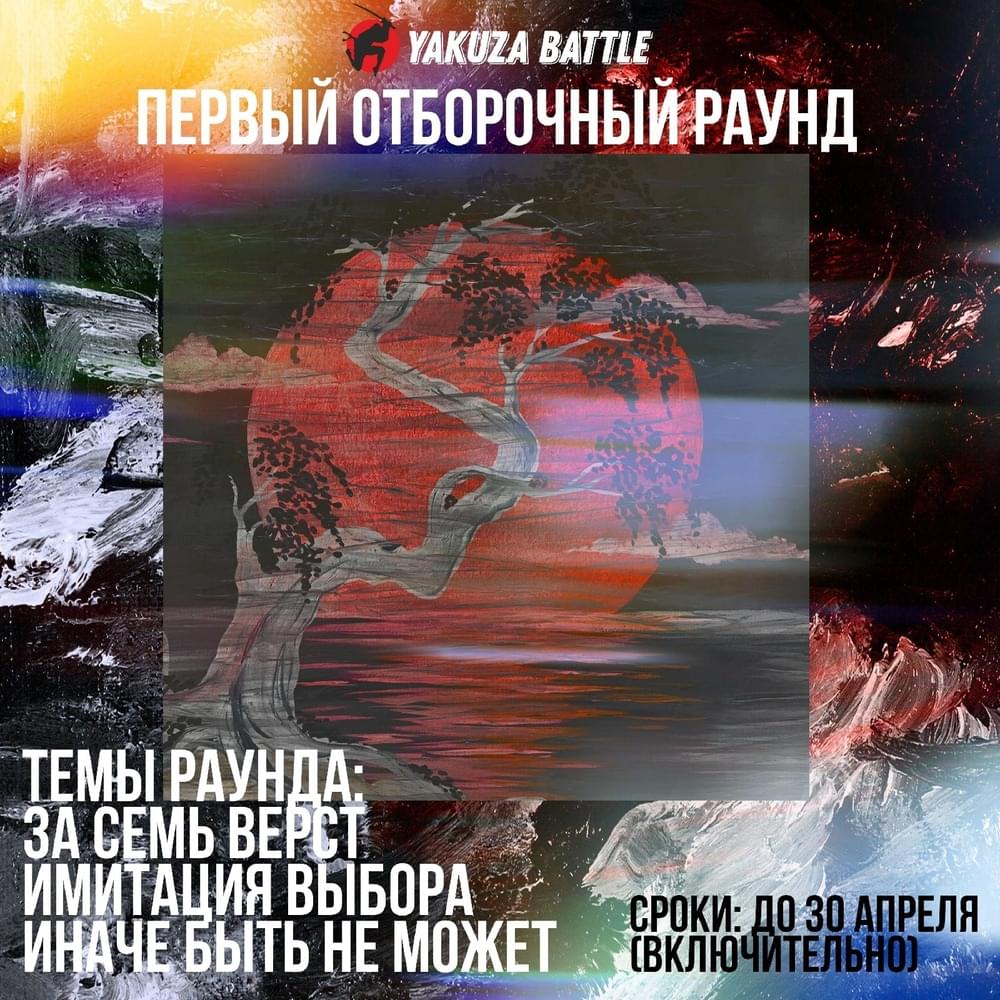
The repeated phrase "Imitation of choice" is the lyrical core, highlighting a sense of futility and predetermined paths. The narrator feels trapped, their artistic endeavors "worn out" and "stuffed," with "no way out for art." The artist, they claim, "doesn't burn," suggesting a lack of genuine passion or inspiration, or perhaps that the creative fire has been extinguished by the very act of creation. This leads to a feeling of profound disbelief, "unheard of."
Ultimately, the lyrics convey a bleak outlook on the artistic process, where creation is born from pain and leads to further despair, with no genuine escape or fulfillment. The final plea, "Scream when it gets bad, spectator," coupled with the Latin "Ecce enim pulchritudo" (Behold, for beauty), creates a jarring juxtaposition. It suggests that the beauty the spectator witnesses is a product of this intense, destructive internal struggle, a painful spectacle rather than a source of inspiration.
 View Artist