Song Meaning
The lyrics paint a stark picture of profound emotional detachment, beginning with a self-harm attempt that is met with indifference. The narrator describes cutting their wrists, noting it didn't even hurt, and being taken to the hospital only to be dismissed because "they" believe the narrator will manage. This dismissal leaves the narrator walking home alone as the sky darkens, with no sense of urgency.
The central tension lies in the narrator's internal state versus external validation. The repeated phrase "mä pärjään" (I'll manage/I'll be fine) is not a statement of self-assurance but a parroting of what "they" say. This suggests a deep-seated disconnect where the narrator's worth or ability to cope is contingent on external pronouncements, rather than an internal sense of resilience. The mention of the "kultavehka" (golden plant/idol) dying from lack of love further emphasizes a feeling of barrenness and emotional neglect.
The imagery shifts dramatically in the final verse, introducing a distant, serene scene of snow falling in the mountains. This contrast between the narrator's immediate, bleak reality and the gentle, almost ethereal snow suggests a yearning for peace or a moment of profound sensory experience. The narrator's ability to "hear" the snow as it lands implies a sensitivity to subtle beauty, even amidst their own desolation.
This disconnect between the narrator's internal suffering and the external world's perceived indifference, coupled with the stark, almost numb description of self-harm, creates a powerful sense of isolation. The lyrics effectively convey a feeling of being unseen and unheard, where even a cry for help is met with a shrug, leaving the individual to navigate their own darkness.
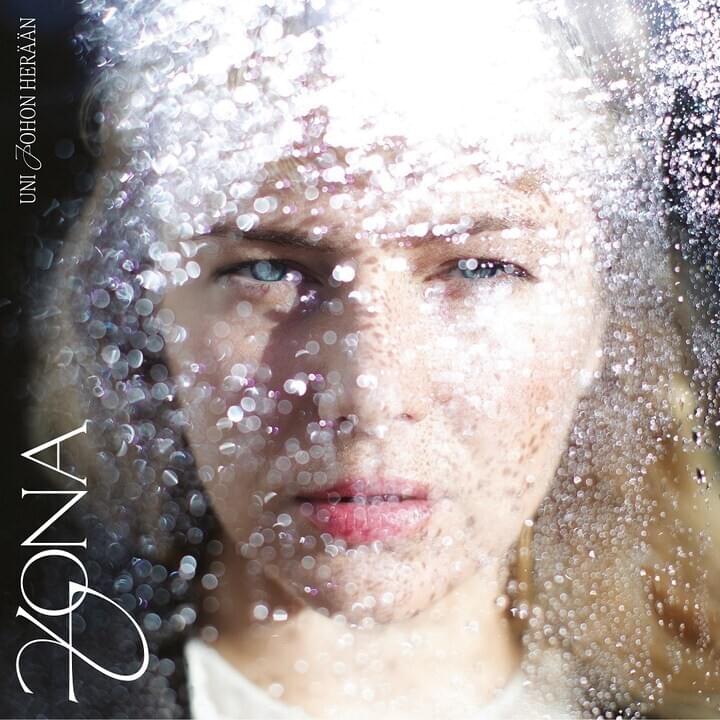
 View Artist