Song Meaning
The lyrics paint a picture of persistent, almost obsessive longing for someone who is no longer present, or perhaps never truly was. The narrator acknowledges the pain and futility of this fixation, noting that the presence of this person leaves a desolate landscape, both literally and figuratively. Despite the hurt and the clear evidence of the person's indifference, the narrator clings to an idealized image, calling them "mágica y eterna" (magical and eternal).
The central tension lies in the stark contrast between the harsh reality of the person's absence and the narrator's refusal to let go of a fantasy. The lyrics repeatedly use "aunque" (although) to list the reasons why this longing is irrational – the damage left behind, the intrusive thoughts, the painful memories, and the person's forgetfulness. Yet, after each concession to reality, the refrain "Yo te sigo soñando" (I keep dreaming of you) asserts the enduring power of this idealized vision.
A striking image is the person described as a "sardina maga" (magician sardine) with "luz plateada que me ciega" (silvery light that blinds me). This bizarre, almost surreal metaphor suggests a captivating but perhaps deceptive allure. It’s a strange, specific detail that highlights the irrationality of the narrator's enchantment, making the idealized image feel both potent and absurd. The plea "No juegues al billar con mis dolores" (Don't play billiards with my pains) further emphasizes the narrator's vulnerability and their desperate wish for the other person to stop using their suffering for amusement.
This persistent, self-aware delusion is what makes the lyrics resonate. The narrator isn't blind to the pain or the other person's lack of reciprocation; they articulate it clearly. However, the act of continuing to dream of this person as "mágica y eterna" becomes a defiant, albeit painful, act of self-preservation, an insistence on holding onto something beautiful, even if it's only in their mind.
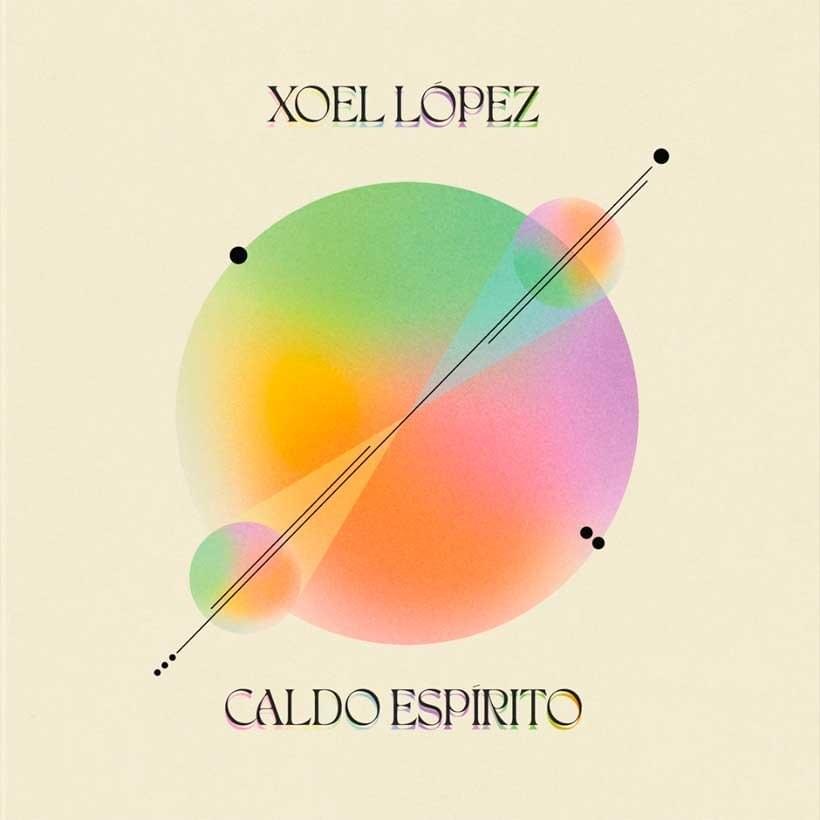
 View Artist