Song Meaning
The lyrics paint a picture of a gentle, almost surreal awakening, marked by sensory details that signal a shift from stillness to life. A warm breeze softens past sorrows, dogs fall silent, and a new presence introduces a spark, igniting a hidden inner space. This arrival is accompanied by natural sounds – birdsong – and a profound sense of wonder, where light becomes vast and dreams become tangible, leading to an outburst of song. The scene feels like a quiet, internal spring blooming.
The core tension emerges in the recurring questions: "¿Dónde irán las aves que no vuelan?" and "¿Dónde irán los barcos que no vuelven más?" These rhetorical queries introduce a melancholic undercurrent, hinting at loss, unfulfilled potential, or things that have departed and will not return. This contrasts sharply with the vibrant imagery of "Primavera" (spring) and the opening of "todos los mundos" (all the worlds), suggesting a world where beauty and possibility coexist with an unspoken sadness or a sense of things left behind.
The most striking craft element is the juxtaposition of the external world's renewal with the narrator's internal questioning. While "la primavera" is literally outside the window, and "los rayos dan paso a la vida entera" (rays give way to the whole life), the narrator is preoccupied with what is lost or absent. The repeated action of the other person, "Deslizas tus hojas por mis arenas" (You slide your leaves over my sands), and their singing, acts as a grounding force against these existential doubts, offering a fragile hope.
This song resonates because it captures a complex emotional state: the simultaneous experience of beauty and melancholy, presence and absence. The lyrics suggest that even amidst a world that seems to be opening up and offering new life, there's a persistent awareness of what's gone. The presence of the singing individual, who "aún crees en la gente" (still believes in people), offers a quiet counterpoint to the narrator's more somber reflections, making the arrival of spring feel both hopeful and tinged with a poignant understanding of loss.
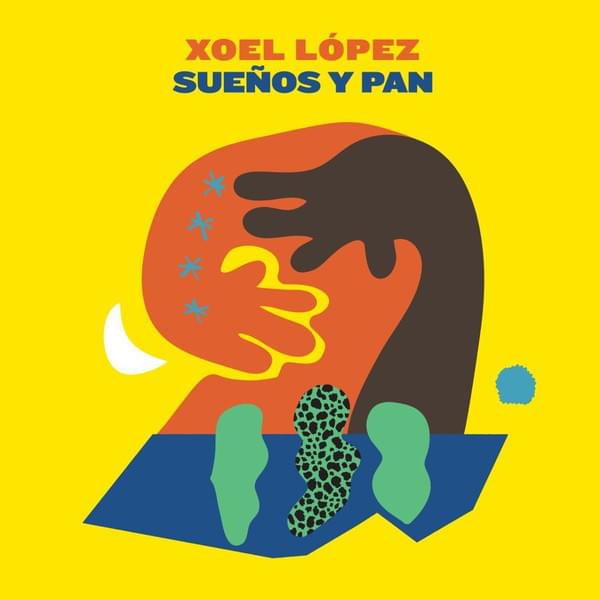
 View Artist