Song Meaning
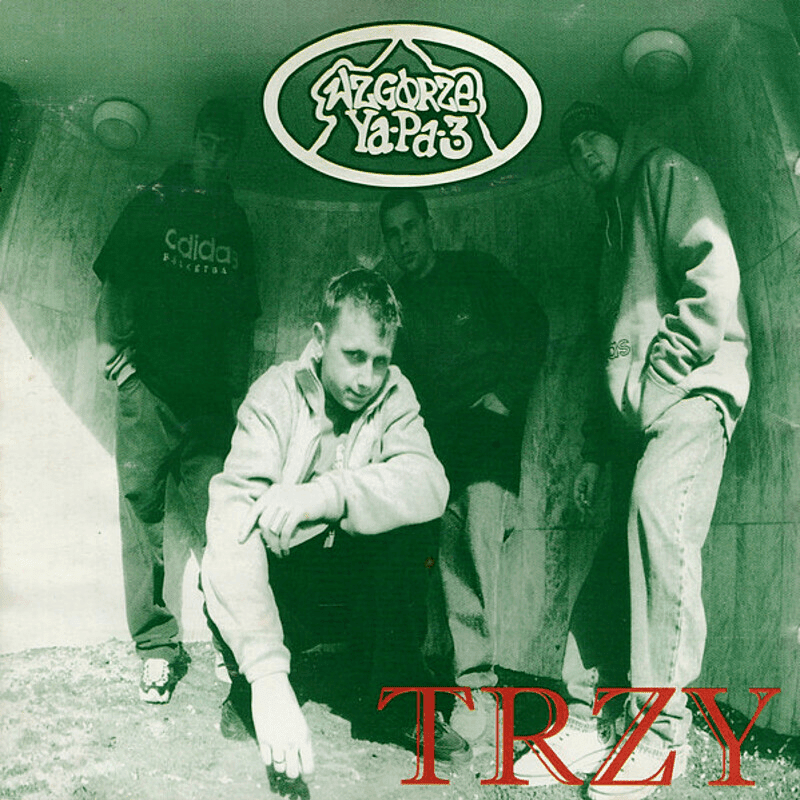
The lyrics paint a picture of a rapper's return, asserting his presence and identity with a defiant "Wracam! Wkraczam i jestem." The narrator emphasizes a deliberate choice, stating "Dziś się nie mylę, bo wybrałem cię," suggesting a focused intention behind his re-emergence. This return is framed within the context of a group, "W-Z-G-Ó-R-Z-E," and a collective identity, "Agro Klan," highlighting a sense of belonging and established roots.
The core tension seems to revolve around the narrator's self-definition and his relationship with his past and present. He asserts his existence as a matter of divine will, "Żyję, bo żyję – ten z góry tak chciał," implying a sense of destiny or higher purpose guiding his path. This is juxtaposed with a pragmatic acknowledgment of a "biznes" or underlying reason for this existence, hinting at a complex interplay between fate and worldly ambition.
A striking element is the narrator's declaration of his primary tools: "Moja własna broń to ten mikrofon / Często wyręcza go też gramofon." This metaphor frames his lyrical and musical output as weapons, suggesting a combative or assertive stance in his artistic expression. The contrast between the "broń" (weapon) of the microphone and the more passive "domofon" (intercom) he mentions, which he knows is no longer there, underscores a shift from past methods of communication or access to his current, more direct, and powerful artistic voice.
This track hits hard because it grounds a confident return in specific, almost territorial, declarations of identity and purpose. The narrator isn't just back; he's back with intention, armed with his craft, and acknowledging the forces, both earthly and perhaps spiritual, that have shaped his journey. The raw, direct language and the focus on his artistic tools create a potent sense of self-possession and readiness.
 View Artist