Song Meaning
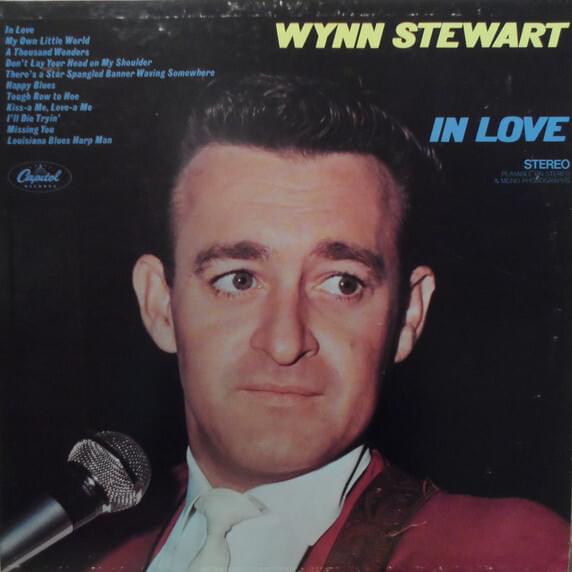
Wynn Stewart's rendition of "There's A Star Spangled Banner Waving Somewhere" cuts straight to the bone of American idealism, even as it flirts with the saccharine. The song isn't just a patriotic anthem; it's a yearning, a desperate wish projected onto a celestial screen. The titular banner, "waving somewhere / In a distant land so far across the sea," becomes a symbol of ultimate sacrifice and unwavering devotion, but also of exclusion. It's not waving here, now, for everyone. The lyrics hint at a selective heaven, a Valhalla reserved for "Uncle Sam's great heroes." This creates a tension, a quiet anxiety about who truly qualifies for this idealized afterlife.
The psychology at play here is fascinating. On one level, it's pure comfort. In times of war and loss, the idea of a special place for fallen soldiers offers solace, a narrative that gives meaning to tragedy. But on another level, the song subtly questions the cost of that comfort. The phrase "only wanted to be free" is particularly poignant. It speaks to the universal desire for liberation, a desire that transcends borders and ideologies. Yet, within the context of the song, it's filtered through a distinctly American lens, suggesting that freedom is inextricably linked to military service and sacrifice.
Ultimately, "There's A Star Spangled Banner Waving Somewhere" is a complex emotional artifact. It's a product of its time, undoubtedly, reflecting the patriotic fervor of the World War II era. But it also taps into deeper, more enduring human needs: the need for meaning, the need for belonging, and the need to believe that sacrifice is not in vain. The song's power lies in its ability to hold these conflicting emotions in delicate balance, creating a listening experience that is both uplifting and unsettling.
 View Artist