Song Meaning
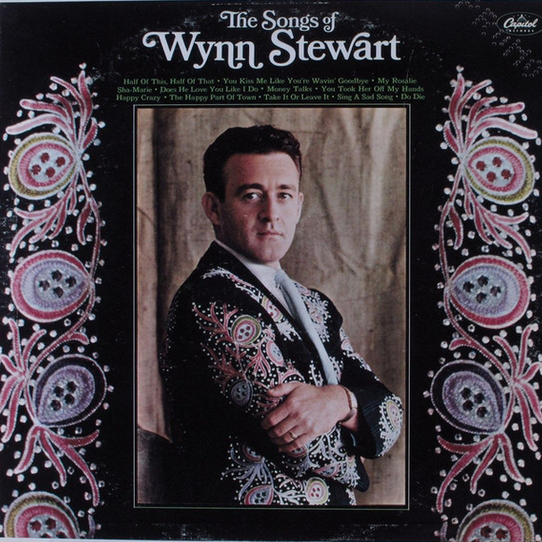
Wynn Stewart's "Money Talks" is a stark, embittered lament from a man priced out of love. The song isn't subtle; it's a direct accusation leveled at a lover who's traded genuine affection for financial security. Stewart's narrator isn't bemoaning his lack of ambition, but rather the perceived transactional nature of the relationship, where emotional connection is secondary to a bulging bank account. The line "I thought the best things of life are always free" drips with naive disappointment, a shattered ideal confronted by the harsh reality of materialism. The steel guitar underscores the loneliness at the song's core.
The chorus hammers home the central thesis: love, in this context, has a price tag. The repetition of "Money talks" isn't just a statement, but a condemnation. It's a sneering acknowledgement that his rival's wealth speaks louder than any romantic gesture he could offer. The "little golden band" reference hints at a commitment, a promise of forever overshadowed (or perhaps outright purchased) by financial power. The song suggests a world where even the most sacred unions are vulnerable to the allure of cold, hard cash.
Beyond the immediate heartbreak, "Money Talks" carries a broader critique of societal values. The narrator foresees a karmic reckoning for his former lover, predicting a future where her own pursuit of wealth leaves her emotionally bankrupt. The question, "How many kisses does a dollar buy?" isn't just a rhetorical flourish; it's a challenge to the listener to consider the true cost of prioritizing material gain over authentic human connection. Ultimately, the song serves as a cautionary tale about the corrosive influence of money on relationships and the enduring search for something that currency can't quantify.
 View Artist