Song Meaning
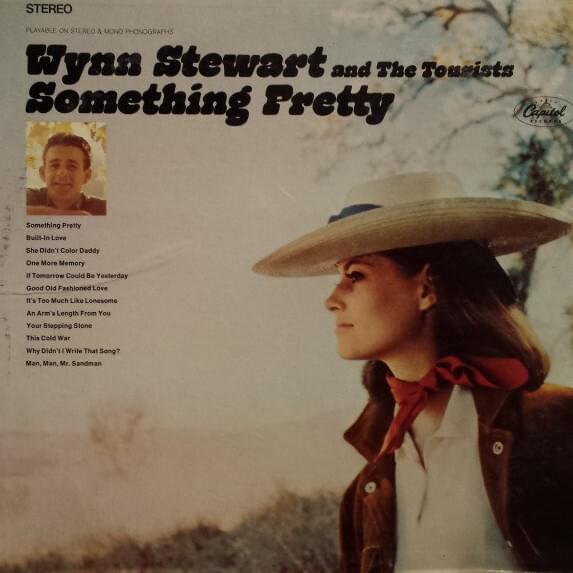
Wynn Stewart's "It's Too Much Like Lonesome" isn't just a country song; it's a masterclass in melancholic minimalism. Forget sweeping narratives or bombastic confessions. This is loneliness distilled to its most potent, everyday elements. The genius of the song lies in its stark imagery – a mailbox rendered obsolete, a silent phone, a porch light burning in vain. These aren't grand gestures of despair, but the quiet, accumulating details that paint a portrait of profound isolation. Stewart doesn't tell us he's lonely; he shows us, through the mundane objects that now serve as constant reminders of absence. The repetition of "It's too much like lonesome since you're gone" acts as a mantra, a resigned acceptance of a reality saturated with solitude. The 'sidewalk still leads right up to my house' but it's a path no longer trod by the one he desires.
The lyrics hint at a relationship dynamic that wasn't exactly a picnic, 'It's not much fun to love someone like you,' but the sting of separation far outweighs the prior frustrations. There’s a subtle, almost masochistic quality to the narrator's insistence on maintaining the facade of normalcy – the porch light, the functioning doorbell – as if hoping against hope for a return that deep down he knows is unlikely. The steel guitar break only amplifies the emotional hollowness, a sonic echo of the emptiness consuming the singer's life.
Ultimately, the song's power stems from its relatability. We've all experienced that moment when the ordinary becomes extraordinary, imbued with the weight of loss. "It's Too Much Like Lonesome" captures that feeling with devastating accuracy, reminding us that sometimes the deepest wounds are inflicted not by dramatic events, but by the quiet persistence of absence in the spaces where love once resided. This Wynn Stewart classic speaks to the universal human experience of trying to navigate a world suddenly devoid of the one person who made it feel complete, even if that love was, in his own words, not much fun.
 View Artist