Song Meaning
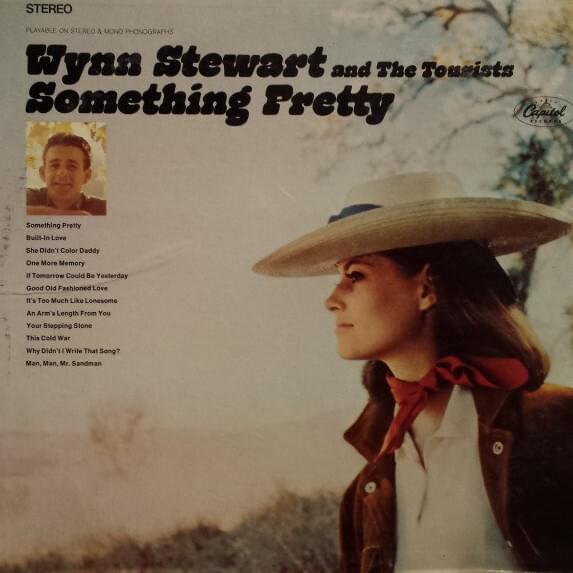
Wynn Stewart's "If Tomorrow Could Be Yesterday" isn't just a country lament; it's a distilled study in temporal regret. The song hinges on a deceptively simple premise: the agonizing desire to rewind time to a point before a romantic relationship fractured. The opening lines, "If three could be two if one wasn't blue / If tomorrow could be yesterday," establish a fractured state of mind, a desperate yearning to unscramble the present. It's not merely about wishing things were different; it's about recognizing the impossibility of altering the past, a core tenet of psychological acceptance. The 'blue' likely represents the singer's sadness, which he wishes he could eliminate. The numerical sequence suggests a disruption of natural order, mirroring the disruption in his love life. The phrase "If tomorrow could be yesterday" becomes a haunting refrain, encapsulating the central theme of unattainable reversal.
The core of the song meaning lies in its exploration of helplessness. Stewart sings, "But I don't have the powers to turn back the hours / To the time before he met you." This isn't just heartbreak; it's an admission of powerlessness against the relentless march of time and the choices that have irrevocably altered the romantic landscape. The introduction of "he" is crucial. It's not just about a lost love, but about a specific rival, a concrete point of origin for the singer's pain. This specificity adds a layer of bitterness and resentment to the already potent cocktail of regret.
The final verse drives the knife deeper: "And if minutes were years I've cried an ocean of tears / Cause tomorrow can't be yesterday." The hyperbole underscores the depth of the singer's sorrow, portraying his grief as overwhelming and all-consuming. The repetition of "tomorrow can't be yesterday" serves as a stark reminder of the unyielding nature of time. Wynn Stewart doesn't offer any easy answers or false hope; he simply lays bare the raw, unvarnished truth of loss and the agonizing awareness that some wounds simply cannot be healed. The song is a masterclass in country music's ability to articulate complex emotional states with deceptive simplicity.
 View Artist