Song Meaning
The lyrics paint a picture of unrequited love, where the narrator grapples with an intense emotional connection that feels fundamentally out of sync with reality. The opening lines question the natural order of things, like roses being red and violets blue, to highlight the narrator's confusion about why their heart isn't aligned with the expected romantic outcome. This sets up a poignant contrast between a deep desire to connect and an overwhelming sense of suffocation, as the narrator states, "I want to feel you so badly / But I can't get any air." The repeated imagery of staring into each other's eyes underscores a silent, unresolved tension.
The core of the song lies in the narrator's feeling of being "lost and in love," a state that extends even into the act of listening to this very song. This self-awareness of being consumed by the emotion, to the point of losing oneself within the music, is a powerful expression of how deeply this love has taken hold. The comfort found "with the lights out" suggests a retreat into a private, perhaps imaginary, space where this love can exist without the harsh realities of its unreciprocated nature.
The second verse introduces a specific, yet distant, object of affection. The narrator acknowledges the beloved's voice giving them "goosebumps" and being "pure in every word," but immediately dismisses it with "Oh, you've heard that all along." This suggests a history of unfulfilled longing and a resignation that their feelings are not new to the other person. The stark realization that the beloved remains "still a photo in a frame" solidifies the unbridgeable gap, emphasizing the one-sidedness of this intense emotional investment.
Ultimately, the effectiveness of these lyrics stems from their raw portrayal of internal conflict and the quiet desperation of loving someone who is present but unattainable. The repeated refrain of being "lost" within love and within the song itself captures the all-consuming, disorienting nature of such an experience. The final shift in the outro, from feeling "at home" with the lights out to being "alone at home," powerfully articulates the lonely reality that persists even after retreating into the comfort of fantasy.
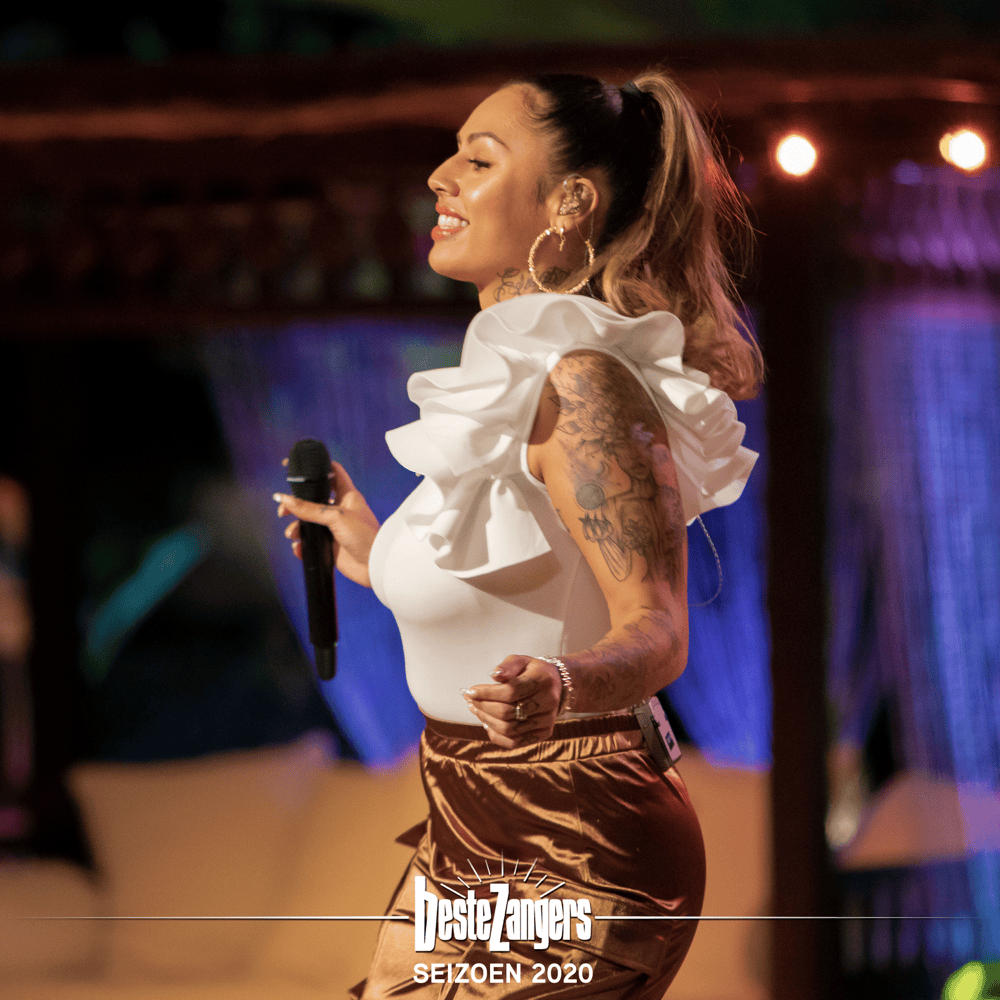
 View Artist