Song Meaning
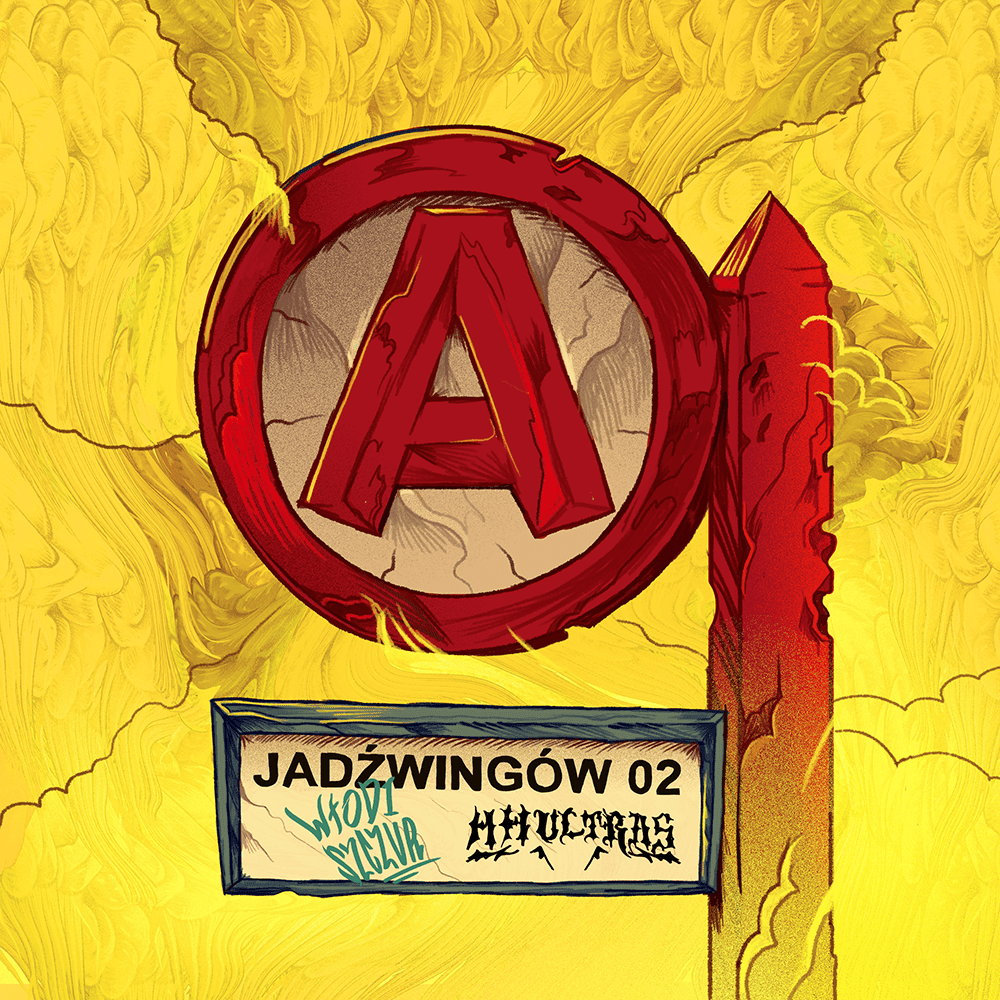
The lyrics paint a stark picture of loss and the struggle to carry on, set against the backdrop of a close-knit hip-hop community. The narrator is waiting for friends at a specific meeting spot, "Przystanek Jadźwingów," but the familiar scene is now tinged with absence. Several friends, "Czarny," "Plankton," and "Pjus," are gone, leaving a palpable void and a sense of grief that feels overwhelming, described as "coś się we mnie rozdziera." This personal tragedy is compounded by a grim statistic: "Jeden rok, czwarty pogrzeb i żadnego wesela," highlighting a period defined by death rather than celebration.
The core tension arises from the narrator's attempt to process this grief and honor the fallen. The immediate reaction is a raw "Kurwa... muszę jakoś to pozbierać," followed by a commitment to memorialize them through music: "Oddać hołd im w numerach, jak przystało na rapera." This dedication to the craft, to hip-hop culture ("Hiphop Ultras"), becomes a coping mechanism and a way to maintain connection, even as the personal cost is evident. The imagery of "ciężkie topy z moich pestek wyginają gałąź" suggests the music itself is a heavy burden, yet also a testament to their enduring impact.
A particularly poignant detail is the contrast between the grand gestures of hip-hop culture and the intimate, almost mundane moments of personal life. While "fani idą na całość" and "na koncertach będzie znów od dymu szaro," the narrator is also shown finishing a meal, with "spracowane ręce matki zabierają talerz." This grounding in domesticity, the mother's quiet support and past praise for his musical pursuits, provides a counterpoint to the street-level hustle and the weight of loss. The simple act of collecting "bletki ze stołu i pojemnik na olej" before heading out underscores the blend of everyday routine and the impending, potentially risky, journey for "towar" and the concert.
Ultimately, these lyrics resonate because they capture the complex interplay between profound personal loss and the enduring power of community and artistic expression. The narrator's struggle to reconcile grief with the demands of his life and his chosen art form feels authentic. The writing grounds abstract emotions in concrete details—the specific meeting spot, the names of lost friends, the mother's hands, the rolling papers—making the emotional weight of the situation deeply felt and undeniably real.
 View Artist