Song Meaning
The lyrics paint a stark portrait of isolation and routine, centering on a figure whose existence feels both mundane and tragically detached. The opening lines, with fingers that "explode" on a typewriter, create a jarring image of intense action leading to a growing "shadow," hinting at an unseen consequence or a deepening despair. The narrator's heart is metaphorically "in a bowl behind the bank," suggesting it's either guarded, lost, or perhaps even commodified and inaccessible. This sets a tone of emotional distance and a life lived under a pall.
This isolation is amplified by the repetitive depiction of the evening ritual: "make his supper and eat it alone." The personification of the "black shirt cries while his shoes get cold" is a powerful, almost surreal image of inanimate objects reflecting the subject's profound loneliness and emotional chill. The phrase "Tried and true" is repeated like a mantra, but in this context, it feels less like a comfort and more like an indictment of a life stuck in a predictable, unfulfilling pattern.
The narrator's own perspective shifts, acknowledging a presence – "I guess I'm lucky to have you here / In my kitchen in your chair." Yet, this companionship is so understated it borders on neglect: "Sometimes I forget that you're even there." This suggests a shared existence that lacks genuine connection, mirroring the isolation of the first figure. The stark, almost clinical recounting of "One summer, a suicide / Another autumn, a traveler's guide" followed by "He hits snooze twice before he died" offers a chilling, fragmented narrative of death as a final, almost indifferent act, a stark contrast to the mundane "tried and true" existence.
What makes these lyrics resonate is their ability to evoke deep emotional states through precise, often unsettling imagery and a detached narrative voice. The contrast between the explosive action of the fingers and the growing shadow, the crying shirt and cold shoes, and the casual mention of suicide alongside a repeated routine, all contribute to a sense of profound, quiet despair. The writing doesn't explain the sadness; it shows it through these carefully chosen, almost bleak details, leaving the listener to grapple with the weight of this isolated existence.
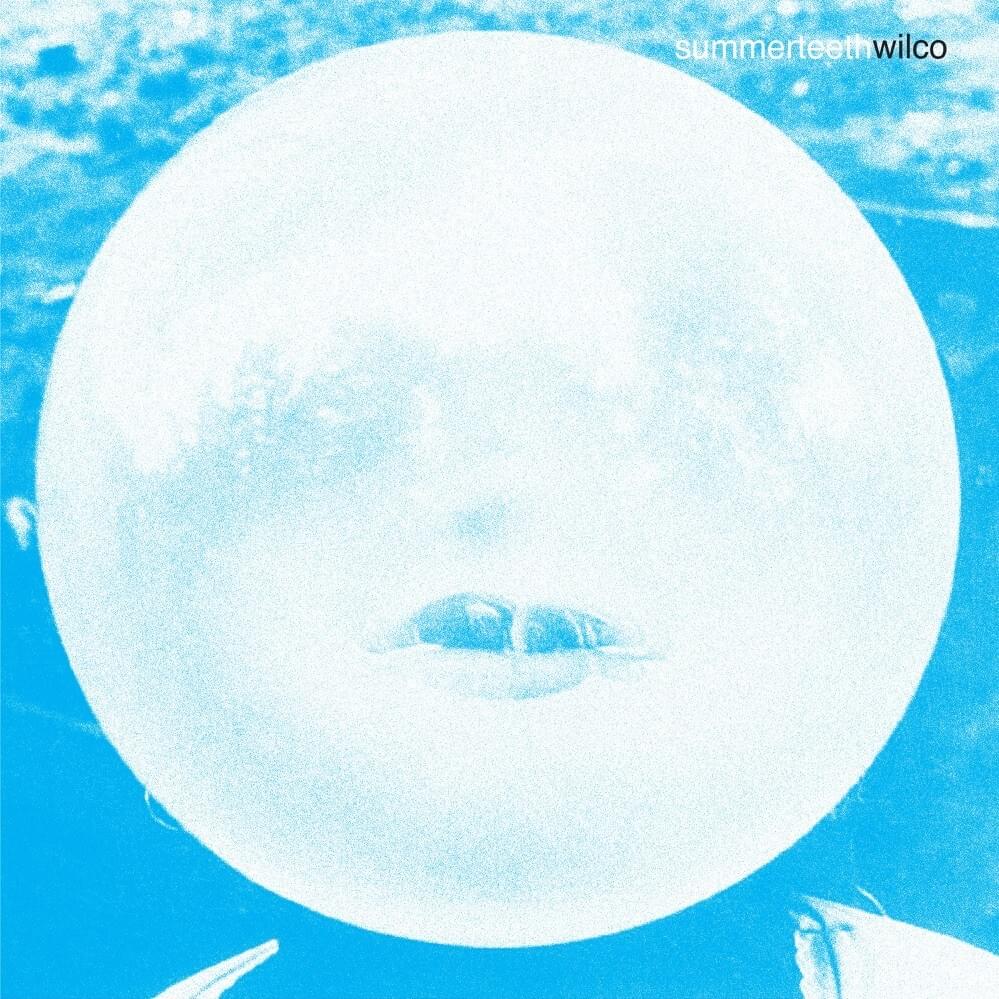
 View Artist