Song Meaning
The lyrics paint a picture of someone grappling with intense, almost violent, romantic obsession. The opening lines, with imagery of "letting go of your throat" and cleaning a "black belt model," suggest a relationship that's been physically or emotionally abusive, or at least incredibly tumultuous. Yet, the narrator immediately follows this with a declaration of "I'm braggin' / I'm always in love," creating a jarring contrast between the destructive nature of the relationship and the speaker's pride in being consumed by it. This sets up a central tension: the simultaneous acknowledgment of pain and the unwavering, almost defiant, assertion of love.
The narrator seems to be caught in a cycle of intense emotional highs and lows, described as holding "the cold in my jet-lagged palm" and soaking "so long, I forget my mother." These images evoke a sense of disorientation and self-neglect, where the overwhelming feeling of love causes the speaker to lose touch with reality and even their own identity. The repeated question, "Will I set the sun on a big-wheeled wagon?" coupled with the boast, hints at a desire for grand, perhaps destructive, gestures that are intrinsically tied to this all-consuming love.
A fascinating, almost meta, moment arrives with the lines "I don't get the connection / This is only a test / Hope I do my best." This suggests a self-awareness of the irrationality of their feelings, framing the entire experience as an experiment or performance. The narrator questions their own motivations and the validity of their emotions, wondering "Why, I wonder, is my heart full of holes?" yet simultaneously experiencing physical continuity with "my hair keeps growing." This juxtaposition highlights the disconnect between emotional devastation and physical persistence, underscoring the perplexing nature of their enduring affection.
The song's effectiveness lies in its raw, unflinching portrayal of love as a force that can be both exhilarating and utterly debilitating. The repeated, almost frantic, "I'm worried" at the end, layered over the persistent "I'm always in love," transforms the initial boast into a confession of deep anxiety. It's this unraveling, this shift from bravado to vulnerability, that makes the lyrics resonate, showing how the inability to escape this intense emotional state is ultimately a source of profound distress.
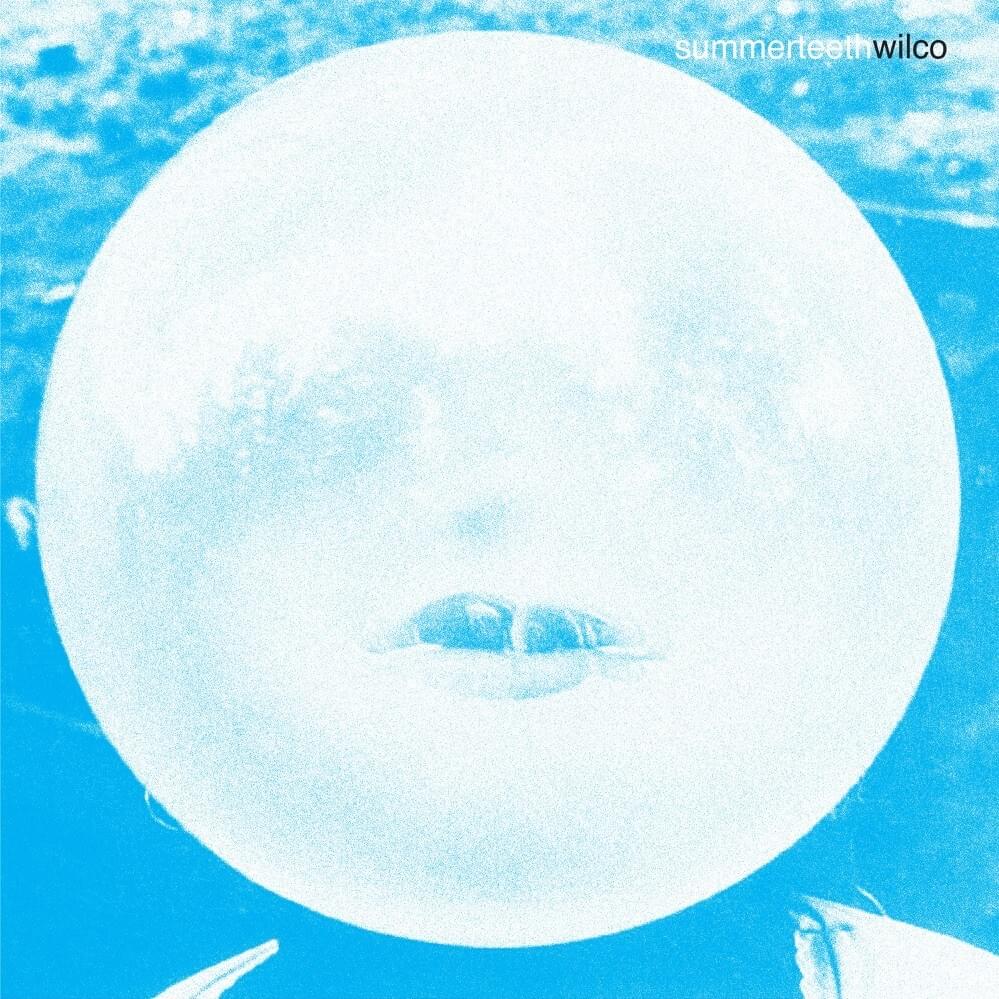
 View Artist