Song Meaning
The narrator is in deep distress, pleading for guidance from deceased family members. The repeated pleas to "mama," "daddy," "granddaddy," "granny," "Great Uncle," and "Aunt Avis" paint a picture of someone lost and desperate for moral direction. The core struggle seems to be an internal battle between knowing what is right and succumbing to impulses, a conflict captured in the lines "How to remember how to be good / How to continue when I feel I really shouldn't."
The lyrics highlight a profound sense of moral failing and a desperate need for external validation and instruction. The narrator feels they "have grinned" and are "goin'" somewhere bad, needing help to "be good" and "continue" when their own feelings urge them otherwise. This isn't just about making a mistake; it's about a fundamental inability to adhere to a moral compass, requiring intervention from figures who represent wisdom and authority from beyond.
The imagery of "ageless chalk" on a "cloudy retina" is particularly striking, suggesting a desire for ancient, indelible lessons to be etched directly onto their failing perception. The contrast between the spiritual or ancestral pleas and the very physical, almost desperate, act of "scratching it out" emphasizes the urgency and the narrator's feeling of being overwhelmed. The repetition of the central dilemma, with slight variations like "feel I really shouldn't" versus "know I really shouldn't," marks a progression from vague temptation to a more conscious awareness of wrongdoing.
This writing is effective because it taps into a universal human experience of moral struggle and the yearning for guidance, especially during difficult times. The specific, yet archetypal, family figures ground the abstract plea in a relatable, intimate context. The relentless repetition of the core conflict underscores the narrator's obsessive internal debate, making their desperation palpable and their quest for an answer feel urgent and deeply personal.
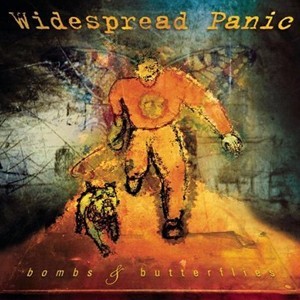
 View Artist