Song Meaning
The lyrics paint a picture of a casual, late-night phone call setting up a spontaneous meet-up. The narrator is on the move, heading to Mantes to see friends before going to Paris, asking if Elliott will be there. There's a sense of immediate plans being made, a vibe of hanging out and catching up.
The conversation quickly shifts to music, specifically "du bon hip-hop mon pote / Les années quatre-vingts." This isn't just background noise; it's presented as a shared passion, a cultural touchstone that apparently shaped their lives, humorously acknowledged as "Celles qui nous ont foutus dans la merde." This implies a deep connection to a specific era of music that carries both nostalgia and a hint of shared struggle or consequence.
The craft here is in the naturalistic dialogue and the abrupt pivot from logistics to shared cultural memory. The use of informal French slang like "oi-m" (moi), "soss'" (soeurs/frères, meaning siblings or close friends), and "Paname" (Paris) grounds the scene in a specific, authentic voice. The humor in the line about the 80s hip-hop is key, suggesting a shared history and a wry understanding of how music can influence life's trajectory.
What makes these lyrics hit is their raw authenticity and the implied intimacy. It feels like eavesdropping on a real conversation, capturing the easy camaraderie and the way shared cultural touchstones can instantly create connection. The brief, almost throwaway mention of 80s hip-hop being responsible for their troubles is a surprisingly potent hook, hinting at a deeper narrative beneath the surface of a simple phone call.
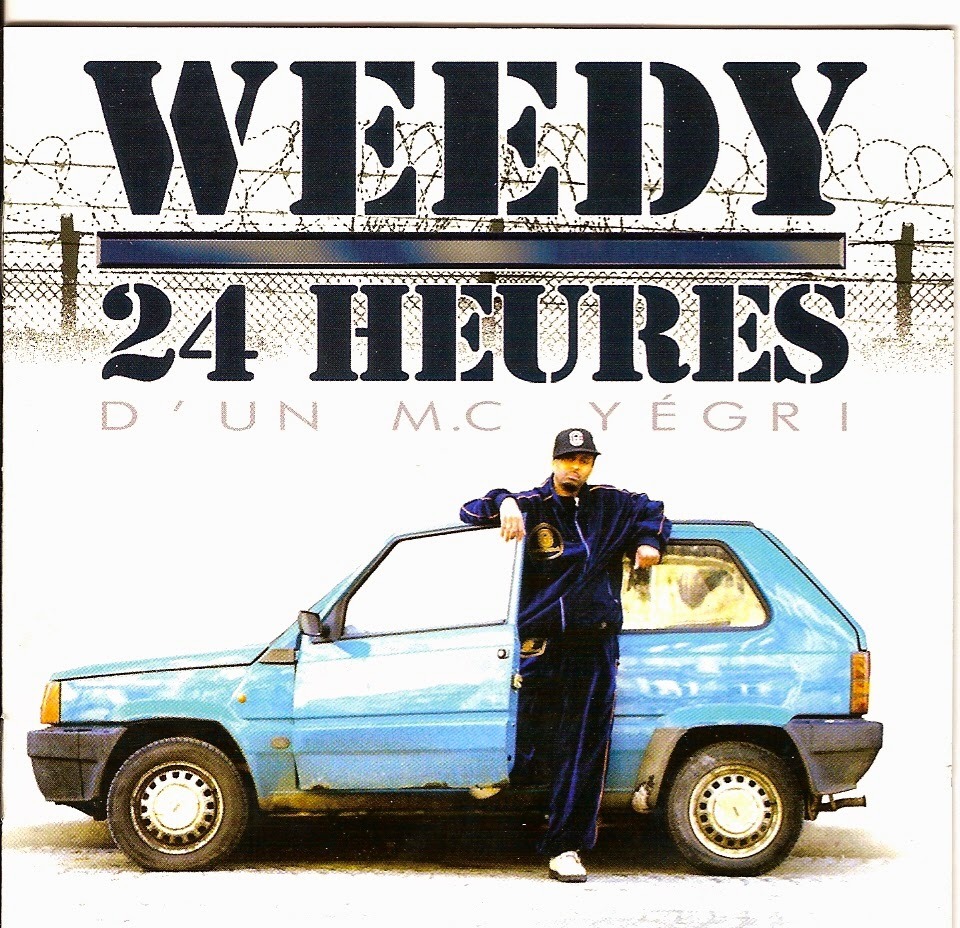
 View Artist