Song Meaning
The lyrics for "Fin du conte" drop us into a casual, post-story conversation. A narrator declares, "Voilà, c'est la fin." But a listener immediately pushes back, finding the tale "pas drôle ton histoire," while the narrator insists, "Moi j'la trouve très drôle." This quick exchange sets a playful, slightly cynical tone.
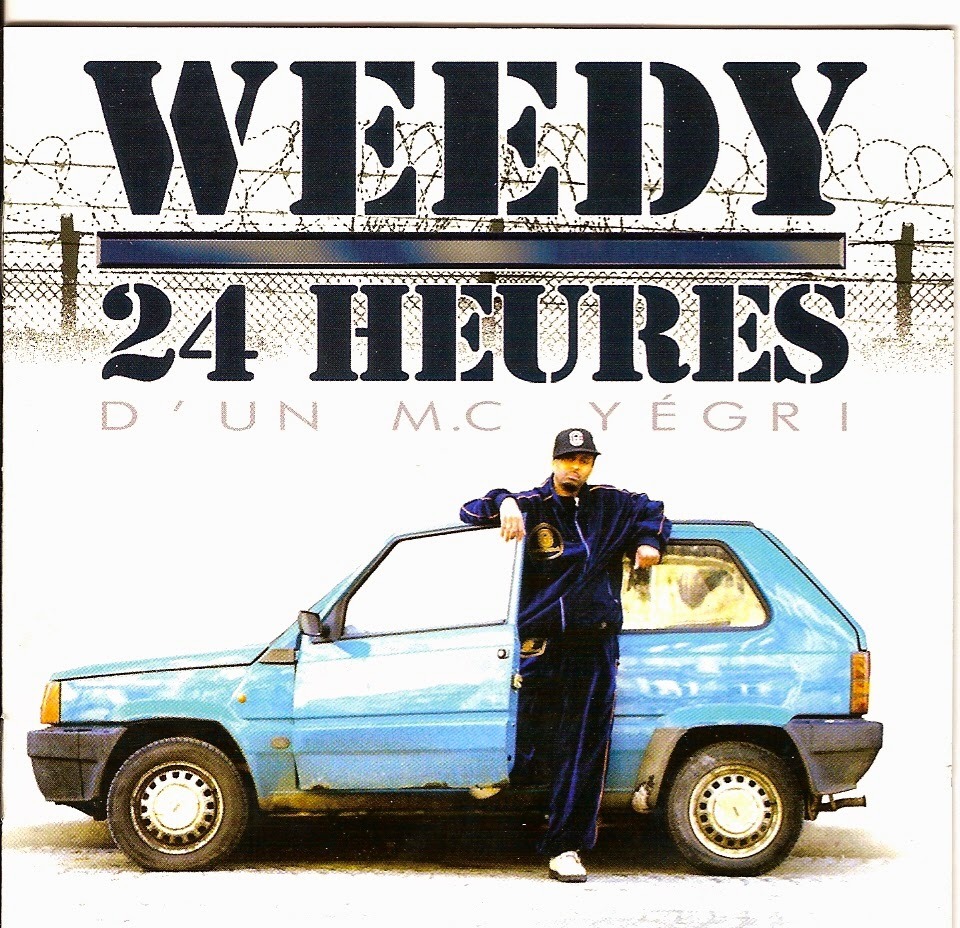
The central tension revolves around Weedy, the story's subject. He manages to secure "assez d'argent pour payer l'huissier," a moment of relief after a struggle. Yet, this victory is immediately undercut: he spends "le reste pour s'amuser." This choice traps him in a cycle, as he "dût répéter... ce genre de journée" numerous times.
The craft here shines through its dialogue-driven structure. The rapid-fire exchange between the storyteller and listeners creates an intimate, unvarnished feel. The blunt, colloquial judgments from the listeners – "Il est gue-din ce Weedy" and "Il est con, même" – add a raw, unfiltered layer of opinion, making the conversation feel incredibly authentic.
These lyrics resonate because they subvert the very idea of a story's end. Instead of a tidy resolution, Weedy's fate is a self-imposed, endless loop. The candid, contrasting reactions to his predicament make this cyclical outcome feel both darkly humorous and starkly real, leaving the listener to ponder the consequences of immediate gratification.
 View Artist