Song Meaning
The lyrics paint a disorienting picture of a dreamlike state, where the narrator experiences a bizarre and overwhelming visual hallucination. The initial lines establish a sense of movement and confusion, "Daqui pra li / Passamos de lá pra cá," before introducing the central, surreal image: "elefantes em batalhão." This sets a tone of unease, amplified by the narrator's direct admission of fear: "Que pavorosa impressão."
The core of the experience seems to be a distorted perception of reality, where ordinary things transform into monstrous or absurd visions. The narrator sees "minhoca de chapéu" and "micróbio grande assim," culminating in the recurring "elefante multicor." This imagery suggests a mind grappling with overwhelming, perhaps intoxicated, sensations, as the narrator explicitly calls it "Meu sonho maldito de embriaguez."
The craft here lies in the relentless repetition and escalation of the elephant motif, transforming it from a mere image into an oppressive force. The narrator counts them: "Um elefante, dois elefantes / Três e quatro, seis e dez," and describes them as being "em profusão." This numerical increase, coupled with the "multicor" (multicolored) description, creates a sense of an uncontrollable, vibrant, yet terrifying invasion of the senses, akin to a fever dream.
Ultimately, the effectiveness of these lyrics stems from their ability to evoke a visceral feeling of being trapped in a chaotic mental landscape. The contrast between the mundane act of counting and the bizarre subject matter – multicolored elephants and giant microbes – creates a potent sense of psychological distress. The simple, declarative statements about seeing these things, combined with the repeated exclamations of "Que sensação," underscore the raw, immediate impact of the hallucination on the narrator's psyche.
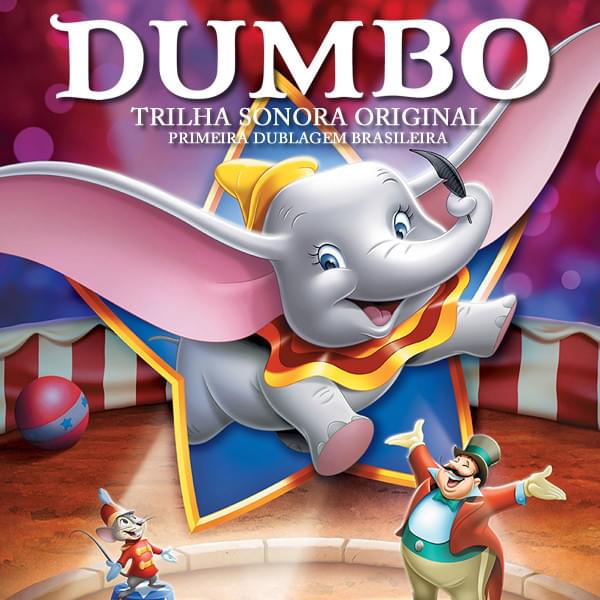
 View Artist