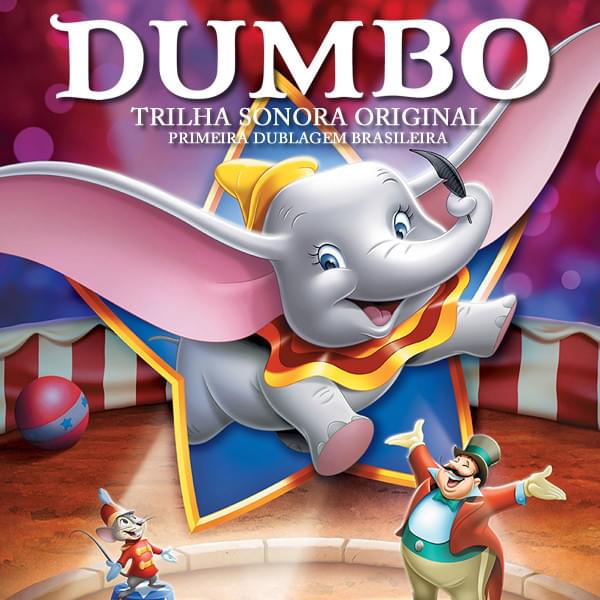
Song Meaning
The lyrics paint a simple, charming picture of a stork arriving to deliver a baby. It establishes a universal, almost magical premise: the stork comes for everyone, regardless of background or location, bringing a "lindo neném" (beautiful baby) "pela chaminé" (through the chimney). This initial image sets a tone of gentle inevitability and equal opportunity for new life, suggesting that the arrival of a child is a natural event that transcends social or geographical divides.
The core idea revolves around the stork as a benevolent, impartial bringer of life, emphasizing its consistent role for "todos" (everyone). The lyrics repeatedly state that the stork "sempre traz" (always brings) a baby, and that "o dia há de chegar" (the day will come) for "você" (you) too. This reinforces the notion that the timing is predetermined and inevitable, with the stork knowing "quando é tempo de mandar" (when it's time to send).
The most striking aspect is the expansion of this concept beyond humans to the animal kingdom. The narrator notes that the stork delivers to "todos animais, do rato até o leão" (all animals, from the rat to the lion), and to "gato e elefante." This broadens the scope of the stork's benevolent mission, framing the arrival of offspring as a fundamental, natural process that applies universally across all living beings, presented without "atrapalhação" (hindrance).
Ultimately, the effectiveness of these lyrics lies in their straightforward, almost childlike depiction of a profound event. By personifying the stork as a reliable, impartial deliverer and extending its reach to all creatures, the song creates a comforting and magical narrative around birth. It suggests a natural order where new life arrives precisely when it should, a notion that feels both whimsical and reassuring.