Song Meaning
The lyrics paint a picture of a relationship teetering on the edge, marked by deception and a desperate attempt at connection. The narrator observes a pattern of change in the other person, noting how their "things you sing" can shift their perspective "like dark to day." Yet, this transformation is shadowed by "your lies will play," suggesting a fundamental dishonesty that threatens to push them apart. The recurring phrase "Till you're away / But never too far" establishes the central tension: a constant push and pull, a fear of complete abandonment coupled with an acknowledgment of distance.
The core conflict seems to stem from the narrator's internal struggle to reconcile the other person's potential for change with their present untrustworthiness. The narrator questions if their own affirmation – "I wasn't wrong to choose you" – offers solace or merely prolongs the inevitable separation. The phrasing "Tomorrow brings another way / To loose you?" carries a heavy weight, hinting at a cyclical pattern of hope and impending loss, where even positive affirmations might be a prelude to further disconnection.
A striking aspect of the craft is the juxtaposition of hopeful imagery with underlying doubt. The narrator's commitment to "try to cield enough to rhyme / Your changing life" and "try to do much better yet / With what I get" reveals a persistent effort to adapt and improve within the relationship. However, these efforts are framed by "wondering sense of time" and "slipping sort of step," suggesting a precarious foundation and a lack of firm ground. This careful balance between aspiration and instability makes the narrator's position feel deeply vulnerable.
Ultimately, the effectiveness of these lyrics lies in their raw portrayal of emotional uncertainty. The narrator isn't offering grand pronouncements but rather a series of observations and tentative questions, mirroring the hesitant nature of their own hope. The repeated cycle of "day to day" and the subtle shift from "change your way" to "your changing life" underscore a relationship in flux, where the possibility of positive transformation is constantly undermined by the fear of being left behind, even if only "never too far."
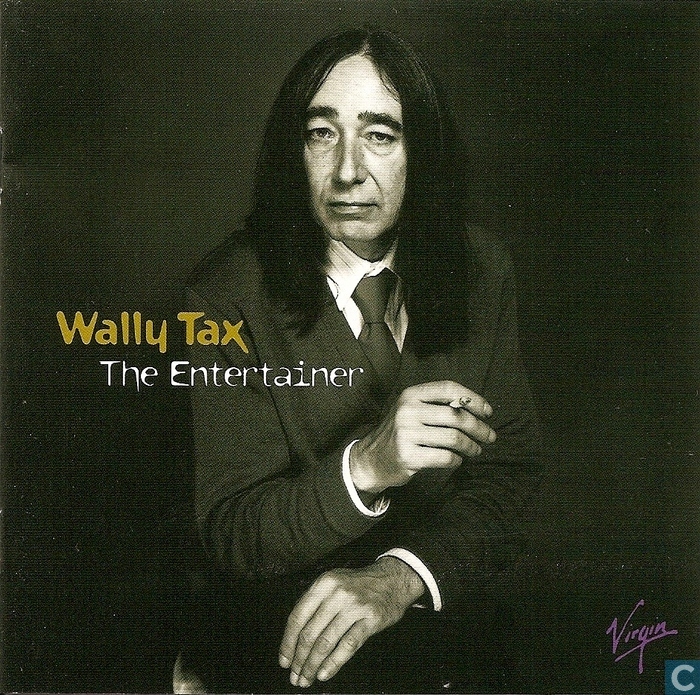
 View Artist