Song Meaning
The narrator opens with a stark declaration: "It ain't no use," immediately establishing a tone of weary resignation. This isn't just a bad day; it's a pervasive "blues" that the speaker invites us to understand by metaphorically walking "a mile in my shoes." The core of this feeling seems to stem from a specific relationship, as the narrator admits, "Baby, since I met you," their current state of confusion and inaction began. The repeated phrase "It ain't no use" acts as a refrain of helplessness, underscoring the futility felt in the current situation.
The central tension arises from a desperate plea for reciprocation, framed by a peculiar sense of self-absolution. The narrator insists, "It's not my fault" and claims "no-one I can blame," yet immediately contradicts this by admitting, "the things I do / Kind of make me feel ashamed." This internal conflict highlights a struggle between external circumstances and personal agency, particularly in the context of unrequited affection. The plea "Baby, please set me free / Or fall in love with me" encapsulates this bind: escape from the pain or the fulfillment of desire, with no middle ground.
The most striking aspect of the writing is this persistent, almost defiant, assertion of innocence juxtaposed with admitted shame. The lyrics present a circular logic where the speaker feels blameless for their actions, even as those actions lead to shame and a sense of being trapped. The repeated desire for the other person to "fall in love with me" becomes a desperate, almost obsessive, refrain, amplifying the feeling of being stuck in a loop of longing and self-recrimination. This creates a powerful portrait of someone caught between wanting to be free of their feelings and wanting those feelings to be returned, unable to reconcile the two.
Ultimately, the effectiveness of these lyrics lies in their raw, unvarnished portrayal of emotional paralysis. The simple, direct language and the insistent repetition of key phrases like "It ain't no use" and "It's not my fault" mirror the speaker's own stuck mental state. The contrast between claiming no blame and feeling ashamed creates a relatable, albeit painful, human paradox. The song resonates because it captures that specific, agonizing moment when desire and despair collide, leaving the narrator pleading for any resolution, even one that brings more pain.
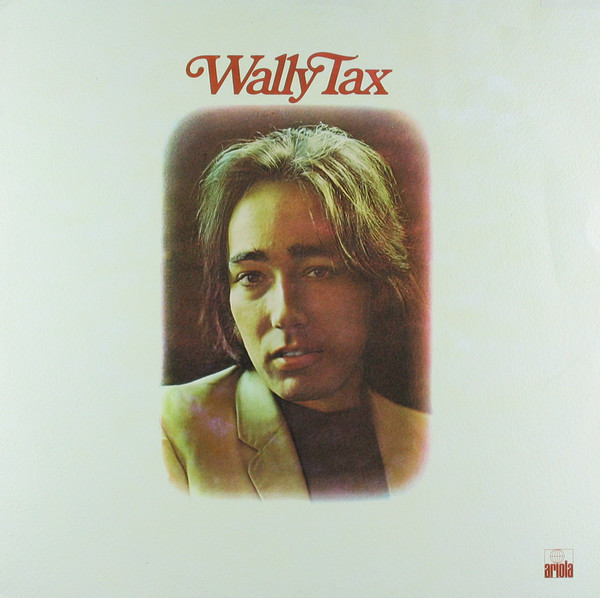
 View Artist