Song Meaning
Volkan Konak's "Oyalı Çember" unfolds as a raw, almost primal expression of loss and existential questioning, filtered through the lens of Turkish folk tradition. The opening lines, repeating the phrase "Vuruldum çemberine da / Çemberinin yazına" (I'm struck by your circle/ the summer of your circle), immediately establish a cyclical, inescapable feeling, perhaps alluding to fate or a defining relationship. The 'circle' itself, embellished ('oyalı' translates to 'ornamented'), suggests something precious and carefully crafted, now a source of pain. The subsequent lines, "Acaba gider miyim / Yarimin yasına" (I wonder if I'll go / to my lover's mourning), introduce the core theme: grief and the speaker's uncertain path through it. This isn't just sadness; it's a profound questioning of whether he can even *reach* the depths of mourning required by the loss.
The imagery becomes more poignant with the verse about the silk handkerchief: "İpek mendil çubuğumu da / Yıkadım kırışmıyor" (My silk handkerchief / I washed it, it doesn't wrinkle). A silk handkerchief, a delicate object, is meticulously cared for, yet this carefulness is futile against the underlying sorrow. The following lines, "Yarin bende resmi var / Gülüyor konuşmuyor" (I have a picture of my lover / Smiling, not speaking), are devastating in their simplicity. The photograph, a static representation of a vibrant person, underscores the permanence of the loss. The smile, once a source of joy, now serves as a constant, silent reminder of what's been taken.
The final verse shifts to a more philosophical, almost accusatory tone. The lines "Fındık çubuğu gibi da / Dalsız değildim dalsız" (Like a hazelnut branch / I wasn't without branches) suggests a past full of potential and connection. This makes the lament that follows all the more heartbreaking: "Niye doğurdun beni / Anacığım ikbalsız" (Why did you give birth to me / Mother, without fortune?). This isn't just about the loss of a lover; it's a questioning of the speaker's entire existence, a feeling of being born under an unlucky star. The repetition, addressing both 'anacığım' (mother) and 'neneciğum' (grandmother), amplifies the sense of intergenerational sorrow and the weight of fate. In essence, "Oyalı Çember" is a powerful meditation on love, loss, and the search for meaning in the face of overwhelming grief.
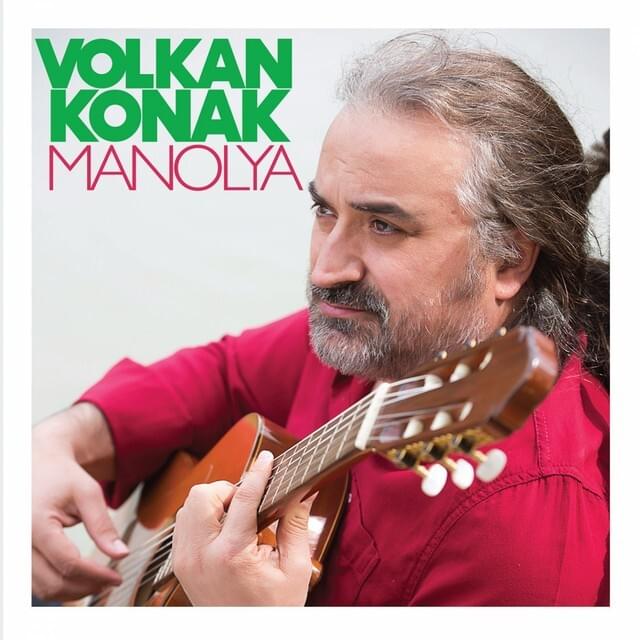
 View Artist