Song Meaning
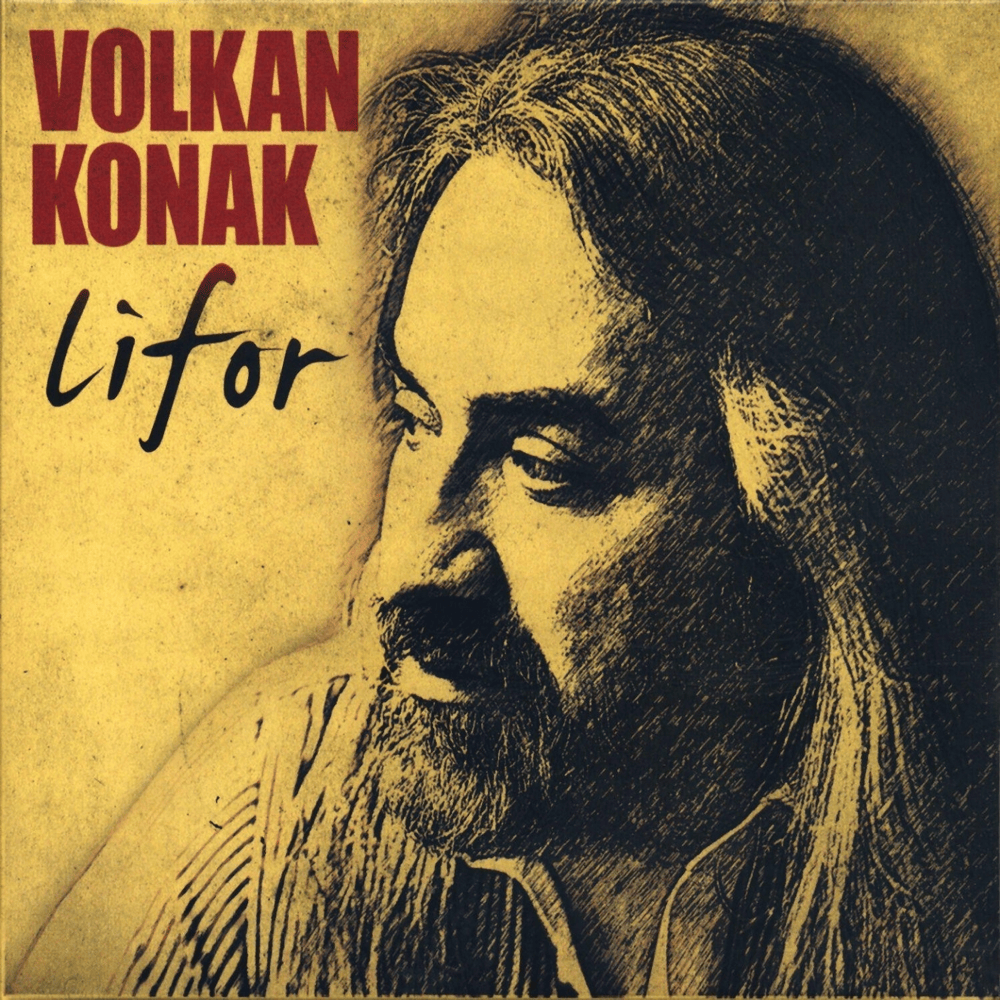
Volkan Konak's "Aşkın Beni Deleyledi" is a raw, almost primal scream from the depths of love's destructive power. The song's meaning hinges on the repeated, almost desperate pleas – "Yar beni beni beni, Sor beni beni beni, Sar beni beni beni, Al beni beni beni" – which translate to variations of "Beloved, me, me, me; Ask for me, me, me; Embrace me, me, me; Take me, me, me." This insistent repetition underscores a profound yearning, a desperate need for connection and validation in the face of overwhelming emotional turmoil. The lyrics paint a picture of love as an all-consuming force. "Aşkın beni deleyledi, Yaktı yıktı kül eyledi, Bir zalime kul eyledi" – Love has pierced me, burned me, destroyed me, turned me to ash, enslaved me to a tyrant. This is not gentle affection; it's a love that obliterates, leaving the singer utterly vulnerable.
The song's power lies in its stark simplicity. Konak doesn't offer flowery metaphors or complex narratives. Instead, he strips the experience of love down to its most essential elements: pain, longing, and a desperate clinging to the object of affection. The plea to "find the one who offers remedy to pain" hints at a search for healing, a yearning for solace in the wake of love's destructive path. This search leads to finding a ruin, alone. The allusions to figures like Mecnun (a symbol of obsessive love), Yunus (a mystic), and Eyüp (Job, known for his suffering) further amplify the song’s exploration of profound emotional and spiritual trials.
Ultimately, "Aşkın Beni Deleyledi" is a portrait of love as both a destructive and transformative force. It acknowledges the pain and devastation that love can inflict, while simultaneously clinging to the hope of redemption and connection. The repeated entreaties are not just pleas for affection; they are a testament to the enduring human need for love, even in its most agonizing forms. Volkan Konak gives voice to the paradox of love, the way it can simultaneously elevate and destroy us, leaving us forever changed in its wake.
 View Artist