Song Meaning
The lyrics paint a stark contrast between an idealized, perhaps prosperous, setting and an underlying current of dread. The opening lines juxtapose an endless night with marble pillars, suggesting a superficial beauty that doesn't quite mask a deeper unease. This is immediately undercut by the observation that "water tastes like water, but blood is thicker," a visceral image hinting at fundamental differences and perhaps a more potent, dangerous reality beneath the surface. The abundance of a "fir forest" and "plenty" in the second verse only serves to highlight the presence of "illnesses like fear" on the other side, emphasizing that material wealth doesn't eliminate existential anxieties.
The central tension seems to revolve around a perceived security that is ultimately fragile. The chorus declares that "lack, worry / don't bother" and that "one's own take care of their own," implying a self-sufficient, perhaps insular, community. This is further reinforced by the line, "And no longer the other side / celebrates its victory in this time." This suggests a victory over an external threat or rival, but the preceding verses imply that the true battle might be internal or existential, not easily won by communal strength alone.
The most striking element is the recurring motif of "water you fear." This water is presented as something that "lasts in the wedding chalice," linking it to commitment, vows, and perhaps the sacredness of union. Yet, it's also the water that is feared, suggesting that the very things meant to bind and sanctify are also sources of dread. The pre-chorus, "Then I knew... then I knew, what separates us," directly precedes this, implying that this feared water is the very thing that defines the divide, the unspoken truth that creates separation, even within supposed unity.
This lyrical construction is effective because it grounds abstract fears in concrete, albeit symbolic, imagery. The contrast between outward prosperity and inward sickness, and the unsettling connection between vows and dread, creates a potent emotional resonance. The repeated phrase "water you fear" acts as a haunting refrain, leaving the listener with a sense of unresolved tension and the unsettling idea that what we are meant to embrace can also be the source of our deepest anxieties.
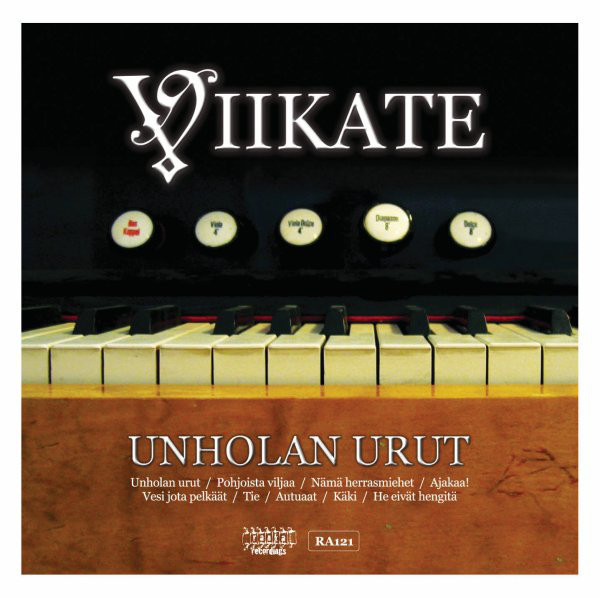
 View Artist