Song Meaning
The lyrics paint a stark picture of a harsh, unforgiving environment where things are not right. There's a pervasive sense of weariness, with one person struggling and another barely managing. The imagery of a wolf howling at the moon contrasts with the absence of gentle morning dew, suggesting a world devoid of natural softness and renewal. This feeling is amplified by the narrator's contemplation of the south, where winters aren't as severe and the sun doesn't hide in shame, highlighting a longing for a less brutal existence.
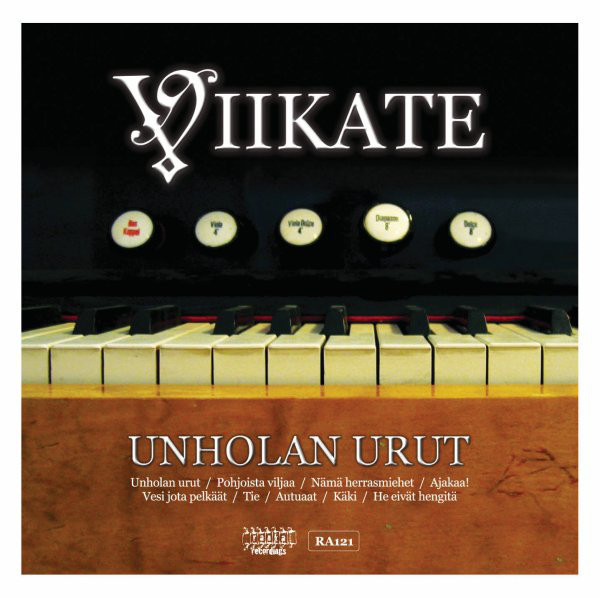
The central tension lies in the struggle against this difficult reality, encapsulated by the phrase "Vaan mepä käydään tuulta kylväen" – essentially sowing the wind. This act of futility is directly linked to "Pohjoista viljaa taitetaan," which translates to "Northern grain is being folded/bent." It implies a constant, perhaps losing, battle against the elements or circumstances in this northern land, where even the signs of spring, like buds, remain dormant. The inability to achieve forgiveness or understanding, even through shouting, underscores the deep-seated disconnect and hardship.
The most striking craft element is the juxtaposition of natural imagery with human struggle. The "haaskalinnut saalistaa" (scavenger birds prey) in the bridge directly follows the idea of "Pohjoisen ikuisuuden" (Northern eternity), suggesting that this harshness is perpetual and predatory. The repeated phrase "Pohjoista viljaa taitetaan" acts as a grim refrain, emphasizing the ongoing, perhaps futile, effort to manage or survive in this challenging northern landscape. The lyrics suggest that even desperate cries can't break through the stasis, leaving the narrator and others to continue their Sisyphean task.
This lyrical approach is effective because it grounds abstract feelings of hardship and futility in concrete, often bleak, natural imagery. The contrast between the expected cycles of nature (like spring arriving) and the reality of stagnation ("silmut ne meilla silmuiksi myös jää" - buds remain buds) creates a powerful sense of despair. The relentless repetition of the central action, "Pohjoista viljaa taitetaan," hammers home the feeling of an unending, difficult struggle against an unyielding environment, making the listener feel the weight of this northern existence.
 View Artist