Song Meaning
The lyrics paint a stark picture of flight and desperation, opening with a mother urged to wake and tend to her crying, hungry, and sleepy child. This immediate domestic scene is violently interrupted by the need to flee their village, driven by the chilling phrase "Que nos lu quieren matar" – they want to kill him. The narrator's fierce possessiveness, "Y yo nun quiero perderlo," underscores the profound personal stake in this escape.
This urgency is amplified by the child's divine significance: "Ye fiu mío, y fiu de dios / Y vien a enséñanos un mundo mejor." This elevates the flight from a mere parental act to a mission of immense consequence, a desperate attempt to protect a savior figure. The contrast between the child's promised "mundo mejor" and the immediate, brutal reality of "matar" creates a palpable tension.
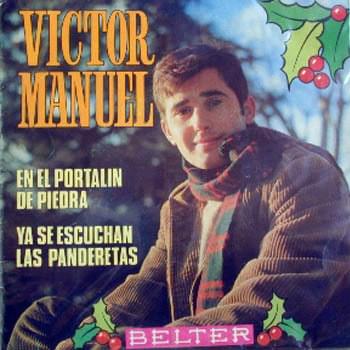
The recurring image of "el portalín de piedra" where "taben María y Jose" grounds the narrative in a familiar, almost biblical tableau, yet imbues it with raw anxiety. The repeated description of "María llorando" and "nervioso José" strips away any idealized serenity, revealing the human fear behind the sacred figures. The practical, urgent tasks – "Saca un pañal de la cesta / Y lávame esti en el río" – highlight the immediate, physical demands of their perilous journey.
The lyrics' power lies in this juxtaposition of the divine and the deeply human, the sacred mission and the primal fear of loss. The simple, direct language, coupled with the relentless forward motion of "vamos marchar" and "vámones lejos," captures the raw, unvarnished terror of parents protecting their child against a mad, irrational threat, embodied by "hérodes ta llocu y nun tien razón."
 View Artist