Song Meaning
The lyrics paint a poignant portrait of an aging grandfather, seated contemplatively at his doorway, a forgotten cigarette between his lips. His worn hazelnut stick, a symbol of his past, evokes memories of a clear mind, perhaps a lost spring, the scent of damp gunpowder, or the taste of coal dust from his days as a miner. The recurring refrain, "El abuelo fue picador, allá en la mina; Y arrancando negro carbón quemó su vida," anchors this image in a life spent toiling underground, a life consumed by the very black coal he extracted.
His current posture on the stairs, waiting for the dawn's warmth, suggests a quiet resignation and a deep connection to the natural world, specifically the mountain he gazes at, described as his "most faithful friend, it never deceives him." This contrasts sharply with the harsh, deceptive environment of the mine. The trembling hand reaching for tobacco and his small book hints at routine and perhaps a touch of forgetfulness, as he murmurs that Maria is hiding his tobacco, a gentle, familiar accusation.
The craft here is subtle but effective. The imagery of the "nervous hazelnut stick" and the "damp gunpowder" evokes a sense of past action and danger, now softened by time and distance. The repetition of the grandfather's past profession serves as a somber counterpoint to his present stillness, emphasizing the physical toll of his labor. The mountain, a constant and unchanging presence, offers a stark contrast to the fleeting nature of human life and memory.
Ultimately, these lyrics resonate because they capture a universal feeling of looking back on a life of hard work and facing the quiet twilight years. The specific details – the unlit cigarette, the hazelnut stick, the mountain – ground the emotion in a tangible reality, making the grandfather's reflections feel deeply personal yet broadly understood. The writing doesn't force sentimentality; it allows the quiet dignity of the scene and the weight of the past to speak for themselves.
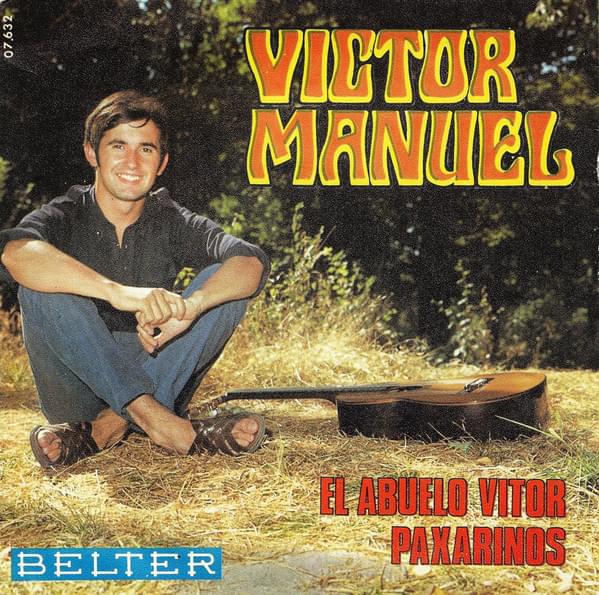
 View Artist