Song Meaning
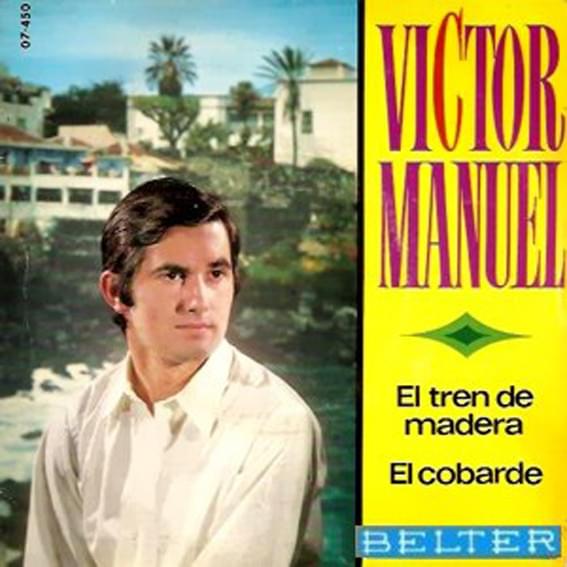
This song paints a vivid picture of a slow, aging train carrying hopeful passengers toward the city. It’s packed to the brim, with one car seemingly for the wealthy and two others overflowing with common folk and their provisions. The destination is the San Juan fair, a place of potential fortune and escape.
The central tension lies between the train's decrepit state and the passengers' fervent aspirations. The lyrics highlight this contrast: "Ese tren tan viejo que no puede andar" (That old train that can't move) is juxtaposed with the "ilusiones" (illusions/hopes) it carries. The journey itself, marked by a "túnel largo que no tiene fin" (long tunnel that has no end), suggests a difficult, perhaps uncertain, path toward their goals.
The imagery of the overflowing wagons, especially the distinction between the rich and the others, underscores a social hierarchy even on this humble mode of transport. The specific characters mentioned – a "cura gordo" (fat priest) and a "guardia civil" (civil guard) – add a touch of everyday reality, while the "brava moza" (brave young woman) explicitly states her ambition: "Buscará trabajo en la gran ciudad" (She will look for work in the big city).
This writing effectively captures the bittersweet nature of pursuing dreams. The old train, a metaphor for the arduous and perhaps outdated means by which people chase opportunity, carries a heavy load of hope. The lyrics resonate by grounding these universal desires in concrete, relatable details of a specific, albeit imagined, journey.
 View Artist