Song Meaning
The lyrics paint a picture of a relationship crumbling, marked by a sense of betrayal and confusion. The opening lines, "Colpa mia, cosa fai? / Giusto un Bounty e te ne andrai," immediately establish a feeling of being wronged, suggesting a small, perhaps sweet, indulgence leads to an abrupt departure. The narrator feels powerless to stop this, lamenting, "E non riuscirò a prenderti al volo," while predicting the other person will be consumed by their actions, "Sì, vedrai, ti prenderà il suolo."
The core tension lies in the narrator's desperate need for clarity versus the other person's evasiveness and transformation. "Venirne a capo io devo, devo / Parlane almeno se è vero" reveals an urgent desire to understand the situation, especially a potential "rivolta" (revolt) against their connection. This is juxtaposed with the other's change: "Eri ieri un'altra cosa," implying a fundamental shift that confounds the narrator, who feels "confondi" and sees the other person "vai in frantumi" (shatter).
A striking element is the imagery of disorientation and loss of self. The line "Non sai neanche più chi sei" points to a profound identity crisis in the other person, mirrored by the narrator's plea, "Controbilanciami" – a request for stability or balance. The recurring motif of the sun, which is supposed to bring fulfillment ("E ti riempirà anche il sole"), instead becomes a deadline for disaster, as the narrator begs, "Shiva riprendimi / Prima che arrivi il sole," seeking divine intervention before the inevitable end.
This lyrical landscape is effective because it captures the disorienting feeling of watching someone you know disappear into themselves. The fragmented thoughts and desperate pleas create an emotional immediacy, making the narrator's confusion and fear palpable. The blend of everyday actions (eating a Bounty) with cosmic pleas (invoking Shiva) highlights the immense personal stakes of this relational breakdown.
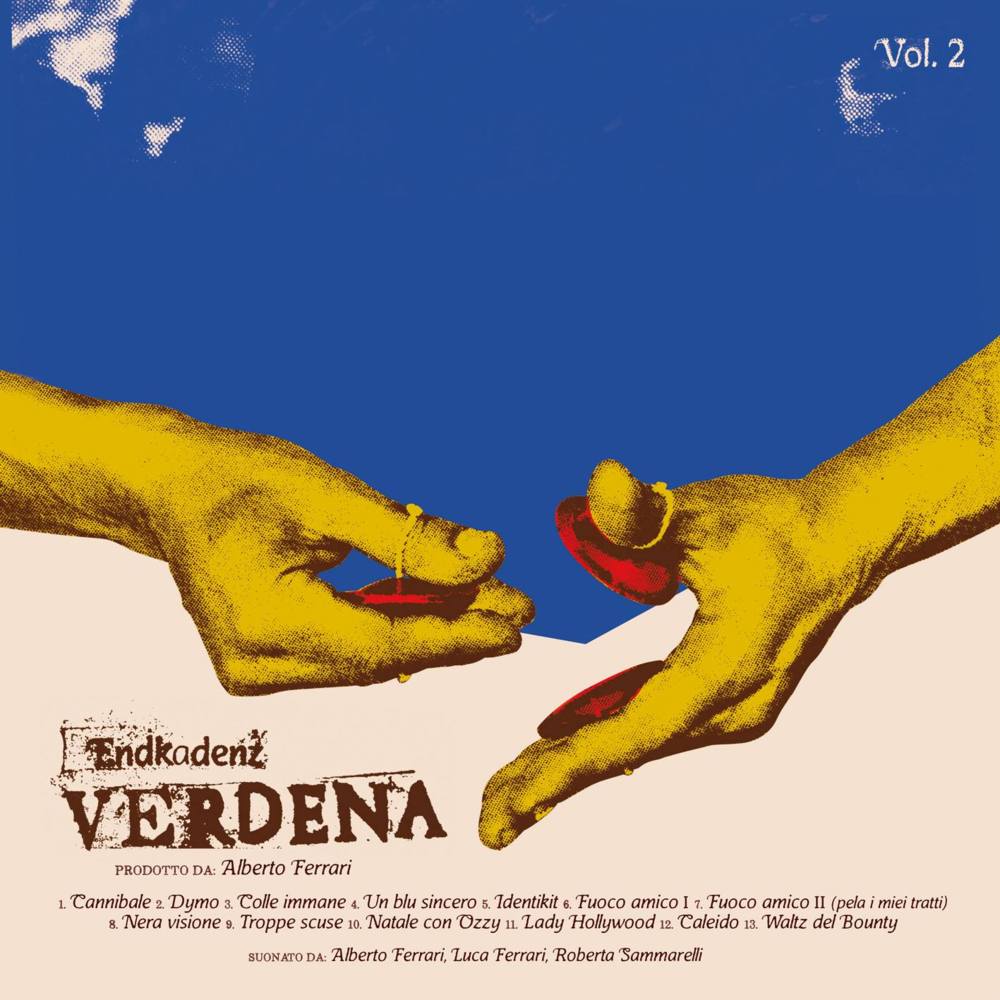
 View Artist