Song Meaning
The lyrics paint a picture of a relationship where the narrator finds solace and stability, even in the other person's absence or rejection. The opening lines, "Sono sveglio o forse no / Ma non m'importa," immediately establish a detached, almost dreamlike state, suggesting the narrator's internal world is largely unaffected by external circumstances, especially when focused on "Tu sei l'unica per me." This focus provides a grounding force, allowing the narrator to be "lento quanto vuoi," indicating a willingness to adapt to the pace of the relationship. The recurring line, "Tu non ti senti più / Così fragile," hints at a protective dynamic, where the narrator's presence or perspective seems to offer the other person a sense of strength.
The central tension lies in the paradox of connection and distance presented in the chorus: "Io con te / Solo che ci sei / Quando non mi vuoi / Io sto bene." This suggests a complex emotional landscape where the narrator's well-being isn't contingent on reciprocation. The phrase "Com'è buio, lo sai / Non ti sbagli mai" implies a shared understanding of difficult truths or emotional darkness, and the narrator's acceptance of this reality. It seems the narrator is comfortable with the ambiguity, finding a peculiar peace in the situation as it is, rather than demanding a different dynamic.
The most striking craft element is the juxtaposition of presence and absence, desire and acceptance. The narrator states, "Io con te / Solo che ci sei / Quando non mi vuoi," highlighting a relationship that exists even when one party is not actively desired. This creates an interesting dynamic where the narrator's own sense of self-worth or contentment is not tied to being wanted. The outro further emphasizes this with "Così vicina a me / Ma così fuori da me," illustrating a profound emotional or psychological distance despite physical or relational proximity, before a sudden shift to "E se mi vuoi / Io volo," indicating that reciprocated desire would lead to an ecstatic release.
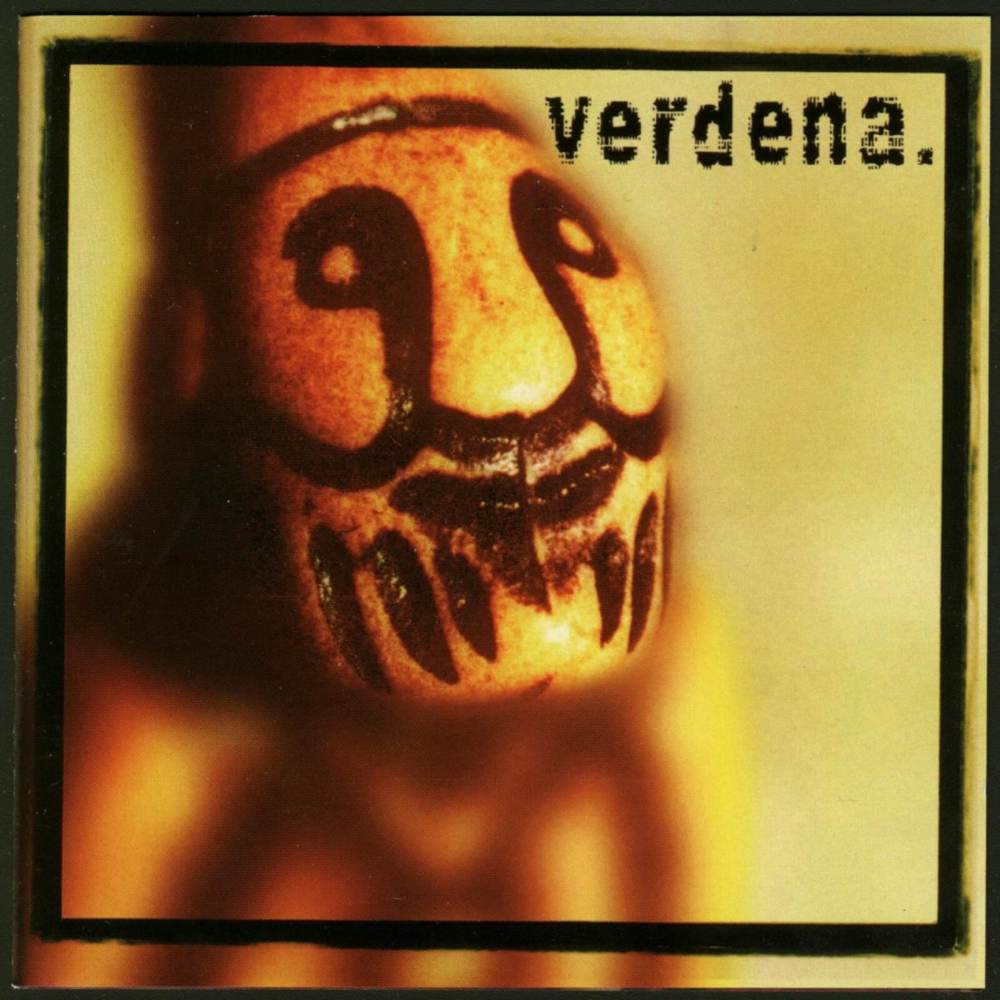
 View Artist