Song Meaning
The lyrics paint a picture of someone teetering on the edge, desperately seeking help but resigned to their fate. There's a palpable sense of dread, with dreams turning black and a refusal to investigate the source of this darkness. The narrator feels spectral, wishing to remain unseen by a looming, perhaps malevolent, presence, even inviting poison. This sets a tone of deep unease and a surrender to whatever is happening.
This unease crystallies into a central tension around a fractured relationship and the concept of 'never.' The narrator questions if love still exists, asking "Mi ami o non più?" repeatedly, suggesting a profound uncertainty. The idea of a 'never that doesn't serve' and 'never that doesn't rise' points to a stagnant, hopeless state, possibly imposed by the other person who is described as a 'limit' and sailing away to 'Miranda,' yet love is paradoxically located where they are.
The recurring phrase "predichi un mai" (you preach a never) and later "mediti un mai" (you meditate on a never) is a striking piece of craft. It highlights the other person's persistent negativity or denial, framing it as a doctrine or a deep contemplation. This contrasts sharply with the narrator's plea for love and their own internal struggle, creating a powerful sense of opposition and despair. The shift to "Hai ragione, ebbene sì" (You're right, well yes) suggests a moment of painful acceptance or perhaps manipulation, where the narrator concedes to the other's perspective as a form of self-defense.
Ultimately, the lyrics resonate because they capture the disorienting feeling of being trapped in a cycle of doubt and negativity, particularly within a relationship. The narrator's internal conflict between seeking love and succumbing to the 'never' preached by another is palpable. The specific, almost surreal imagery, like being poisoned or sailing to 'Miranda,' grounds the abstract emotional pain in concrete, albeit strange, visuals, making the struggle feel intensely personal and unsettling.
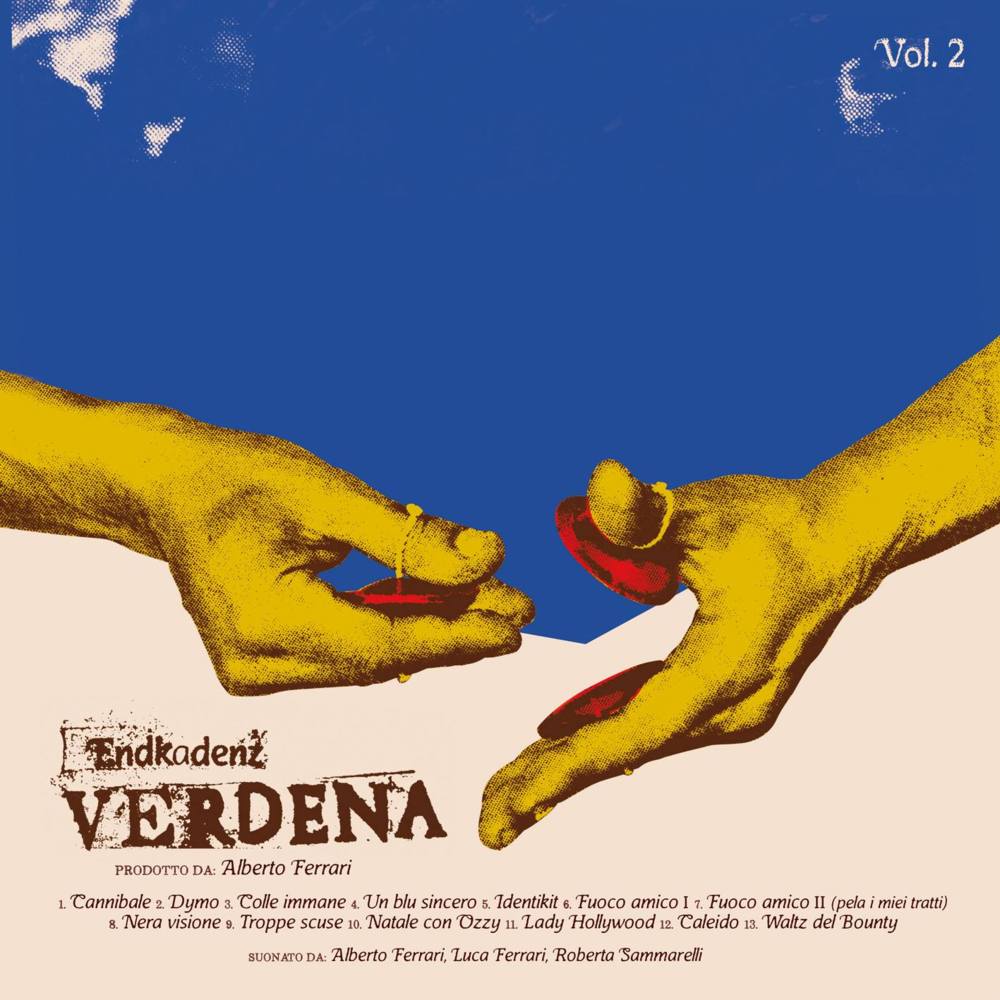
 View Artist