Song Meaning
The lyrics paint a picture of obsessive focus, where the narrator is consumed by a singular person. The opening lines, "Certi magazine / Sono compagni tuoi," immediately establish a sense of superficial connection or perhaps a curated image that the subject presents. This is contrasted with the narrator's internal state, which is far from casual, suggesting a deep, almost all-encompassing fixation that blinds them to anything else. The repeated phrase "Non vedo che te" (I see only you) underscores this singular vision, framing the entire narrative around this intense, almost tunnel-visioned perspective. The narrator seems to be grappling with this all-consuming feeling, questioning their own desires and actions.
There's a palpable tension between the external world and the narrator's internal experience. The subject is described as a "Mistura di nuovo sei" (You are a mixture of new) and someone who "Disturbi e non lo sai" (You disturb and you don't know it), implying an unconscious impact on the narrator. The narrator struggles with their own reactions, admitting "Io mentirei" (I would lie) and "Mi struccherò e di nuovo / Non vedo che te" (I will melt away and again / I see only you). This internal conflict suggests a battle between acknowledging the disruptive presence of the other person and the overwhelming inability to look away, leading to self-recrimination like "Mi odierò" (I will hate myself).
The craft of the lyrics lies in its cyclical nature and stark pronouncements. The repetition of "Non vedo che te" acts as a refrain, reinforcing the narrator's inescapable focus. Phrases like "Mistura d'anarchia" (Mixture of anarchy) and "Storie di maghi" (Stories of magicians) add a layer of surrealism, hinting that the subject's presence is chaotic and perhaps even enchanting. The narrator's self-awareness of their own destructive tendencies, "Mi struccherò" (I will melt away) and "Mi sciupi e mai vedrò" (You spoil me and I will never see), highlights the personal cost of this obsession. The lyrics don't offer resolution, but rather a snapshot of being utterly captivated, to the point of self-neglect.
Ultimately, the effectiveness of these lyrics stems from their raw portrayal of an all-consuming fixation. The narrator's internal monologue, filled with self-doubt and repeated declarations of singular focus, creates a powerful sense of emotional intensity. The contrast between the seemingly casual external presentation of the subject and the narrator's profound internal disturbance is what makes the lyrics resonate. It captures that disorienting feeling when one person becomes the entire world, and everything else fades into insignificance.
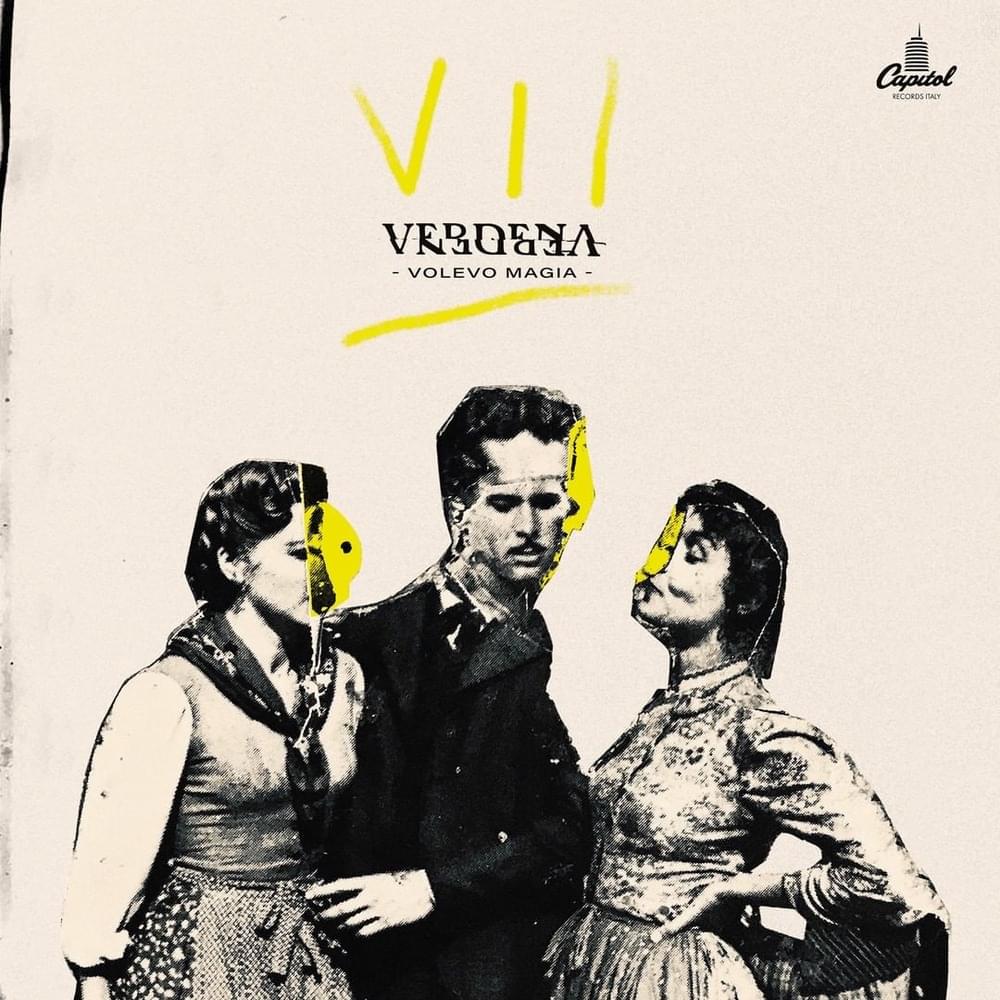
 View Artist