Song Meaning
The lyrics paint a stark picture of absence and internal struggle, opening with the immediate, almost mundane, observation "Lei non è qua" (She is not here). This isn't just about physical presence; it's framed as a "Abitudine" (habit), suggesting a long-standing emotional distance or a recurring pattern of loneliness. The narrator is left with a void, a space where connection should be but isn't.
The core tension arises from the presence of an overwhelming, controlling force, described first as a "mostro" (monster) that "non molla mai" (never lets go) and "Controlla / Ogni cosa" (Controls / Everything). This external or internal entity seems to dictate the narrator's reality, leaving them feeling powerless. This is further complicated by the contradictory presence of "Lei" (She), who "non c'è mai" (is never there) yet "dorme con me" (sleeps with me), paradoxically carrying away "Ogni colpa" (Every guilt).
The most striking craft element is the personification of internal conflict. The "mostro" evolves into a "demone" (demon) that "Conversa con me" (Converses with me), indicating a deeply internalized struggle that has become a constant companion. This demon "Sfreccia su / Fra le nuvole" (Races up / Among the clouds), suggesting a detached, perhaps even grandiose, but ultimately isolating existence. The repetition of "Ogni cosa" and "Ogni colpa" amplifies the pervasive nature of this control and the burden of guilt.
These lyrics resonate because they capture the disorienting feeling of being haunted by something intangible yet all-consuming. The juxtaposition of absence and presence, guilt and absolution, creates a profound sense of unease. The writing effectively uses stark imagery and personification to articulate a complex internal landscape, making the listener feel the weight of this persistent, isolating struggle.
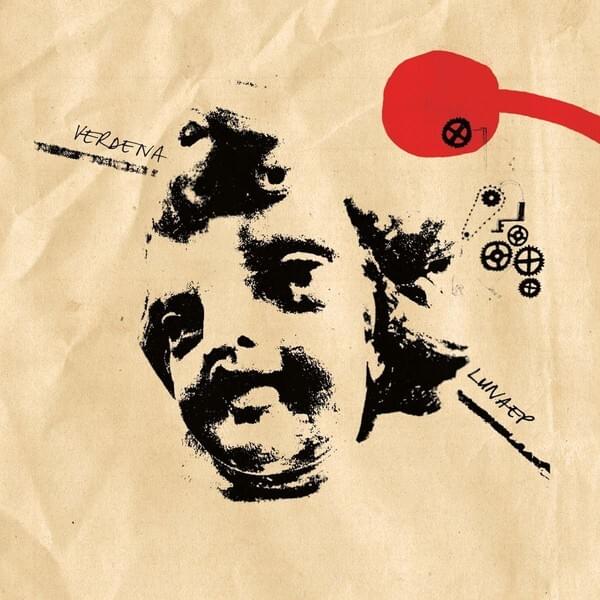
 View Artist