Song Meaning
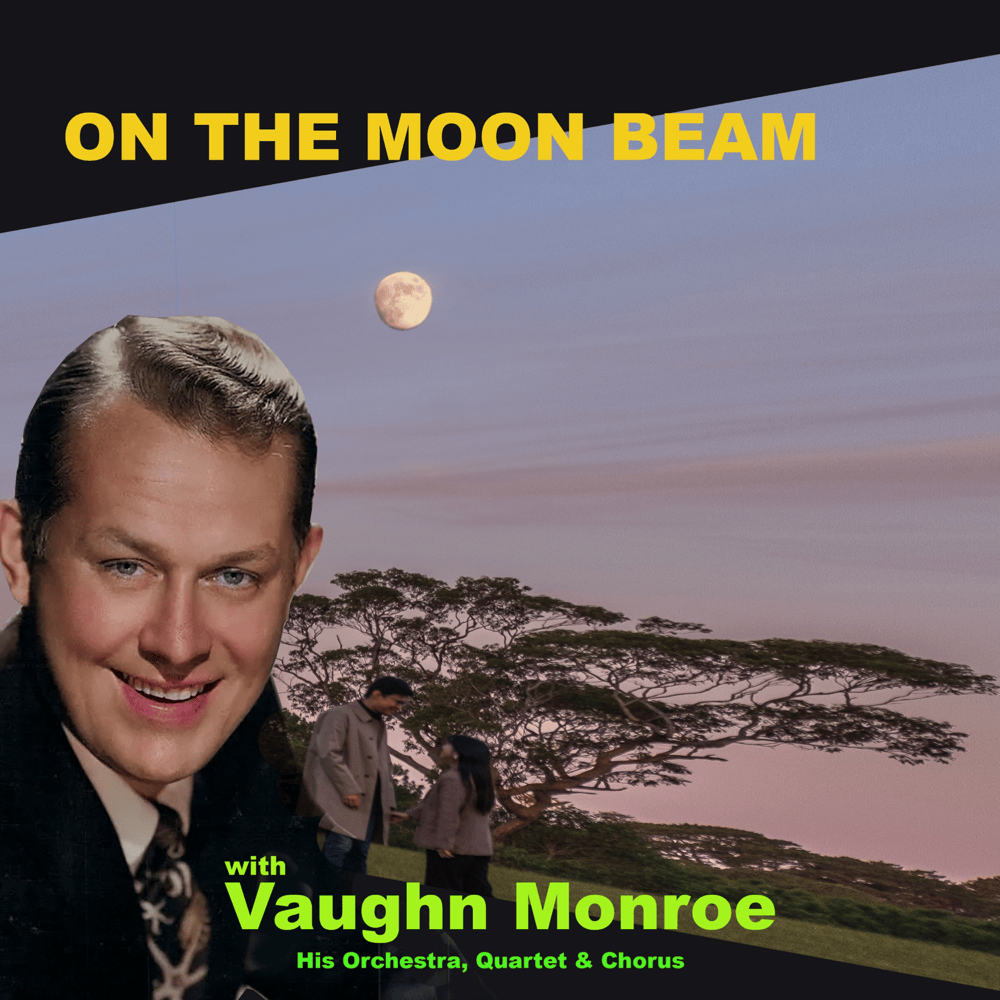
Vaughn Monroe's "Moon Love" isn't just another sentimental ballad; it's a carefully constructed plea against ephemeral affection, a sophisticated exploration of the fear that romance might be nothing more than fleeting infatuation. The song's central metaphor, "moon love," represents a love contingent on circumstance—beautiful and enchanting under the moon's glow, but ultimately insubstantial and destined to vanish with the dawn. Monroe masterfully captures the anxiety of investing emotionally in a relationship that feels too good to be true, a sentiment that resonates deeply even in our cynical age.
The lyrics analysis reveals a speaker caught between desire and apprehension. The repeated questioning – "Will this be moon love? Nothing but moon love?" – underscores the uncertainty plaguing the narrator. He's drawn to the intoxicating allure of the present moment ("Grand when the moon beams"), yet haunted by the prospect of future heartbreak. This push-and-pull is further emphasized in the refrain, a desperate, almost paradoxical request: "Much as I love you, Don't let me love you, If I must pay for your kiss with lonely tears." It’s a raw admission of vulnerability, a preemptive strike against potential pain.
"Moon Love" succeeds because it taps into a universal fear: the fear of being loved conditionally, of being valued only for the fleeting pleasure one provides. The song meaning hinges on this fear, a fear amplified by the knowledge that true connection requires weathering both the light and the dark. The narrator craves reassurance, a promise that the affection is genuine and enduring: "Say it's not moon love, Tell me it's true love, Say you'll be mine When the moon disappears." In essence, Monroe transforms a simple love song into a poignant meditation on trust, vulnerability, and the search for lasting connection.
 View Artist