Song Meaning
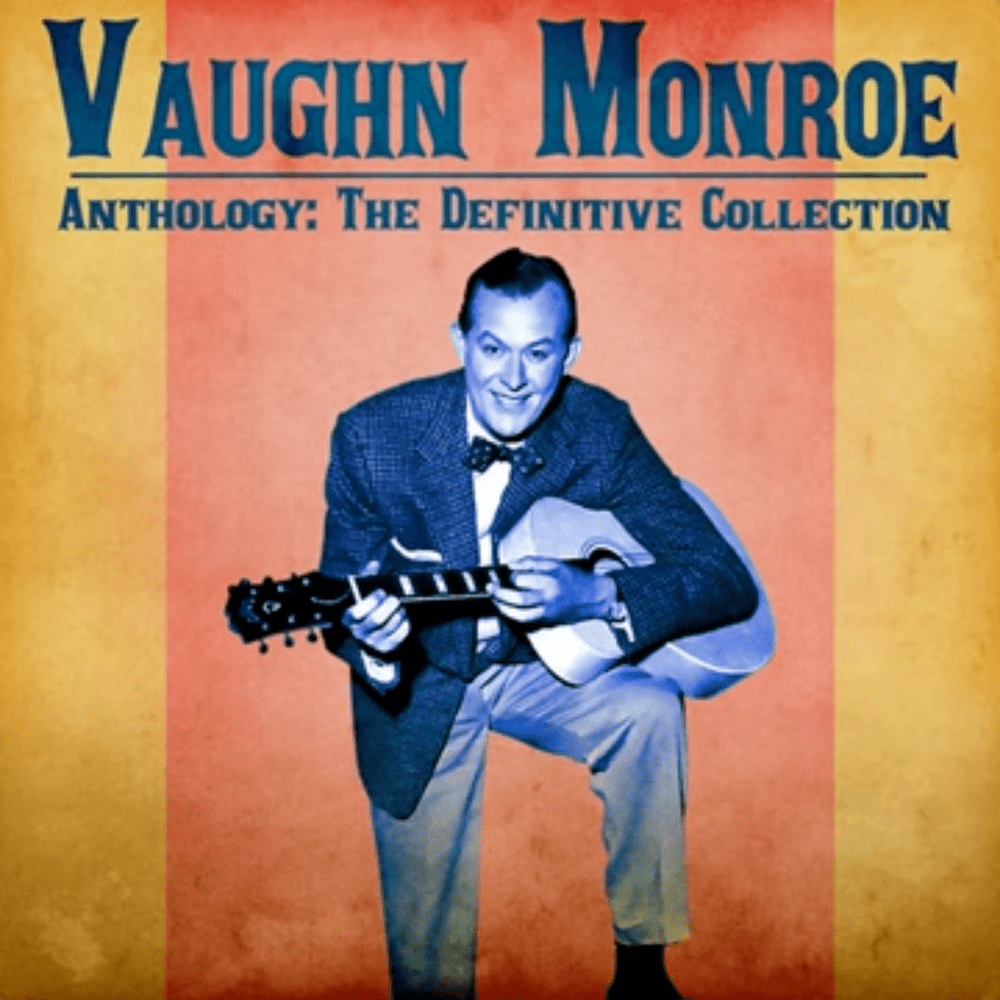
Vaughn Monroe's "Mr. Sandman" isn't just a sweet, sleepy-time request; it’s a concentrated dose of mid-century longing, distilled through the lens of very specific, almost disturbingly perfect, feminine ideals. The song's power lies in its overt simplicity. The narrator, utterly alone, pleads with the Sandman to conjure a dream-woman, less a fully realized person and more a collection of idealized features: a "complexion like peaches and cream," lips of "roses and clover." It’s a beauty standard so meticulously constructed it feels less like genuine desire and more like a product of societal conditioning, a yearning for an image relentlessly pushed by advertising and popular culture. The "magic beam" isn't just about inducing sleep; it's about manufacturing a fantasy. It speaks to the deep-seated loneliness, suggesting a cultural obsession with idealized romance as an escape.
The repetitive chorus emphasizes the cyclical nature of this yearning. The narrator is trapped in a loop of loneliness, constantly seeking solace in a manufactured dream. The instrumental break offers no respite, no alternative reality. It’s just more space for the longing to fester. This isn't simply about wanting a partner; it's about wanting a very specific, almost unattainable image of a partner, dictated by external forces. The song is a fascinating reflection of the post-war era’s anxieties and aspirations, masked in a veneer of childlike innocence.
The brilliance of "Mr. Sandman" is how it subtly hints at the darker undercurrents of societal expectations. The Sandman, traditionally a figure of comfort and sleep, becomes an almost Faustian figure here, offering a dream at a price – the price of conforming to a narrow definition of beauty and love. The song meaning ultimately revolves around the tension between genuine human connection and the alluring, yet ultimately empty, promises of idealized fantasy. Is the narrator truly seeking love, or simply an escape from their loneliness through a culturally-prescribed ideal?
 View Artist