Song Meaning
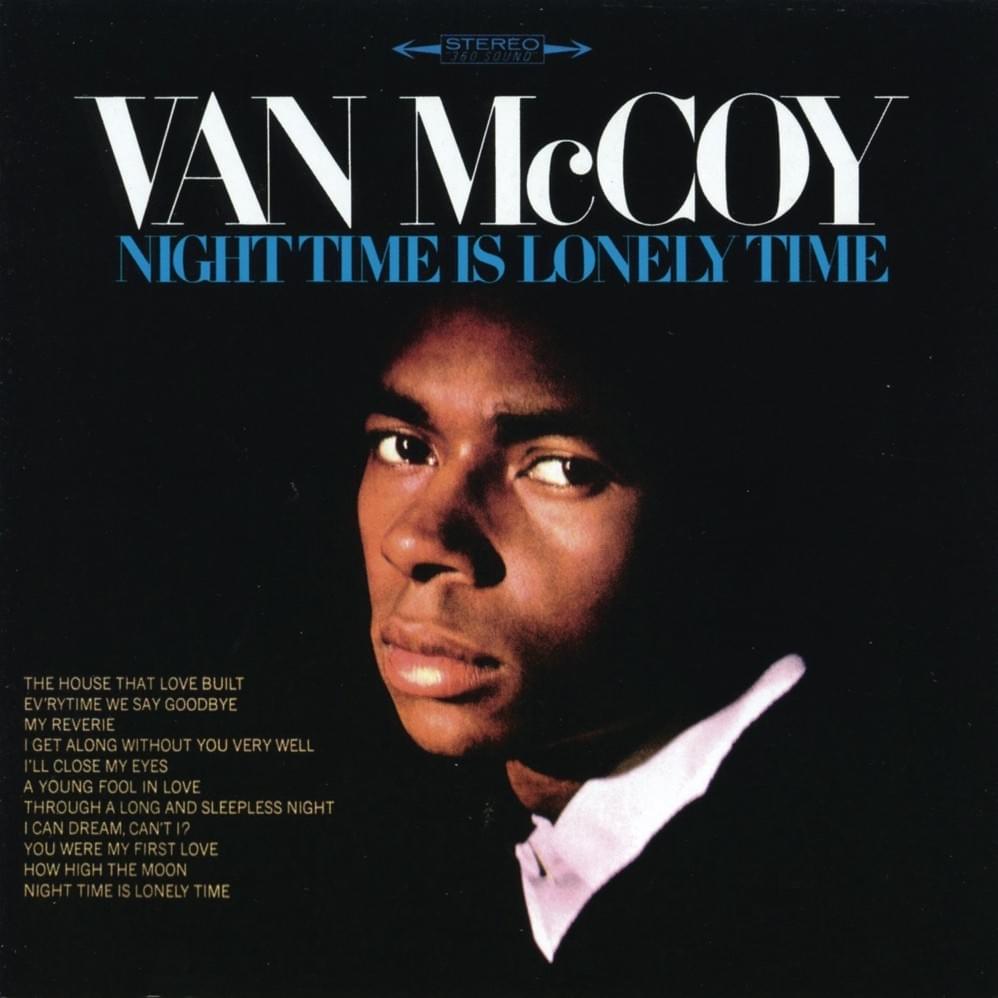
Van McCoy's "I Get Along Without You Very Well" is a masterclass in denial, a poignant exploration of the gap between what we tell ourselves and the ache that lingers beneath the surface. The repeated phrase, "of course, I do," becomes less a statement of fact and more a desperate mantra, a fragile shield against the persistent memories of lost love. The song's brilliance lies in its specificity; it's not the grand gestures of love that undo the speaker, but the small, sensory triggers: soft rain, a familiar name, a laugh that echoes a past intimacy. These are the unassuming assassins of the heart, the reminders that slip past our carefully constructed defenses.
The lyrics meticulously detail the speaker's attempts at self-deception. They've "forgotten you just like I should," yet the mere mention of the loved one's name unravels their carefully constructed composure. The bridge offers a moment of stark self-awareness. The speaker recognizes their own foolishness ("What a guy, what a fool am I"), acknowledging the futility of trying to mask their heartbreak. There's a fleeting temptation to reach out ("Should I phone once more?"), but ultimately, they retreat back into their practiced self-denial, choosing to "stick to my tune" – the tune of feigned indifference.
The final verse underscores the cyclical nature of grief. Even as the speaker insists on their ability to cope, the arrival of Spring, a season of renewal and romance, threatens to shatter their resolve. The acknowledgment that even thinking of Spring could "break my heart in two" reveals the depth of their vulnerability. "I Get Along Without You Very Well" isn't a song about moving on; it's a song about the exhausting, often futile, performance of moving on, the quiet struggle to navigate a world saturated with reminders of what's been lost. The song's understated melody and McCoy's delivery only amplify the quiet desperation simmering beneath the surface, making it a timeless exploration of heartbreak and the human capacity for self-deception.
 View Artist