Song Meaning
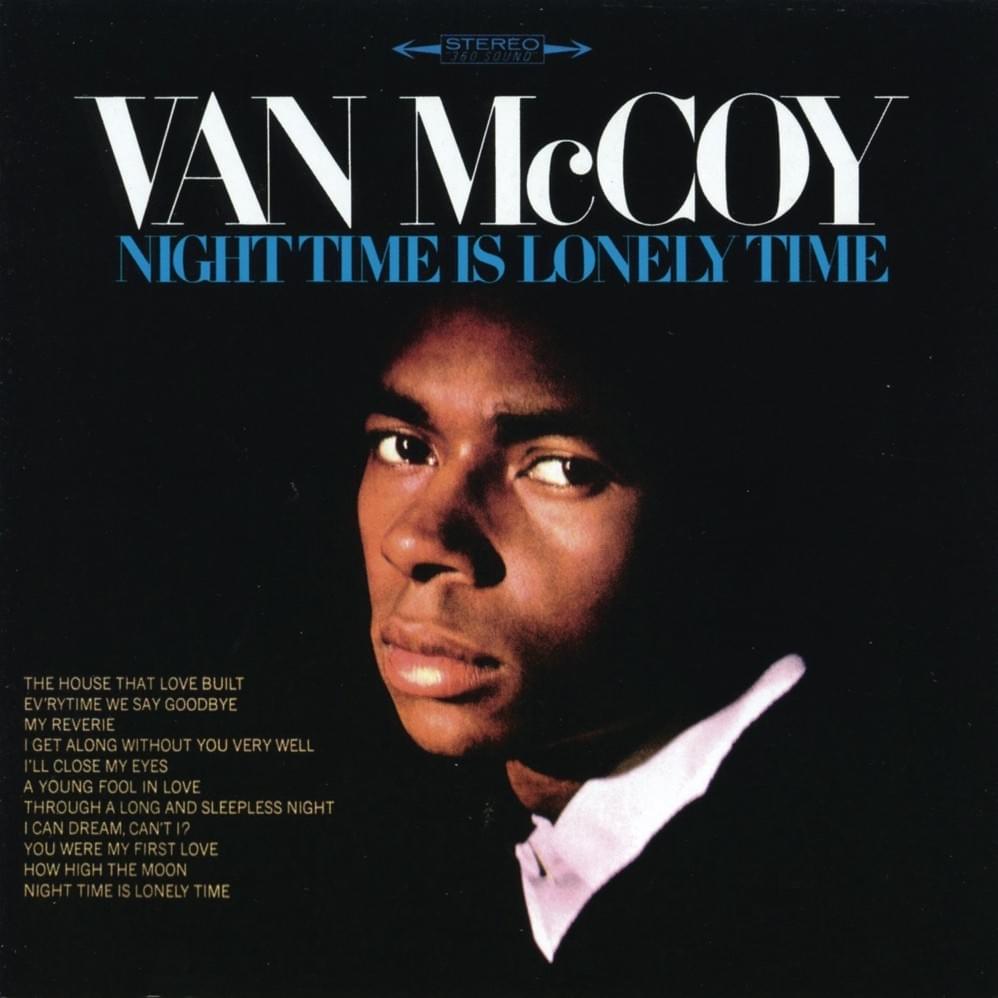
Van McCoy's "Ev'rytime We Say Goodbye" isn't just a farewell; it's a miniature emotional collapse meticulously rendered in song. The opening lines are stark: 'Every time we say goodbye, I die a little.' This isn't casual heartbreak; it’s a recurring diminishment, a fragmenting of the self triggered by separation. The speaker isn't wallowing in melodrama, but rather dissecting the profound impact this person has on their very being. There's an almost clinical detachment in the observation of their own suffering, as if studying the stages of grief in real-time. The plea directed at the 'gods above' introduces a layer of existential bewilderment. Why, the speaker wonders, would forces beyond comprehension inflict this pain?
The song then pivots, offering a glimpse into the intoxicating presence of the beloved. 'When you're near there's such an air of Spring about it' evokes a sensory rush – a world bursting with life and promise. The mention of a lark singing amplifies this idyllic vision, transforming a simple encounter into a scene of pastoral romance. However, this joy is fleeting, quickly giving way to the core theme of the song, the pain of parting.
The line 'But how strange the change from major to minor' is particularly insightful. It's a musical metaphor that encapsulates the abrupt shift in emotional tone. The major key representing joy and harmony, while the minor key signifies sadness and discord. McCoy isn't just lamenting a goodbye; he's highlighting the jarring contrast between presence and absence, the before and after. The repetition of 'Every time we say goodbye' reinforces the cyclical nature of this pain, suggesting a pattern of attachment and loss that defines the relationship. It’s a song about the acute awareness of how intertwined one's happiness has become with another person, and the devastating consequences of their departure.
 View Artist