Song Meaning
These lyrics paint a stark picture of disillusionment and powerlessness, framing the speakers as "bastard children of a nation whose dreams have died." The initial lines establish a profound sense of betrayal, where core beliefs have crumbled into "a lie." This feeling of being trapped is amplified by the perceived difficulty of change and the overwhelming pressure of "acceptance" as the dominant societal response. The narrator feels "powerless against their power," leading to a passive acceptance of a lack of agency, as if "we act like we don't have a choice."
The central conflict revolves around the manipulative use of fear and deception to maintain control. The phrase "Weapons of mass deception" directly names the tactic, with "Fear is the greatest weapon" explaining its efficacy. The lyrics suggest this fear is deliberately instilled "to maintain their control," because "the scared do what they're told." This creates a cycle where manufactured anxieties obscure genuine problems, allowing those in power to consolidate their authority while the populace remains distracted and compliant.
The most striking craft element is the recurring motif of "Control through fear." This repetition hammers home the core mechanism of oppression described. The imagery of "New witches for them to burn" and "smoke covers the bloodlust" evokes historical parallels of scapegoating and violence, suggesting a pattern of manufactured crises used to fuel societal aggression and distract from underlying issues. The contrast between this destructive cycle and the potential for a "phoenix rising from the ashes" hints at a desired, though not yet realized, form of liberation.
Ultimately, the effectiveness of these lyrics lies in their direct, almost raw articulation of societal manipulation and the resulting psychological impact. By naming "weapons of mass deception" and explicitly linking fear to control, the writing creates a sense of urgent, shared grievance. The simple, declarative statements about fear and control resonate because they tap into a palpable sense of unease and the feeling of being misled, making the call to recognize these tactics feel both necessary and potent.
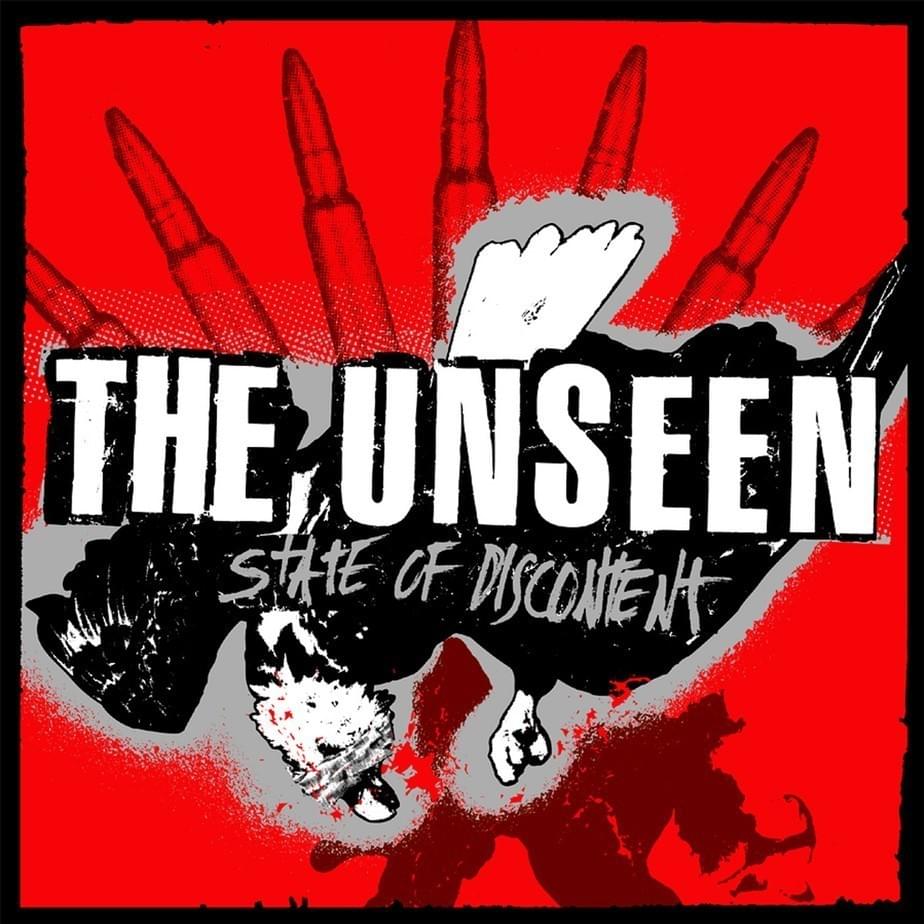
 View Artist